
Powder Coating
Paint, powder & polymer coatings · Spray applied
Powder coating electrostatically deposits dry thermoset powder on conductive parts and melts it into a continuous film.
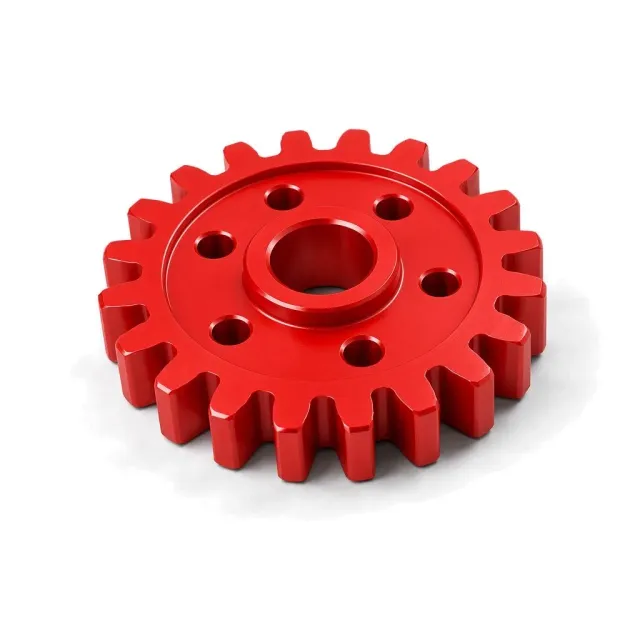
What is Powder coat?
It is widely specified for durable colored metal enclosures, frames, and architectural components.
How it works
Clean, pretreated metal is electrically grounded while charged powder is sprayed toward it. Electrostatic attraction holds powder on accessible surfaces, after which the part is baked until particles melt, flow, and chemically crosslink. A representative cure is 180–200 °C for 10–20 minutes at part metal temperature, but the powder data sheet controls. Field strength falls inside deep recesses, producing the Faraday-cage effect and thinner or incomplete coverage.
Why specify it
- Typical finished film is 50–150 µm
- No liquid solvent is needed for film formation
- Tough decorative coverage suits fabricated metal
- AAMA 2604 and AAMA 2605 define higher-performance architectural coating classes
Where it falls short
- Faraday-cage effects reduce coverage in deep recesses and tight corners
- Oven temperature excludes many plastics, adhesives, and assembled parts
- Thick film can bridge holes and bind threads
- Sharp edges often receive less film and lose corrosion protection first
Powder coat at a glance
Powder coat is strongest on corrosion protection (83 of 100) and cosmetic quality (85 of 100), at a standard cost. It adds little surface hardness.
Each score is 0–100 against every finish in this catalog. Corrosion comes from salt-spray life (ASTM B117, log scale) and hardness from the finish layer's Vickers or pencil hardness; cosmetic, lubricity and cost are FabDigit's engineering assessment. Economy on the radar is the inverse of cost.
Powder coat key numbers
Typical values from the governing specifications and shop practice; bars are this finish against the highest value among paint, powder & polymer coatings finishes.
- Thickness
- 50–80 µm for a thin decorative coat; 60–120 µm common; up to 150 µm for heavier protective coats.
- Hardness
- 2H–3H pencil hardness (ASTM D3363) — typical polyester / epoxy-polyester powder; specifications usually call for ≥ 2H
- Corrosion (salt spray)
- 500–1,000 h per ASTM B117 scribe creep ≤ 3 mm, 60–100 µm over phosphate or zirconium pretreatment on steel (typical) — Pretreatment decides the result; AAMA 2604 requires 3,000 h on aluminium.
- Electrical
- Insulating
- Colours
- RAL colors
- custom color
- clear
- Appearance
- Smooth, fine-texture, wrinkle, or hammertone; matte through high gloss.
Where Powder coat sits among all finishes
Surface hardness (Vickers, log scale) against corrosion protection (salt-spray hours, log scale) for every coating FabDigit offers, one cloud per finish group. Powder coat is highlighted; hover a dot for its name or open the full map.
Specifications for Powder coat
The documents a drawing cites to define this finish, with the Type / Class rows that apply. Each links to a page explaining the standard.
Drawing call-out
POWDER COAT, POLYESTER, RAL 7016 ANTHRACITE GREY, 60–100 µm DFT, 20–30 GU AT 60°; ASTM D3359 CLASS 4B MIN; MASK THREADS AND GROUND SYMBOL AREASWhich materials take Powder coat?
Verdict per material family, with the grades that behave differently. Each family links to its datasheets in the material library.
| Material family | Verdict | Notes |
|---|---|---|
| Yes | Pretreatment is essential for durable adhesion and corrosion resistance. | |
| Yes | Blast or phosphate pretreatment is commonly used. | |
| With care | Adhesion and tarnish bleed-through require a qualified primer system. | |
| With care | Tarnish and adhesion must be validated; pretreat immediately before coating. | |
| With care | Metal AM parts can be coated after powder removal and suitable pretreatment. | |
| With care | Requires a validated conversion pretreatment and prompt coating. | |
| With care | Surface profile and pretreatment must support adhesion. | |
| With care | Needs mechanical profile and a compatible pretreatment. | |
| With care | Outgassing and cure-temperature effects must be controlled. | |
| Limited | Layer lines and low-temperature polymers limit conventional oven-cured films. | |
| Limited | Porous nylon can be coated after blasting and sealing. | |
| Limited | Conventional electrostatic thermoset powder and oven cure are generally unsuitable. | |
| Limited | Fully post-cure first; many oven schedules exceed resin limits. | |
| Limited | Porous nylon can be coated after sealing; film build fills texture. |
How Powder coat is applied, and what it does to the part
- 1Clean and degrease
- 2Blast or chemically pretreat
- 3Dry
- 4Mask and rack
- 5Electrostatic spray
- 6Cure to powder data sheet
- 7Cool
- 8Inspect thickness, adhesion, color, and gloss
| Dimensions | A 50–150 µm coat is significant on both sides of slots, holes, threads, and mating interfaces; design clearance or mask. |
|---|---|
| Build-up per side | 50–150 µm — Each coated surface grows by approximately the measured dry-film thickness. |
| Masking | Usually needed. Use high-temperature plugs and tape on threads, bores, grounding pads, sealing lands, and precision fits. |
| Electrical | Insulating |
| Temperature limit | 150 °C (302 °F) continuous |
| Appearance | Smooth, fine-texture, wrinkle, or hammertone; matte through high gloss. |
| Added lead time | 3–7 working days on top of the bare part |
Design rules for Powder coat
What to decide on the drawing before the part goes to the finisher.
- Use generous drain and spray access in deep pockets.Electrostatic shielding causes the Faraday-cage effect.
- Round exposed edges where possible.Powder pulls away from sharp edges during flow and leaves reduced barrier thickness.
- State whether thickness is total or per coat.A primer-plus-topcoat duplex system can exceed a single 60–120 µm layer.
- Confirm the complete assembly survives the cure oven.Representative cure temperatures of 180–200 °C can damage inserts, seals, or adhesives.
Powder coat versus the alternatives
Finishes engineers weigh against Powder coat, and when each wins.
| Finish | Corrosion | Hardness | Cosmetic | Cost | Thickness | Choose it when |
|---|---|---|---|---|---|---|
Powder coat this page | 83 | 14 | 85 | $$ | 50–150 µm | — |
| 59 | 10 | 90 | $$ | 20–80 µm | when lower cure temperature or finer cosmetic repair is needed | |
| 83 | 15 | 55 | $$ | 15–35 µm | when recess coverage and uniform primer film are more important |
The radar overlays Powder coat with Wet Painting, its most common alternative — chosen when lower cure temperature or finer cosmetic repair is needed. Scores in the table are 0–100 across every finish in the catalog.
Cost, lead time and compliance
Relative cost
Powder Coating is a standard-cost finish ($$): cheaper than about 71 % of the finishes FabDigit quotes.
Finishing is priced per part with a lot minimum, from FabDigit's own China-side rates cross-checked against US job-shop pricing. The exact figure appears on the instant quote once the part is uploaded.
Lead time and compliance
| Added lead time | 3–7 working days |
|---|---|
| RoHS | Compliant |
| Notes | Confirm exact pigment and formulation; overspray can often be recovered, and the process avoids liquid coating solvent. |
What Powder coat is used for
- Industrial metal cabinets
- Outdoor equipment frames
- Bicycle frames
- Shelving
- Architectural aluminum
Powder coat — frequently asked
powder coating vs painting
Powder coat is commonly 50–150 µm, tough, and efficient for conductive metal. Wet paint works at lower temperature, supports easier field repair, and can be thinner, but often has lower impact and edge durability.
how thick is powder coat
A typical single coat is 50–150 µm dry-film thickness. Heavy texture, recoat, and primer-plus-topcoat systems can be thicker, so the drawing should state an acceptable range.
does powder coating work on aluminum
Yes. Aluminum should be cleaned and given a suitable pretreatment before coating; architectural work may specify AAMA 2604 or AAMA 2605 performance.
what is the Faraday cage effect in powder coating
Charged powder follows electric field lines and has difficulty entering deep recesses, tight channels, and inside corners. Those areas can remain thin even when open faces reach 50–150 µm.
does powder coating fill threads
Yes. A 50–150 µm film on each flank can make a thread unusable and can bridge small holes. Functional threads are normally plugged or masked before spraying.
Other paint, powder & polymer coatings finishes
 Anti-Fingerprint Oleophobic CoatingAnti-fingerprint oleophobic coating lowers surface energy so skin oils spread less, fingerprints appear lighter, and cleaning is easier.CorrosionHardnessCost$$$
 CerakoteCerakote is a trademarked ceramic-polymer thin-film coating supplied in product-specific air-cure and oven-cure series.CorrosionHardnessCost$$$
 Epoxy CoatingEpoxy coating is a crosslinked protective film valued for adhesion, chemical resistance, and barrier protection.CorrosionHardnessCost$$$
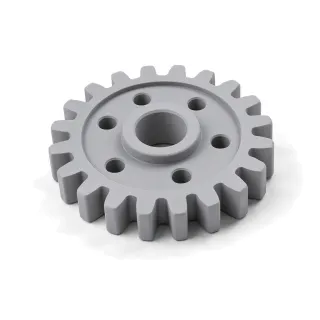 Primer CoatingPrimer coating is an intermediate film that promotes adhesion, seals porosity, levels minor defects, or improves corrosion protection before paint.CorrosionHardnessCost$$
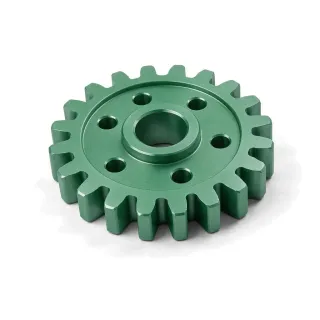 PTFE Dry-Film CoatingPTFE dry-film coating is a fluoropolymer-based low-friction, non-stick coating for metal components.CorrosionHardnessCost$$$
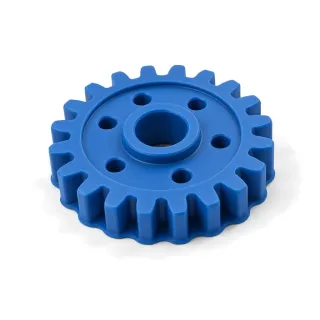 Rubberized Dip CoatingRubberized dip coating forms a thick flexible grip or protective skin on metal handles and similar parts.CorrosionHardnessCost$$
Compare every paint, powder & polymer coatings finish side by side →