
Online 3D Printing Service
Prototype fast.
Iterate faster.
Ship sooner.
Industrial 3D printing across six processes — resin, nylon, thermoplastic and metal. Process, material, finishing and inspection are confirmed with the quote.

Veteran program leads
Programs run by engineers who have shipped real parts at production scale.

Quote review
Every quote comes with engineer review and DFM notes — not just a price.

Inspection by requirement
The quote can define critical features, inspection method and required documentation against the drawing.

Direct engineer access
Email, call, or video — talk straight to the person running your job.
At a glance
- How parts are made
- US engineering front end (quoting, DFM review, program management, quality review) with a vetted ISO 9001 partner network in the US, Canada, Mexico and Asia; FABDIGIT INC. is the contracting party on every order
- Quoting
- Instant quote from CAD (STEP, SLDPRT, IGES, X_T; DXF for flat patterns) with an engineer DFM review on every quote
- Minimum order
- No minimum — single prototypes to 10,000+ parts
- Lead time
- Same-day SLA prototypes (upload before 11 am ET); MJF nylon production 2–3 working days; DMLS metal 5–7 days including heat treat; bulk runs 10–14 days
- Tolerance
- ±0.05 mm tightest (PolyJet, small parts); SLA / DMLS ±0.1 mm; SLS / MJF ±0.3 mm (≈0.2 % of nominal); FDM ±0.5 mm
- Build envelope
- Up to 1,000 × 500 × 500 mm; 0.2 mm minimum feature; layers 16–300 µm by process (PolyJet · SLA · DMLS · MJF · SLS · FDM)
- Materials
- SLA resins, PA12 / PA11 nylons (MJF, SLS), ABS / PC / ULTEM (FDM), aluminum / stainless / titanium / Inconel (DMLS) — 40+ engineering grades
- Certifications
- Production partners hold ISO 9001:2015 (verified at onboarding); AS9100 / IATF 16949 work placed only with partners certified to that standard; FABDIGIT INC. itself is not ISO-certified
- Quality documents
- A FabDigit engineer reviews DFM on every quote before it is released — not an automated flag list, and not only on request
- Ships to
- United States; international orders accepted (customer is importer of record, Terms §11.4)
Six processes. One for every prototype.
Resin for fidelity, nylon for production, metal for performance, FDM for budget — we run the right process for the part, not the only one we happen to own. Design rules per process are in the 3D printing design guide; how they compare on price is in the 3D printing cost guide. Compare process routes in 3D printing process selection and check the 3D printing material library before choosing a grade.
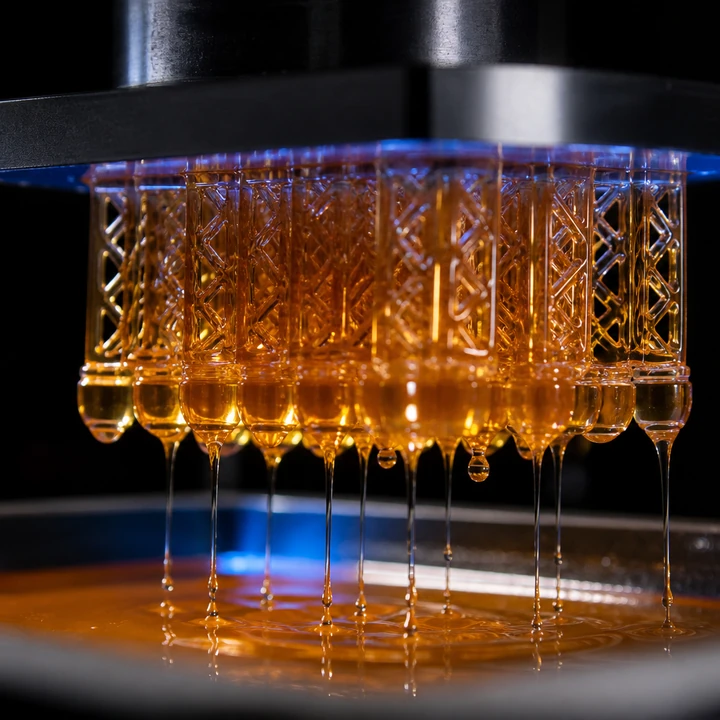
SLA (Stereolithography)
Smooth surface, fine detail. Best for visual prototypes and master patterns.
Detail-focused resin workflow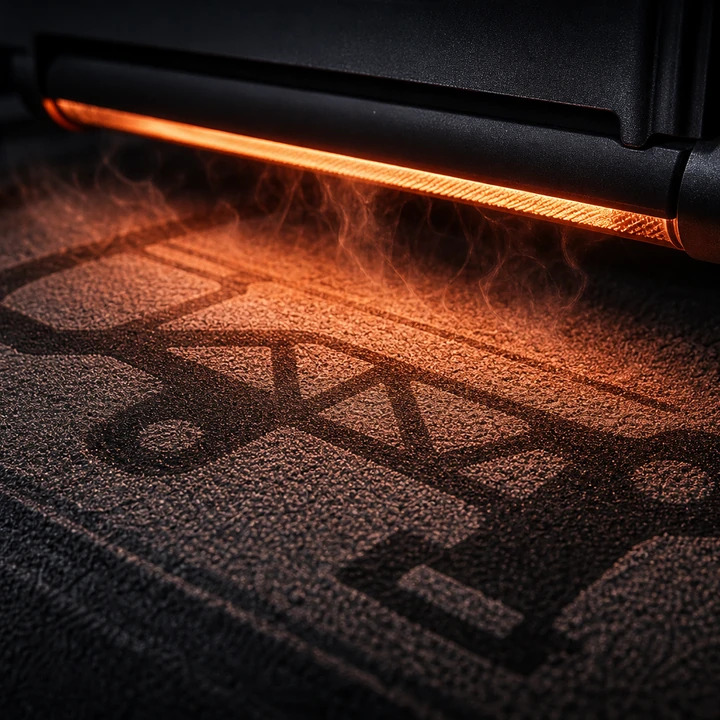
MJF (HP Multi-Jet Fusion)
Production-grade nylon in a powder-bed workflow. Specify surface state, orientation and finishing for the functional faces.
Nylon production workflow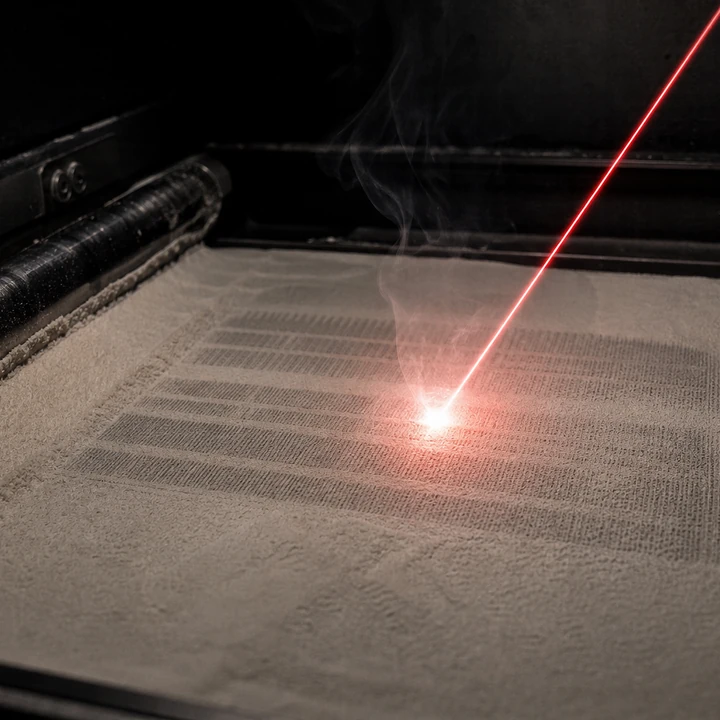
SLS (Selective Laser Sintering)
Functional nylon parts without supports — complex geometries print free.
Support-free nylon workflow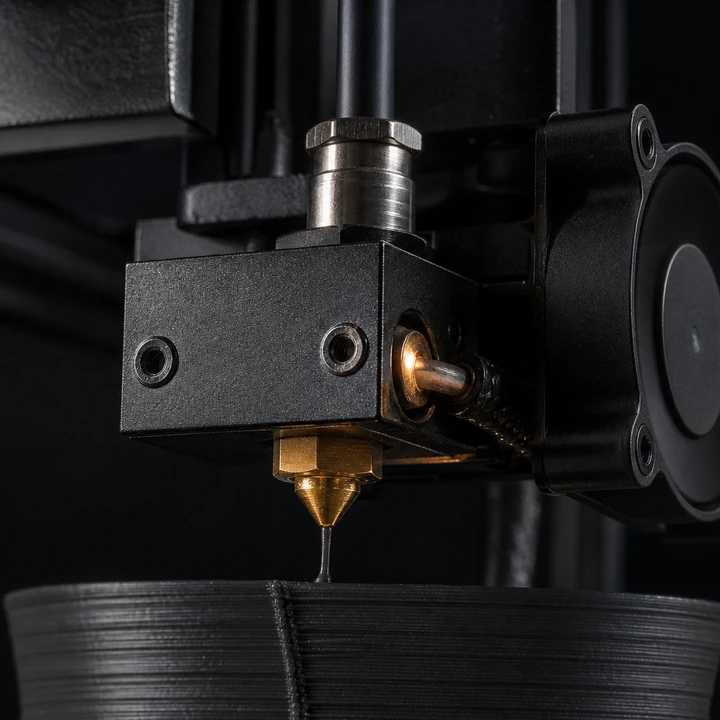
FDM (Fused Deposition)
Large, cheap, tough thermoplastic parts — ABS, PETG, ASA, Nylon, PEEK.
Thermoplastic extrusion workflow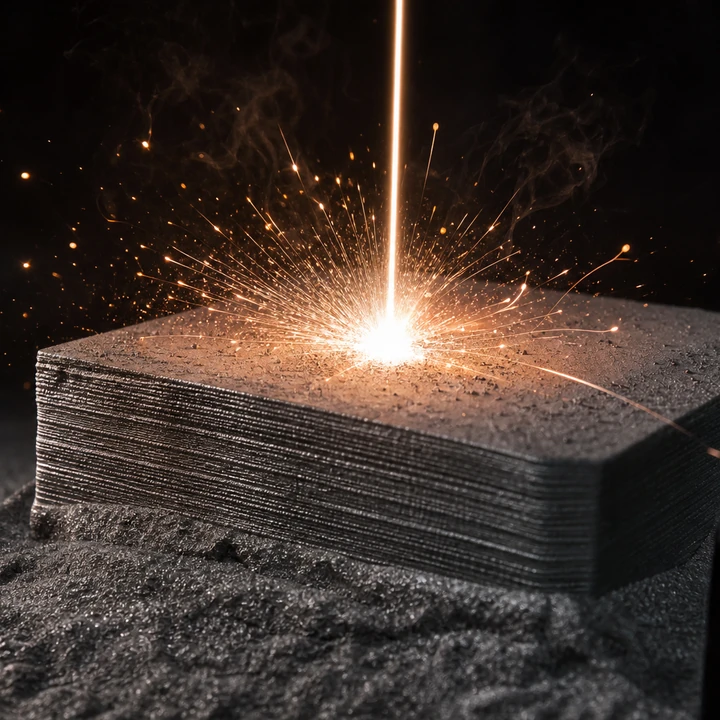
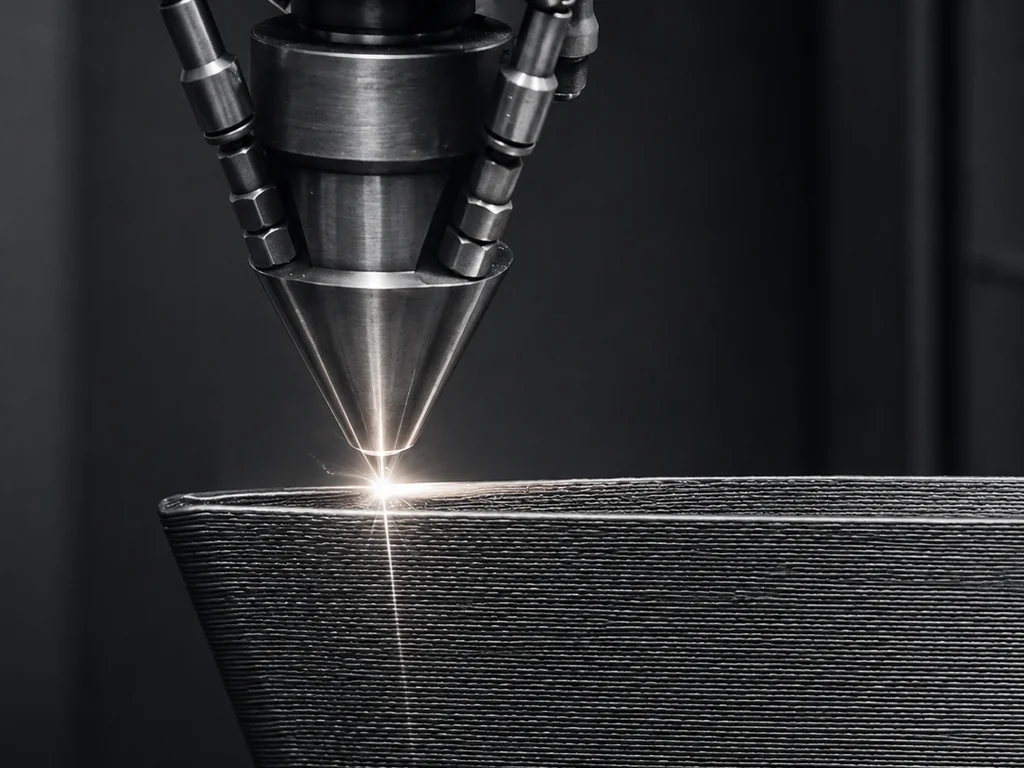
DMLS (Metal Laser Sintering)
Titanium, stainless, AlSi10Mg, Inconel. Dense metal parts from CAD.
Metal powder-bed workflow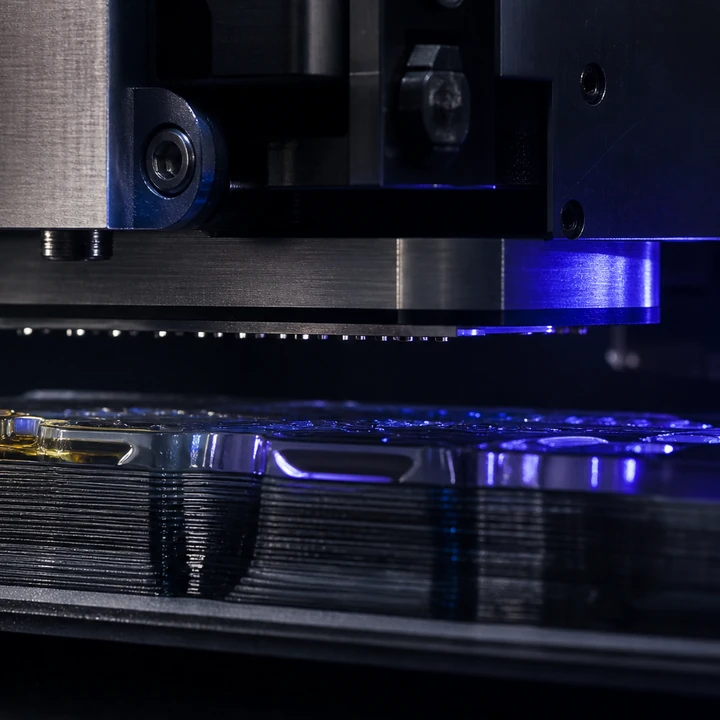
PolyJet
Multi-material, multi-colour, rigid + soft in one print. Visual models.
Multi-material resin workflowThe full envelope.
Max build envelope
Quoted by selected processA machine work volume is not automatically the maximum finished part. Geometry, orientation, splitting and post-processing are reviewed with the file.
Minimum feature
Quoted by feature and orientationWalls, holes, unsupported details and enclosed volumes depend on process, material grade, orientation and finishing.
Tightest tolerance
Specified per functional featureCritical fits need a process, material, final condition, datum and inspection method; general process figures do not apply to every geometry.
Surface finish
Defined in the delivered conditionAs-printed texture and any blasting, dyeing, smoothing, coating or machining must be selected for the material and functional faces.
Lead time
Timing confirmed in the quoteQueue, material, build volume, post-processing, inspection and delivery destination determine the schedule.
Inspection
Inspection plan by requirementState the critical features, accepted measurement method and documentation needed with the drawing or quote request.
Materials
40+ engineering gradesResins, nylons (PA11/12, glass-filled), 5 metal alloys, elastomers, high-temp plastics.
Which process fits your material?
The fastest way to pick a 3DP process is to start from what the part must be made of. Below: which families of materials each process can run, at a glance.
Layer height is one surface setting.
Layer height influences visible Z stepping, but it does not by itself define surface roughness or the delivered finish. Material, orientation, geometry and post-processing matter too. Below are example settings drawn to scale.
A curated showcase. Our library runs 40+ deep.
The cards below are our most-requested grades — kept loaded and calibrated for the selected workflow. Specialty resins, custom-pigmented dyes and material documentation are reviewed with the exact process and request.
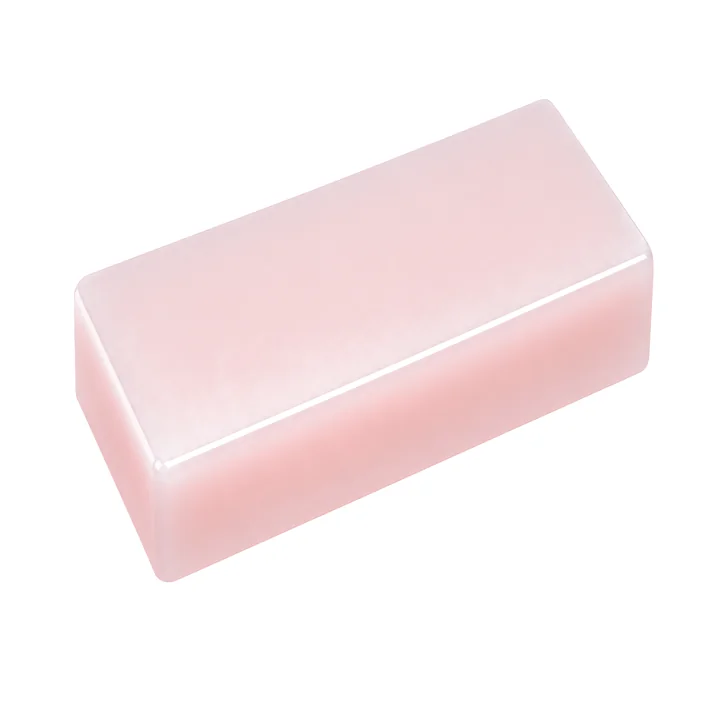
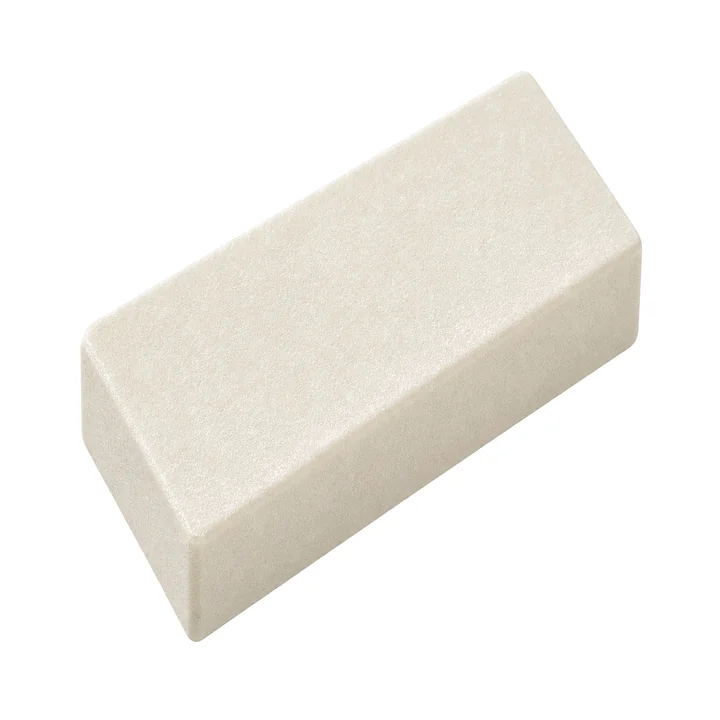
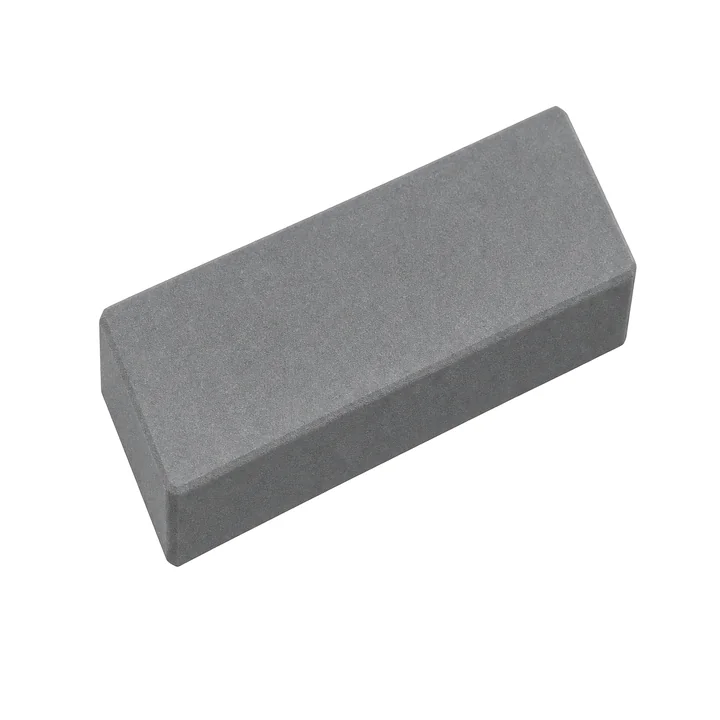
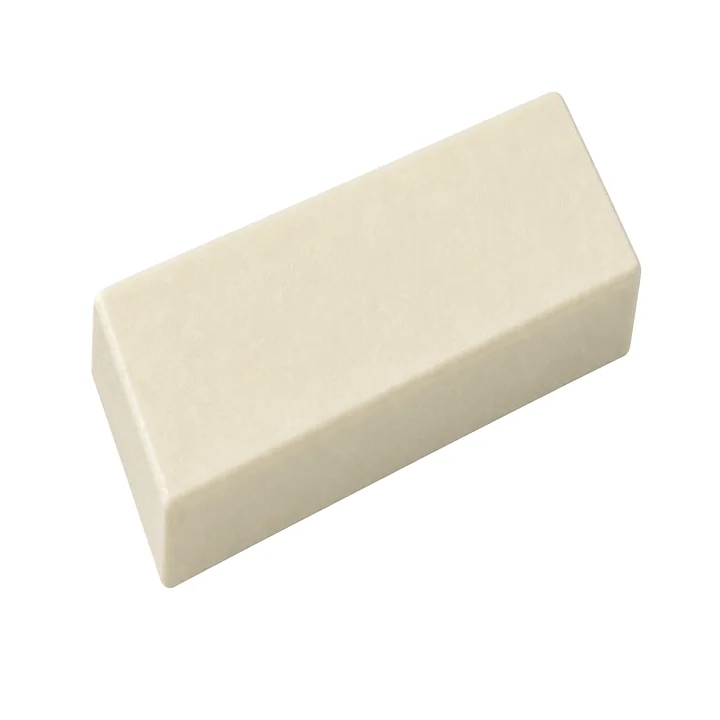
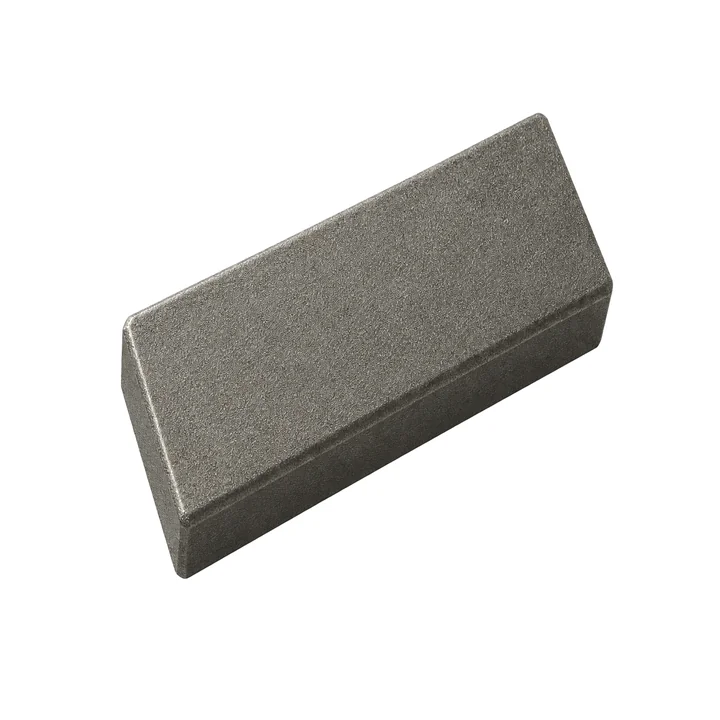
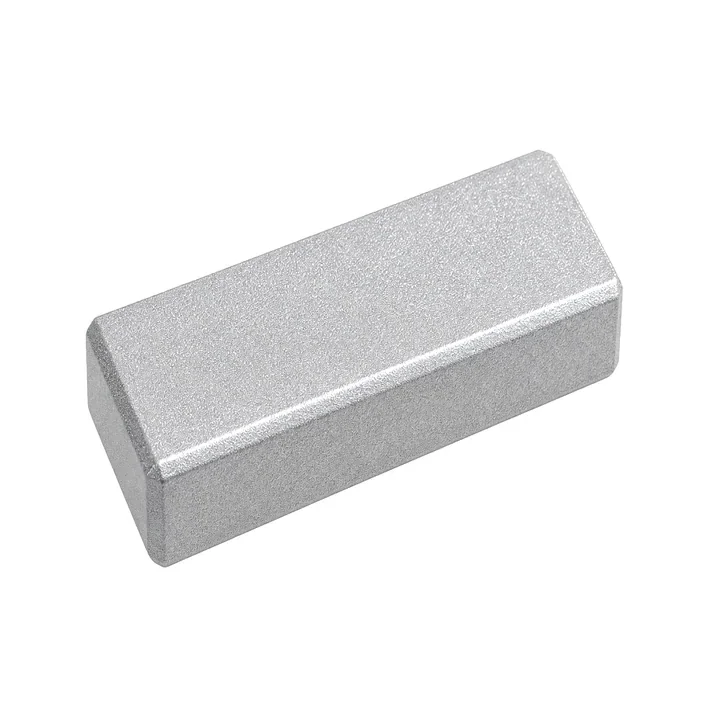
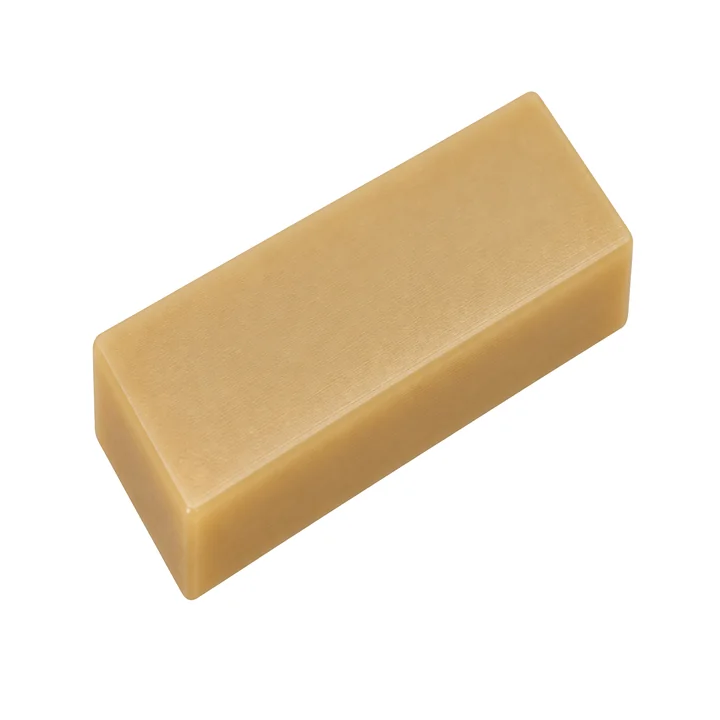
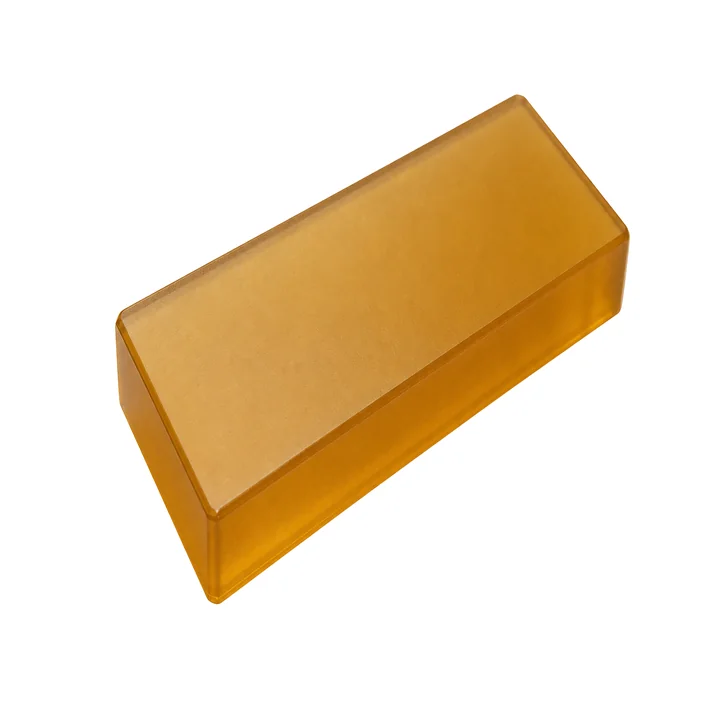
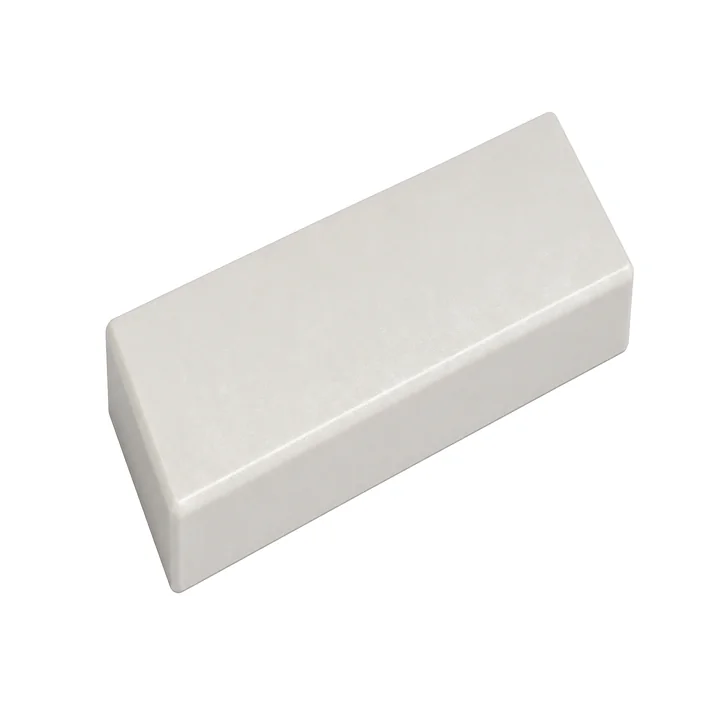
Need a material not shown above? Our library is 40+ deep across resins, nylons, metals, and specialty thermoplastics. Send a datasheet and we will load it.
Finished off the bed.
A showcase of our most-requested post-processing steps — eight of 25+ supported across smoothing, colouring, plating, and assembly. Parts ship complete, no DIY required.
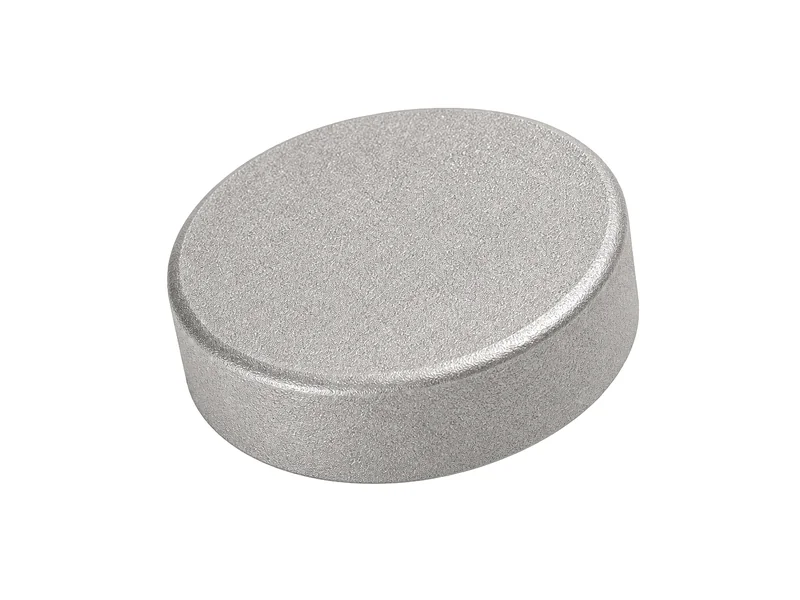
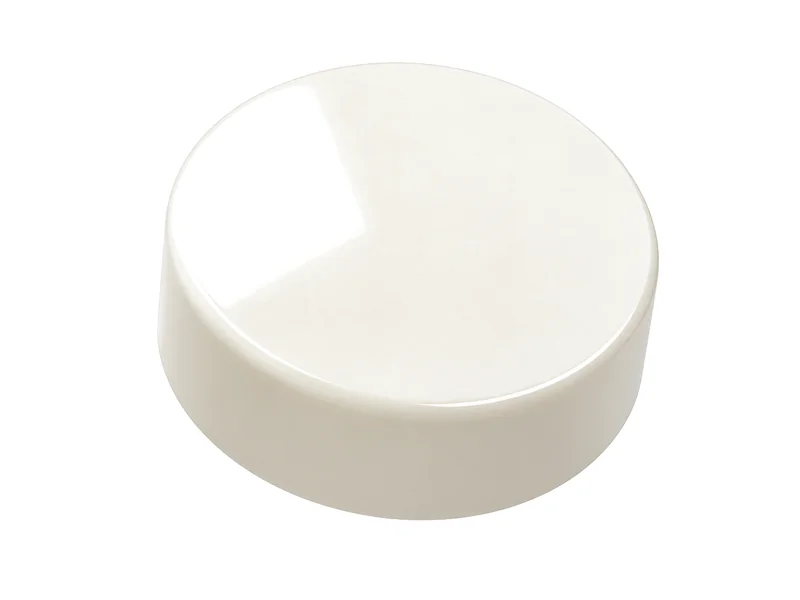
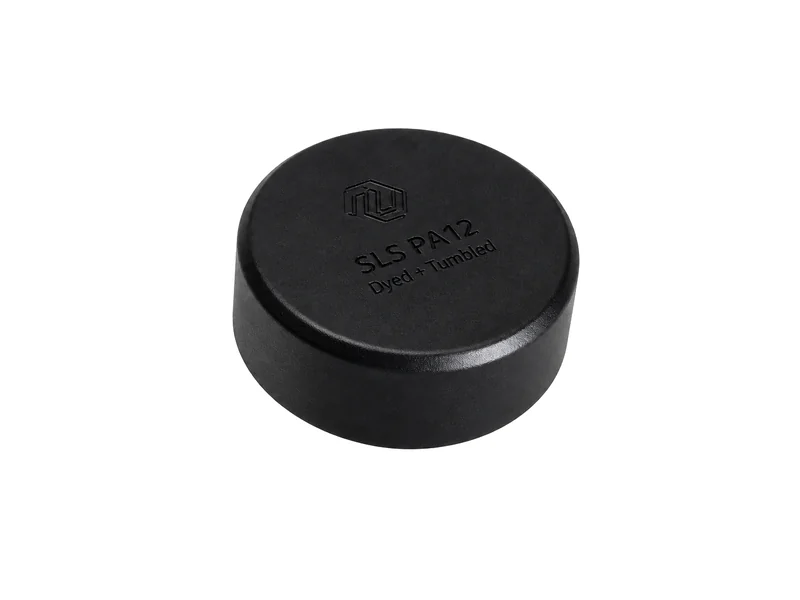
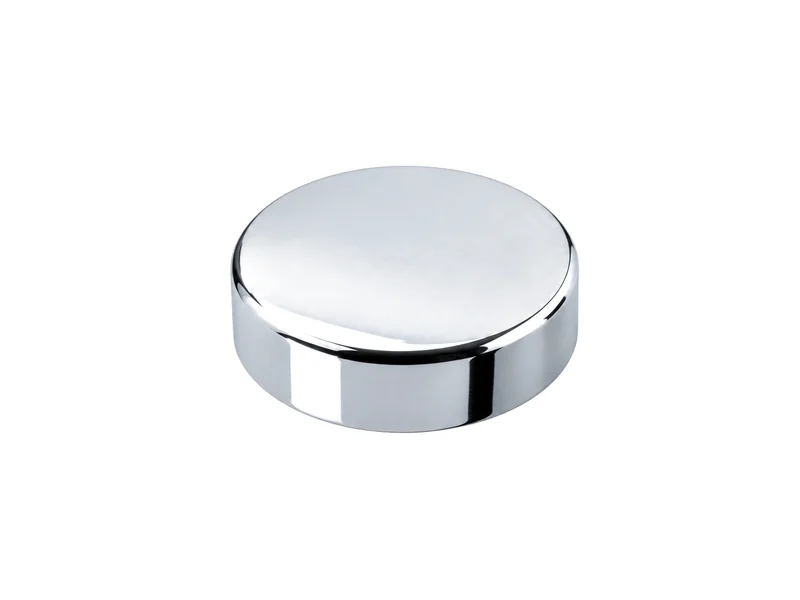
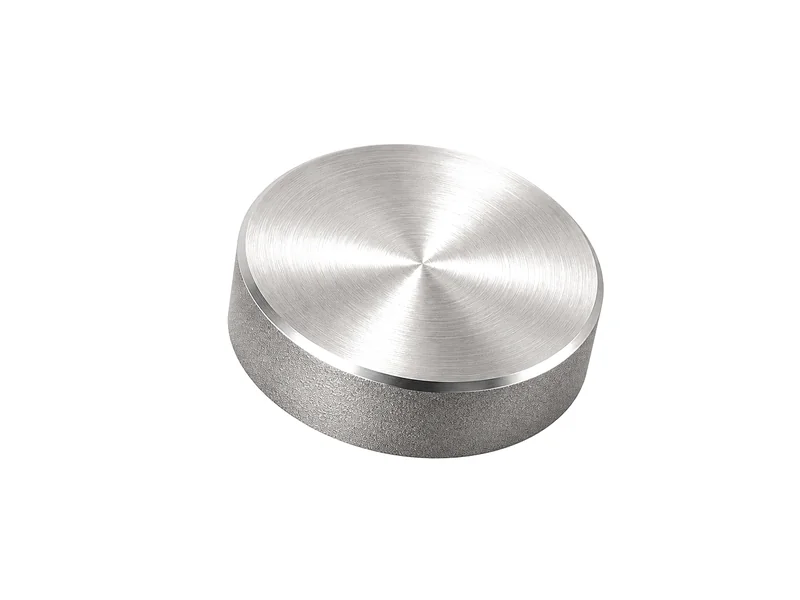
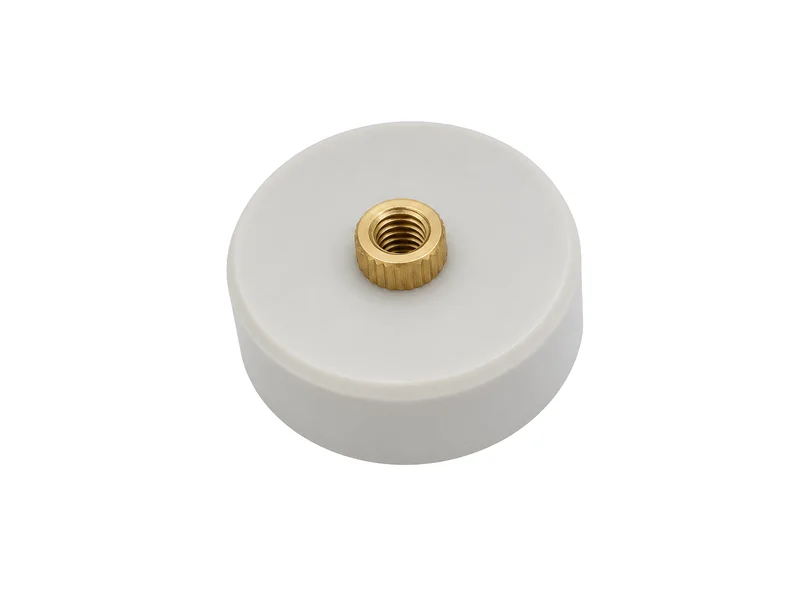
Cleaning, curing and metal thermal processing depend on the selected material and workflow. Dye, smoothing, paint, coating and inserts are specified separately; confirm compatible material, visible faces and delivered dimensions in the quote.
Capabilities
85 grades priced instantly.
Every grade below has a datasheet — composition, mechanical and thermal properties, machinability, compatible finishes — and a price in the configurator. Families first, most-quoted grades in each. All 85 grades for 3D printing →
Polymer63
- ABSTough general purpose
- PCImpact resistant
- PEEKUltra-performance plastic
- TPUTough flexible elastic
- PETGVersatile tough plastic
Aluminum6
- 7A77Aerospace 7000-series LPBF
- ScalmalloyHigh-strength LPBF aluminum
- AlSi10MgStandard LPBF aluminum casting
- AlSi12Eutectic Al-Si AM powder
- AlSi7MgCastable LPBF aluminum alloy
Nickel Alloy3
- Inconel 718Workhorse aerospace superalloy
- Inconel 625Marine corrosion superalloy
- Hastelloy XHot-section combustor alloy
Steel3
- Maraging 250Premium aerospace maraging bar
- Maraging 300Premium aerospace maraging bar
- H13Standard hot-work tool
30 finishes, each with its datasheet.
Thickness, hardness, salt-spray life, the governing specification, the drawing call-out and which material families take it — one page per finish, and an A-vs-B comparison for the pairs engineers weigh against each other. All surface finishes →
Anodizing, conversion & passivation7
- Anodizing Type II$$
- Electropolishing$$$
- Stainless Steel Passivation$
- Stainless Steel Pickling$
- Citric Acid Passivation$
- Plasma Electrolytic Oxidation$$$$
Paint, powder & polymer coatings8
- Conductive Coating$$$
- EMI Shielding Coating$$$$
- Hydrophobic Nano-Coating$$
- Primer Coating$$
- Soft-Touch Coating$$$
- UV-Cured Coating$$
Design rules for 3D printing live in the engineering guides; the instant quote prices any grade-and-finish combination above on upload.
CAD to door, in four steps.
Engineering review connects the file, selected route, finishing and inspection plan so the delivered requirement is clear before release.
Upload your CAD
STEP, STL, 3MF, SLDPRT, OBJ, or 3D PDF. Drop it on the page or email us.
Review the quote
An engineer reviews wall thickness, support strategy, and material fit.
We print it
Build the part with the selected route, then apply the agreed cleaning, finishing and inspection plan.
Door delivery
Release the part to the agreed finish, inspection and delivery plan.
What is always included
- DFM review with every quote
- Inspection plan aligned to drawing requirements
- Material certifications on request (metals)
- NDA before file upload — on request
- Production from 1 to 10,000+ parts
- Support removal + standard cleaning included
- Multiple processes quoted in parallel
- Direct engineer access — email, call, or video
CAD to delivery, planned around the part.
The workflow below shows the decision sequence, not a promised schedule. Timing depends on the chosen route, queue, build volume, finishing, inspection and delivery destination.
Quote
Scope the requirementDFM review
Confirm the routePrint build
Schedule by processPost-process
Finish to specificationInspect + ship
Release to agreed planUpload CAD and a required delivery date for a process-specific plan. Critical dimensions, finish and documentation requirements can change the selected route and schedule.
Answers, on the record.
Engineers wrote these. If yours is not here, emailengineering@fabdigit.com for a discussion of the part requirements.
STL is the universal 3DP exchange format; we also accept STEP, 3MF, SOLIDWORKS (.sldprt), OBJ, and IGES.
For colour PolyJet jobs send 3MF or OBJ + texture map. For SLA dental or jewellery work we accept the raw mesh export from your CAD package.
Availability is confirmed after the file, material, build volume, finishing, inspection and delivery destination are reviewed. Ask for the required delivery date with the CAD; the quote will state the process-specific schedule and any trade-offs.
Accuracy is process-, material-, orientation-, geometry- and post-process-dependent. Identify the functional features, datums, delivered condition and measurement method in the drawing; the selected route can then be reviewed against those requirements. Do not use a general process figure as a guarantee for every part.
Yes — every additive process leaves some Z-stepping. SLA at 25 µm is the smoothest as-printed (lines barely visible at arms-length); MJF at 80 µm is matte but felt by fingernail. Vapour-smoothing brings MJF / SLS to glass-smooth; hand-sand + paint hides every line on visual prototypes.
Some manufacturer material products have specific biocompatibility or testing documentation for defined workflows. That documentation does not certify a finished part, medical device or implant. Medical or implant suitability requires the exact material, process, post-processing, validation, documentation chain and applicable regulatory review to be assessed for the intended use.
Yes — DMLS in Ti-6Al-4V, SS 316L, AlSi10Mg, Inconel 718, and CoCr. Standard post-processing includes stress-relief anneal, support removal, surface bead-blast, and dimensional inspection. Optical HIP and machining of critical features are available on request.
1,000 × 500 × 500 mm on our largest FDM platform. SLA and MJF cap at ~500 mm in one axis. Larger parts are split into sub-prints and bonded — we recommend sectioning the CAD before quoting so the split lines land on a non-cosmetic surface.
No. We quote single prototypes the same way we quote 5,000-piece MJF nylon runs — the price-per-piece just changes.
Colour options depend on the selected material and workflow. PolyJet colour, dyeing of compatible nylon and paint are distinct routes; an as-printed material colour does not guarantee a dye or paint match. State the target, visible faces, finish and any approved sample in the quote request.
Every quote includes a free DFM review. The engineer flags thin walls, unsupported overhangs, trapped resin pockets, and undersized holes before quoting, and suggests changes that reduce cost or improve print success rate.
Upload your CAD. Plan the finished part.
Include the material, quantity, finish and critical dimensions. Review the manufacturing route and delivery schedule with your quote.