
Anti-Fingerprint Oleophobic Coating
Paint, powder & polymer coatings · Spray applied
Anti-fingerprint oleophobic coating lowers surface energy so skin oils spread less, fingerprints appear lighter, and cleaning is easier.
Reference page — Oleophobic coat is not in the instant-quote configurator. Upload the part, name the finish in the notes, and an engineer quotes it with the part.
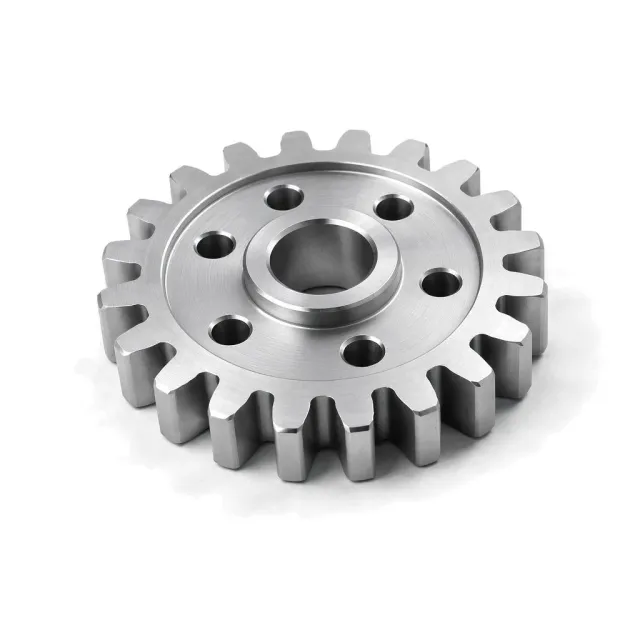
What is Oleophobic coat?
It is used on touch surfaces, decorative metal, glass, and compatible hard-coated plastics.
How it works
A fluorinated, silane, silicone, or hybrid chemistry is applied by spray, wipe, dip, or vacuum route to a very clean activated surface. Reactive groups bond to the substrate or an intermediate hardcoat while low-surface-energy groups orient outward. The treatment changes oil and water wetting rather than filling scratches. Abrasion, detergent, ultraviolet exposure, and repeated skin contact remove or contaminate the active surface, so initial contact angle alone is not a durability qualification.
Why specify it
- Reduces visible fingerprint contrast
- Makes skin oil easier to wipe away
- Usually causes minimal dimensional change
- Can preserve the underlying metal or glass appearance
Where it falls short
- High-touch abrasion gradually removes performance
- Low surface energy interferes with adhesive bonding and repainting
- Does not hide scratches or surface waviness
- Chemistry and durability vary widely across marketed products
Oleophobic coat at a glance
Oleophobic coat is a middle-of-the-range finish; its best score is cosmetic quality (65 of 100), at a premium cost. It adds little corrosion protection. Surface hardness is not rated: the finish leaves the part's own surface.
Each score is 0–100 against every finish in this catalog. Corrosion comes from salt-spray life (ASTM B117, log scale) and hardness from the finish layer's Vickers or pencil hardness; cosmetic, lubricity and cost are FabDigit's engineering assessment. Economy on the radar is the inverse of cost.
Oleophobic coat key numbers
Typical values from the governing specifications and shop practice; bars are this finish against the highest value among paint, powder & polymer coatings finishes.
- Thickness
- Silane monolayers are tens of nanometres; hybrid wet systems may reach 1–2 µm.
- Electrical
- Unchanged
- Colours
- clear
- Appearance
- Usually invisible or nearly invisible; may slightly change gloss or reflectance on brushed metal.
Specifications for Oleophobic coat
The documents a drawing cites to define this finish, with the Type / Class rows that apply. Each links to a page explaining the standard.
Drawing call-out
APPLY CLEAR OLEOPHOBIC ANTI-FINGERPRINT COATING TO INDICATED COSMETIC SURFACES; MATCH APPROVED GLOSS MASTER; VERIFY OIL-REPELLENCY AFTER QUALIFIED ABRASION CYCLE; MASK BOND AND CONTACT AREASWhich materials take Oleophobic coat?
Verdict per material family, with the grades that behave differently. Each family links to its datasheets in the material library.
| Material family | Verdict | Notes |
|---|---|---|
| Yes | Often applied over anodize or another stable surface. | |
| Yes | Silane-based systems commonly bond to activated glass. | |
| Yes | Common decorative touch substrate after final finishing. | |
| Yes | Common on finished titanium consumer and medical housings. | |
| With care | Tarnish and adhesion must be validated. | |
| With care | Tarnish behavior and adhesion must be validated. | |
| With care | Only after the metal AM surface is finished to a cosmetic standard. | |
| With care | Often requires a compatible hardcoat or activation. | |
| With care | Possible on fully cured, sealed cosmetic faces. | |
| With care | Needs a stable, clean cosmetic surface; rust undercuts the film. | |
| Limited | Poor cosmetics and layer lines limit the benefit. | |
| Limited | Only over a stable conversion or paint base. | |
| Limited | Porous nylon holds oil and dirt; seal first. | |
| Limited | Porous nylon holds oil and dirt; seal first. | |
| Limited | Only over a stable plated or painted surface. |
How Oleophobic coat is applied, and what it does to the part
- 1Final clean
- 2Activate if required
- 3Mask
- 4Apply named chemistry
- 5Flash or react
- 6Cure
- 7Condition
- 8Test oil repellency and durability
| Dimensions | Treat buildup as negligible only after selecting the exact coating; functional risk is surface-energy change rather than geometry. |
|---|---|
| Build-up per side | 0–2 µm — Usually dimensionally negligible; confirm if a thicker hybrid film is selected. |
| Masking | Usually needed. Mask adhesive bonds, paint zones, electrical contacts, optical calibration zones, and wettable fluid interfaces. |
| Electrical | Unchanged |
| Appearance | Usually invisible or nearly invisible; may slightly change gloss or reflectance on brushed metal. |
| Added lead time | 3–7 working days on top of the bare part |
Design rules for Oleophobic coat
What to decide on the drawing before the part goes to the finisher.
- Apply after all bonding and printing where possible.Oleophobic chemistry prevents later wetting and adhesion.
- Specify an abrasion-and-cleaning retention test.Initial repellency can disappear quickly in service.
- Approve appearance on the actual brushed or polished substrate.A nearly clear film can still alter gloss and fingerprint contrast.
- Keep the chemistry off intended electrical contacts.An invisible organic layer can increase contact resistance.
Oleophobic coat versus the alternatives
Finishes engineers weigh against Oleophobic coat, and when each wins.
| Finish | Corrosion | Hardness | Cosmetic | Cost | Thickness | Choose it when |
|---|---|---|---|---|---|---|
Oleophobic coat this page | 10 | — | 65 | $$$ | 0.01–2 µm | — |
| 25 | — | 20 | $$ | — | when water repellency rather than fingerprint appearance is primary | |
| 20 | 12 | 85 | $$ | 15–50 µm | when a measurable protective film is required |
The radar overlays Oleophobic coat with Hydrophobic Nano-Coating, its most common alternative — chosen when water repellency rather than fingerprint appearance is primary. Scores in the table are 0–100 across every finish in the catalog.
Cost, lead time and compliance
Relative cost
Anti-Fingerprint Oleophobic Coating is a premium-cost finish ($$$): more expensive than about 51 % of the finishes FabDigit quotes.
Finishing is priced per part with a lot minimum, from FabDigit's own China-side rates. The exact figure appears on the instant quote once the part is uploaded.
Lead time and compliance
| Added lead time | 3–7 working days |
|---|---|
| RoHS | Compliant |
| Notes | Confirm exact fluorinated or silicone chemistry and any applicable substance restrictions beyond RoHS. |
What Oleophobic coat is used for
- Touch panels
- Brushed appliance trim
- Consumer electronics housings
- Decorative stainless panels
- Glass covers
Oleophobic coat — frequently asked
what is anti fingerprint coating
It is a low-surface-energy treatment that reduces oil wetting and makes fingerprints less visible and easier to clean. It does not prevent skin oil from reaching the surface.
how long does oleophobic coating last
Life varies with chemistry, abrasion, detergent, ultraviolet exposure, and touch frequency. Require performance after a defined abrasion and cleaning cycle rather than an unsupported time claim.
can oleophobic coating be applied to stainless steel
Yes, compatible products are used on decorative stainless and other metals. Final cleaning, activation, gloss change, and wear durability must be qualified on the actual finish.
does anti fingerprint coating change dimensions
Many systems are monolayer-scale or otherwise extremely thin, so dimensional change is usually negligible. The exact product still needs review because hybrid films can be thicker.
can adhesive bond to oleophobic coating
Usually not reliably. The coating is designed to reduce wetting, which also reduces adhesive contact, so bond areas should be masked or treated before coating.
Other paint, powder & polymer coatings finishes
 CerakoteCerakote is a trademarked ceramic-polymer thin-film coating supplied in product-specific air-cure and oven-cure series.CorrosionHardnessCost$$$
 Electrophoretic CoatingE-coating deposits a waterborne organic film on an electrically conductive part by electrophoresis.CorrosionHardnessCost$$
 Epoxy CoatingEpoxy coating is a crosslinked protective film valued for adhesion, chemical resistance, and barrier protection.CorrosionHardnessCost$$$
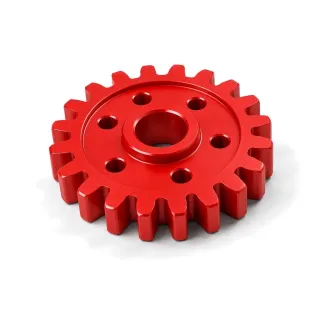 Powder CoatingPowder coating electrostatically deposits dry thermoset powder on conductive parts and melts it into a continuous film.CorrosionHardnessCost$$
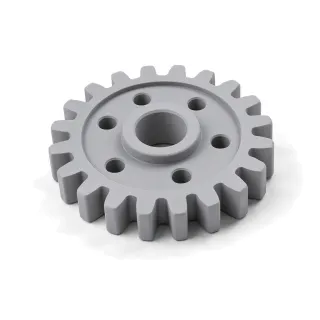 Primer CoatingPrimer coating is an intermediate film that promotes adhesion, seals porosity, levels minor defects, or improves corrosion protection before paint.CorrosionHardnessCost$$
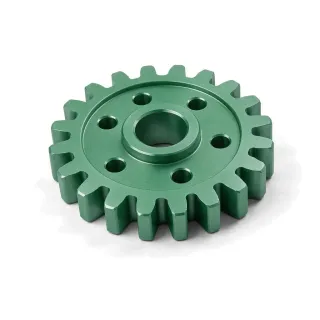 PTFE Dry-Film CoatingPTFE dry-film coating is a fluoropolymer-based low-friction, non-stick coating for metal components.CorrosionHardnessCost$$$
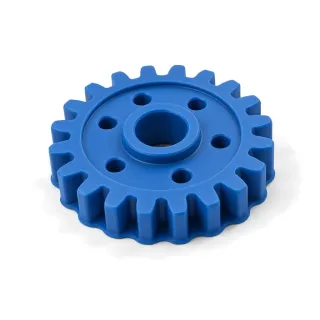 Rubberized Dip CoatingRubberized dip coating forms a thick flexible grip or protective skin on metal handles and similar parts.CorrosionHardnessCost$$
 Wet PaintingWet painting atomizes a liquid resin, pigment, and solvent or water system onto prepared metal or plastic.CorrosionHardnessCost$$
Compare every paint, powder & polymer coatings finish side by side →