
Chrome Plating on Plastic
Plating & metallizing on plastics · Electrolytic bath
Plastic chrome is a Cu-Ni-Cr decorative plating stack on plating-grade ABS or PC-ABS.
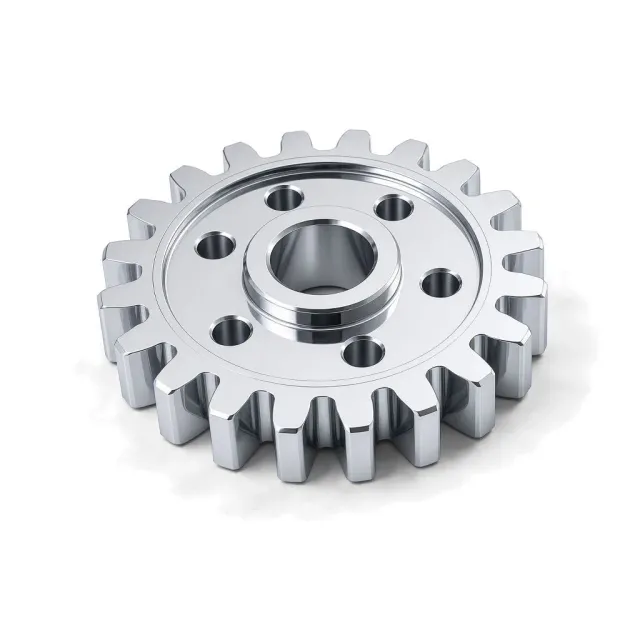
What is Plastic chrome?
Chemical etching and electroless metallization make the polymer conductive before electrolytic copper, nickel, and chromium build a 20–50 µm finish.
How it works
The moulded part is cleaned and chemically etched, traditionally exposing rubber domains in plating-grade ABS. Catalytic activation starts an electroless copper or nickel layer, making the surface conductive. Electrolytic copper levels the surface, nickel supplies most corrosion and appearance performance, and a thin chromium top layer provides colour and tarnish resistance. Geometry must drain and carry current uniformly.
Why specify it
- True Cu-Ni-Cr metallic appearance
- 20–50 µm durable stack
- Better handling durability than evaporated metal
- Premium automotive and sanitary finish
Where it falls short
- Restricted to plating-grade polymers
- Environmental controls for etch and chromium chemistry
- Racking marks and current-density variation
- Thick stack changes fits
Plastic chrome at a glance
Plastic chrome is strongest on corrosion protection (72 of 100), surface hardness (71 of 100) and cosmetic quality (98 of 100), at a high cost.
Each score is 0–100 against every finish in this catalog. Corrosion comes from salt-spray life (ASTM B117, log scale) and hardness from the finish layer's Vickers or pencil hardness; cosmetic, lubricity and cost are FabDigit's engineering assessment. Economy on the radar is the inverse of cost.
Plastic chrome key numbers
Typical values from the governing specifications and shop practice; bars are this finish against the highest value among plating & metallizing on plastics finishes.
- Thickness
- 20–40 µm total Cu-Ni-Cr stack
- Hardness
- 700–1,000 HV — Thin chromium top layer; system durability also depends on nickel and polymer support.
- Electrical
- Conductive
- Colours
- bright chrome
- satin chrome
- dark chrome
- Appearance
- Bright mirror or satin metallic chrome according to mould finish and nickel layer.
Where Plastic chrome sits among all finishes
Surface hardness (Vickers, log scale) against corrosion protection (salt-spray hours, log scale) for every coating FabDigit offers, one cloud per finish group. Plastic chrome is highlighted; hover a dot for its name or open the full map.
Specifications for Plastic chrome
The documents a drawing cites to define this finish, with the Type / Class rows that apply. Each links to a page explaining the standard.
Drawing call-out
PLATE VISIBLE SURFACES OF PLATING-GRADE ABS WITH Cu-Ni-Cr, 25–40 µm TOTAL THICKNESS, BRIGHT CHROME; MASK SNAP FITS AND ULTRASONIC-WELD JOINTS; RACK MARKS PERMITTED ON HIDDEN B-SURFACEWhich materials take Plastic chrome?
Verdict per material family, with the grades that behave differently. Each family links to its datasheets in the material library.
| Material family | Verdict | Notes |
|---|---|---|
| Yes | Use plating-grade ABS or a qualified PC-ABS.
| |
| Limited | Printed porosity and layer adhesion require specialist filling; not a drop-in for moulded ABS. | |
| No | This process is specified for polymers, not bulk aluminum. | |
| No | This process is specified for polymers, not brass. | |
| No | This process is specified for polymers, not copper alloys. | |
| No | Metal AM uses conventional metal plating, not plastic chrome. | |
| No | This process is specified for polymers, not magnesium. | |
| No | Porous nylon does not take a production Cu-Ni-Cr etch line. | |
| No | Standard ABS etch-and-plate lines do not accept ordinary SLA photopolymer; use vacuum metallization instead. | |
| No | Porous nylon does not take a production Cu-Ni-Cr etch line. | |
| No | This process is specified for polymers, not stainless steel. | |
| No | This process is specified for polymers, not steel. | |
| No | This process is specified for polymers, not titanium. | |
| No | This process is specified for polymers, not zinc alloys. |
How Plastic chrome is applied, and what it does to the part
- 1Mould plating-grade ABS or PC-ABS
- 2Clean and etch
- 3Activate
- 4Electroless Ni or Cu
- 5Electrolytic Cu
- 6Nickel plate
- 7Chromium plate
- 8Inspect
| Dimensions | A 20–50 µm stack per side can close snaps and gaps; mould dimensions and assembly clearances must include plating. |
|---|---|
| Build-up per side | 20–50 µm — Allow the total stack on every plated side. |
| Masking | Usually needed. Mask snap fits, weld joints, threads, contacts, and rack-sensitive cosmetic zones. |
| Electrical | Conductive |
| Temperature limit | 90 °C (194 °F) continuous |
| Appearance | Bright mirror or satin metallic chrome according to mould finish and nickel layer. |
| Added lead time | 10–20 working days on top of the bare part |
Design rules for Plastic chrome
What to decide on the drawing before the part goes to the finisher.
- Specify plating-grade ABS or PC-ABS.Ordinary resin may not etch and adhere consistently.
- Avoid deep blind recesses.Etching, rinsing, and current distribution become uneven.
- Provide a hidden rack location.Electrical contact leaves a visible mark.
- Add 20–50 µm per plated side to fit analysis.This stack is dimensionally significant.
Plastic chrome versus the alternatives
Finishes engineers weigh against Plastic chrome, and when each wins.
| Finish | Corrosion | Hardness | Cosmetic | Cost | Thickness | Choose it when |
|---|---|---|---|---|---|---|
Plastic chrome this page | 72 | 71 | 98 | $$$$ | 20–50 µm | — |
| 45 | — | 94 | $$$$ | 0.05–1 µm | lower mass and cost matter more than thick metallic durability | |
| 58 | 39 | 60 | $$$$ | 5–15 µm | conductivity rather than chrome appearance is primary |
The radar overlays Plastic chrome with Vacuum Metallization, its most common alternative — chosen lower mass and cost matter more than thick metallic durability. Scores in the table are 0–100 across every finish in the catalog.
Cost, lead time and compliance
Relative cost
Chrome Plating on Plastic is a high-cost finish ($$$$): more expensive than about 86 % of the finishes FabDigit quotes.
Finishing is priced per part with a lot minimum, from FabDigit's own China-side rates. The exact figure appears on the instant quote once the part is uploaded.
Lead time and compliance
| Added lead time | 10–20 working days |
|---|---|
| RoHS | Compliant |
| Notes | RoHS-compliant final systems are available; etching and chromium chemistry require tightly controlled wastewater and worker exposure. |
What Plastic chrome is used for
- Automotive grilles
- Faucet handles
- Appliance knobs
- Decorative badges
Plastic chrome — frequently asked
How is plastic chrome plating done?
ABS or PC-ABS is etched, activated, and coated with electroless nickel or copper. Electrolytic copper, nickel, and chromium then build a typical 20–50 µm stack.
What plastics can be chrome plated?
Plating-grade ABS is the standard, and qualified PC-ABS grades are common. Other polymers require specialized pretreatment and are not drop-in substitutes.
How thick is chrome plating on plastic?
The complete Cu-Ni-Cr stack is commonly 20–50 µm. Chromium itself is only the thin outer layer.
Plastic chrome vs vacuum metallization: which lasts longer?
Cu-Ni-Cr plastic plating is thicker and generally more handling-resistant. Vacuum metallization uses a submicrometre metal film protected mainly by clear coat.
Does plastic chrome change dimensions?
Yes; 30 µm per side adds 60 µm across a plated diameter. Snap fits and mating gaps must be designed around the stack.