
Chromium Nitride PVD
PVD hard coatings · Vacuum deposition
CrN is a silver-grey, tough PVD coating used on plastic moulds, forming tools, medical instruments, and anti-galling components.
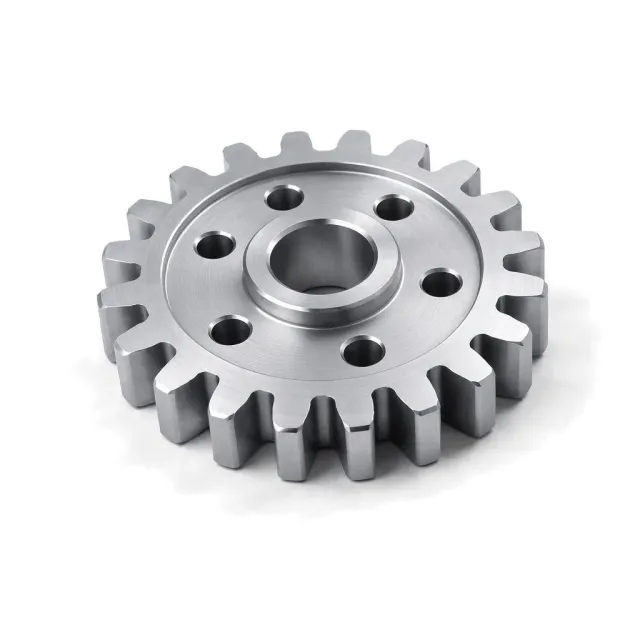
What is CrN PVD?
It is typically about 1800 HV and useful to about 700 °C.
How it works
Chromium is arc-evaporated or sputtered in nitrogen and condenses as CrN on an ion-cleaned conductive substrate. CrN is less hard but generally tougher than many titanium-aluminum nitrides. The substrate should be hardened where wear loads are high and must tolerate the selected 200–500 °C PVD cycle.
Why specify it
- About 1800 HV hardness
- Silver metallic appearance
- Good toughness and release
- Useful to about 700 °C
Where it falls short
- Lower hardness than TiCN or AlCrN
- Thin film cannot repair pits
- Needs conductive temperature-stable support
- Buildup affects precision fits
CrN PVD at a glance
CrN PVD is strongest on surface hardness (83 of 100) and cosmetic quality (76 of 100), at a high cost.
Each score is 0–100 against every finish in this catalog. Corrosion comes from salt-spray life (ASTM B117, log scale) and hardness from the finish layer's Vickers or pencil hardness; cosmetic, lubricity and cost are FabDigit's engineering assessment. Economy on the radar is the inverse of cost.
CrN PVD key numbers
Typical values from the governing specifications and shop practice; bars are this finish against the highest value among pvd hard coatings finishes.
- Thickness
- 2–4 µm
- Hardness
- 1,600–2,000 HV — Approximately 1800 HV typical.
- Electrical
- Conductive
- Colours
- silver
- silver-grey
- Appearance
- Silver to silver-grey with the original polish visible.
Where CrN PVD sits among all finishes
Surface hardness (Vickers, log scale) against corrosion protection (salt-spray hours, log scale) for every coating FabDigit offers, one cloud per finish group. CrN PVD is highlighted; hover a dot for its name or open the full map.
Specifications for CrN PVD
The documents a drawing cites to define this finish, with the Type / Class rows that apply. Each links to a page explaining the standard.
Drawing call-out
PVD COAT DESIGNATED SURFACES CrN, 2–4 µm THICK, SILVER-GREY; MAX PROCESS TEMPERATURE 450 °C; MASK FITSWhich materials take CrN PVD?
Verdict per material family, with the grades that behave differently. Each family links to its datasheets in the material library.
| Material family | Verdict | Notes |
|---|---|---|
| Yes | Suitable after activation; a common mould and anti-galling substrate. | |
| Yes | Suitable on hardened tool steel. | |
| With care | Qualified adhesion layer required. | |
| Limited | Low-temperature cycle only. | |
| Limited | Soft zinc-bearing alloy; decorative PVD is possible, not a wear-tool substrate. | |
| Limited | Soft copper alloys do not support a hard nitride; decorative films need a qualified adhesion layer. | |
| No | Melting point and reactivity exclude conventional PVD tool-coating cycles. | |
| No | Ordinary PVD requires conductive, temperature-stable support. | |
| No | Melting point is below typical PVD process temperature. |
How CrN PVD is applied, and what it does to the part
- 1Clean and polish
- 2Ion etch
- 3Deposit Cr adhesion layer if specified
- 4Reactive CrN deposition
- 5Inspect
| Dimensions | A 2–4 µm coating adds the same amount per coated side. |
|---|---|
| Build-up per side | 1–4 µm — Allow +1–4 µm per coated side. |
| Masking | Usually needed. Mask fits, threads, contacts, and uncoated mould shutoffs. |
| Electrical | Conductive |
| Temperature limit | 700 °C (1,292 °F) continuous |
| Appearance | Silver to silver-grey with the original polish visible. |
| Added lead time | 5–10 working days on top of the bare part |
Design rules for CrN PVD
What to decide on the drawing before the part goes to the finisher.
- Finish the substrate before coating.CrN follows existing texture.
- Use hardened support for loaded wear surfaces.The coating cannot prevent substrate indentation.
- Specify the temperature limit.PVD can alter heat treatment.
- Mask mating fits.Diameter changes by twice film thickness.
CrN PVD versus the alternatives
Finishes engineers weigh against CrN PVD, and when each wins.
| Finish | Corrosion | Hardness | Cosmetic | Cost | Thickness | Choose it when |
|---|---|---|---|---|---|---|
CrN PVD this page | 62 | 83 | 76 | $$$$ | 1–5 µm | — |
| 58 | 93 | 52 | $$$$ | 1–5 µm | greater hot hardness is required | |
| 45 | 87 | 88 | $$$$ | 1–5 µm | gold colour and higher hardness are preferred |
The radar overlays CrN PVD with Aluminum Chromium Nitride PVD, its most common alternative — chosen greater hot hardness is required. Scores in the table are 0–100 across every finish in the catalog.
Cost, lead time and compliance
Relative cost
Chromium Nitride PVD is a high-cost finish ($$$$): more expensive than about 80 % of the finishes FabDigit quotes.
Finishing is priced per part with a lot minimum, from FabDigit's own China-side rates. The exact figure appears on the instant quote once the part is uploaded.
Lead time and compliance
| Added lead time | 5–10 working days |
|---|---|
| RoHS | Compliant |
| Notes | CrN itself is generally RoHS-compliant; it is not hexavalent chromium. |
What CrN PVD is used for
- Plastic injection moulds
- Forming tools
- Medical instruments
- Anti-galling components
CrN PVD — frequently asked
CrN vs TiN: which coating is better?
CrN is typically about 1800 HV and silver, while TiN is about 2300 HV and gold. CrN is often selected for toughness, release, and anti-galling.
How thick is CrN coating?
CrN PVD is commonly 1–5 µm, with 2–4 µm typical. It adds that thickness to each coated side.
What temperature can CrN withstand?
A typical working limit is about 700 °C. Oxidation life changes with atmosphere and thermal cycling.
Is CrN good for injection moulds?
Yes; its toughness and release behavior suit hardened mould components. Polish first because a 2–4 µm coating does not hide machining texture.
Can aluminum be CrN coated?
Yes only with a cycle qualified below the alloy's aging limit. Conventional PVD heat can reduce aluminum temper strength.
Other pvd hard coatings finishes
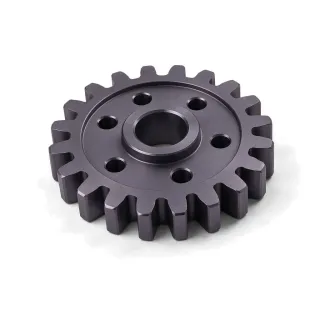 Aluminum Titanium Nitride PVDAlTiN is a high-aluminum nitride PVD coating for dry, high-speed machining of hardened steels.CorrosionHardnessCost$$$$
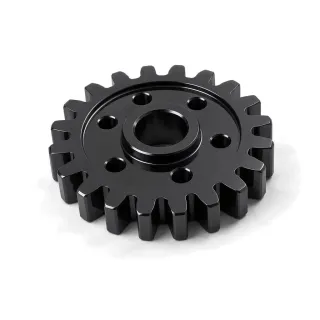 Diamond-Like Carbon CoatingDLC is a family of black amorphous-carbon coatings used for very low friction and severe sliding wear.CorrosionHardnessCost$$$$
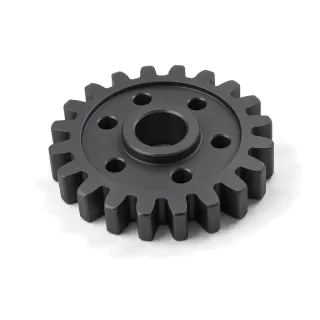 Molybdenum Disulfide PVDMoS2 is a soft, dark-grey solid-lubricant coating selected for dry and vacuum mechanisms.CorrosionHardnessCost$$$$
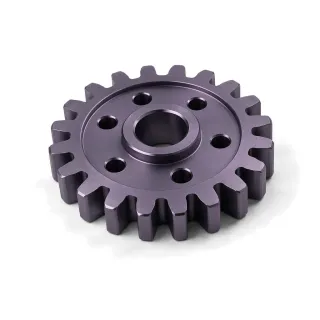 Titanium Aluminum Nitride PVDTiAlN is a violet-black PVD coating for high-speed and dry cutting.CorrosionHardnessCost$$$$
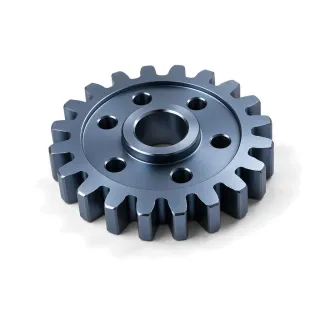 Titanium Carbonitride PVDTiCN is a blue-grey PVD tool coating with about 3000 HV hardness and lower friction than TiN.CorrosionHardnessCost$$$$
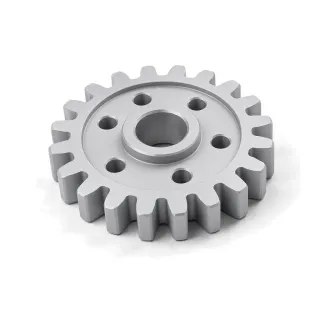 Titanium Diboride PVDTiB2 is a hard grey PVD coating chosen mainly to resist aluminum adhesion on cutting and forming tools.CorrosionHardnessCost$$$$
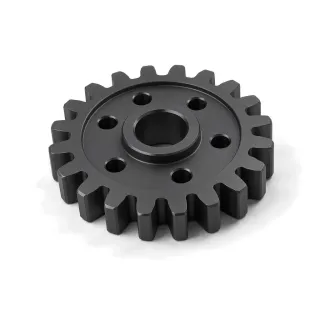 Tungsten Carbide Carbon PVDWC/C is a tungsten-containing hydrogenated amorphous-carbon coating, often written a-C:H:W, for sliding and rolling components.CorrosionHardnessCost$$$$
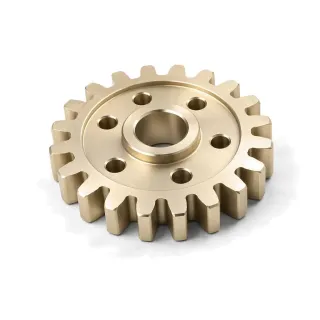 Zirconium Nitride PVDZrN is a light-gold PVD coating used for decorative stainless products and for wear on non-ferrous cutting tools.CorrosionHardnessCost$$$$