
Epoxy Coating
Paint, powder & polymer coatings · Spray applied
Epoxy coating is a crosslinked protective film valued for adhesion, chemical resistance, and barrier protection.
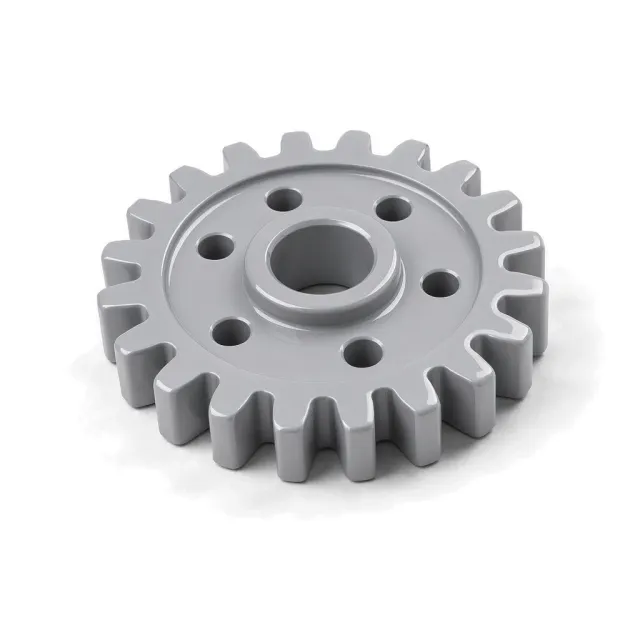
What is Epoxy coat?
It is commonly used as a primer, industrial topcoat, tank lining, or heavy-duty metal coating.
How it works
A liquid two-component epoxy mixes resin and curing agent immediately before application, then crosslinks at ambient or elevated temperature. The prepared substrate must be free of oil, rust, salts, and loose oxide; abrasive blasting is common for steel. Multiple passes build the specified dry-film thickness. Epoxy forms a dense barrier but its aromatic binder can chalk and lose gloss under ultraviolet exposure, so outdoor decorative systems normally add a UV-resistant polyurethane topcoat.
Why specify it
- Strong adhesion to correctly prepared metal
- Typical v1 dry-film range is 50–200 µm
- Good barrier resistance to water and many industrial chemicals
- Useful as a primer beneath polyurethane topcoat
Where it falls short
- Unprotected epoxy can chalk and fade in sunlight
- Rigid films can chip at impacts and flexing edges
- Poor blasting or surface contamination causes delamination
- Thick film obstructs threads and close fits
Epoxy coat at a glance
Epoxy coat is strongest on corrosion protection (83 of 100), at a premium cost.
Each score is 0–100 against every finish in this catalog. Corrosion comes from salt-spray life (ASTM B117, log scale) and hardness from the finish layer's Vickers or pencil hardness; cosmetic, lubricity and cost are FabDigit's engineering assessment. Economy on the radar is the inverse of cost.
Epoxy coat key numbers
Typical values from the governing specifications and shop practice; bars are this finish against the highest value among paint, powder & polymer coatings finishes.
- Thickness
- 50–200 µm depending on primer, topcoat, or lining duty
- Hardness
- 2H–4H pencil hardness (ASTM D3363) — two-component epoxy, fully cured
- Corrosion (salt spray)
- 500–1,000 h per ASTM B117 scribe creep, 100–200 µm two-component epoxy over blast-cleaned steel (typical) — System and film build govern; zinc-rich primers extend the figure.
- Electrical
- Insulating
- Colours
- gray
- black
- white
- custom color
- clear
- Appearance
- Smooth to orange-peel, usually gloss when new; outdoor exposure can produce chalking without a UV-stable topcoat.
Where Epoxy coat sits among all finishes
Surface hardness (Vickers, log scale) against corrosion protection (salt-spray hours, log scale) for every coating FabDigit offers, one cloud per finish group. Epoxy coat is highlighted; hover a dot for its name or open the full map.
Specifications for Epoxy coat
The documents a drawing cites to define this finish, with the Type / Class rows that apply. Each links to a page explaining the standard.
Drawing call-out
2K EPOXY COATING, LIGHT GREY, 100–150 µm TOTAL DFT; VERIFY ADHESION PER ASTM D3359, 4B MIN; MASK THREADS, SEALING FACES, AND WELD ZONESWhich materials take Epoxy coat?
Verdict per material family, with the grades that behave differently. Each family links to its datasheets in the material library.
| Material family | Verdict | Notes |
|---|---|---|
| Yes | Use an aluminum-compatible pretreatment or primer. | |
| Yes | Abrasive blast preparation is commonly required. | |
| With care | Adhesion and tarnish bleed-through require a qualified primer system. | |
| With care | Tarnish and adhesion must be validated; pretreat immediately before coating. | |
| With care | Metal AM parts can be coated after powder removal and suitable pretreatment. | |
| With care | Use a validated conversion pretreatment and coat promptly. | |
| With care | Abrasion and compatible primer improve adhesion. | |
| With care | Needs mechanical profile and a compatible pretreatment. | |
| With care | Outgassing and pretreatment must be controlled. | |
| Limited | Layer lines and low-temperature polymers limit conventional oven-cured films. | |
| Limited | Porous nylon can be coated after blasting and sealing. | |
| Limited | Cure chemistry, stiffness, and solvent compatibility must be validated. | |
| Limited | Fully post-cure first; many oven schedules exceed resin limits. | |
| Limited | Porous nylon can be coated after sealing; film build fills texture. |
How Epoxy coat is applied, and what it does to the part
- 1Degrease
- 2Abrasive blast or pretreat
- 3Remove dust and salts
- 4Mask
- 5Mix components
- 6Spray
- 7Recoat within specified window
- 8Cure
- 9Inspect
| Dimensions | At 50–200 µm per side, epoxy must be excluded from precision bores, threads, and mating faces unless allowance is designed. |
|---|---|
| Build-up per side | 50–200 µm — Dry film adds its full measured thickness on each exposed face. |
| Masking | Usually needed. Mask threads, fits, gasket lands, electrical contacts, and weld areas. |
| Electrical | Insulating |
| Temperature limit | 120 °C (248 °F) continuous |
| Appearance | Smooth to orange-peel, usually gloss when new; outdoor exposure can produce chalking without a UV-stable topcoat. |
| Added lead time | 3–7 working days on top of the bare part |
Design rules for Epoxy coat
What to decide on the drawing before the part goes to the finisher.
- State the surface-preparation grade separately from the coating.Epoxy adhesion depends on cleanliness and blast profile.
- Specify total dry-film thickness.Wet-film thickness does not equal cured buildup.
- Add a UV-resistant topcoat for exposed cosmetic service.Many epoxies chalk and lose gloss outdoors.
- Mask every threaded or sealing interface.A 50–200 µm film can prevent assembly or sealing.
Epoxy coat versus the alternatives
Finishes engineers weigh against Epoxy coat, and when each wins.
| Finish | Corrosion | Hardness | Cosmetic | Cost | Thickness | Choose it when |
|---|---|---|---|---|---|---|
Epoxy coat this page | 83 | 15 | 55 | $$$ | 50–200 µm | — |
| 83 | 14 | 85 | $$ | 50–150 µm | when an oven-cured decorative metal finish is preferred | |
| 59 | 10 | 90 | $$ | 20–80 µm | when broad cosmetic color and thinner film are primary |
The radar overlays Epoxy coat with Powder Coating, its most common alternative — chosen when an oven-cured decorative metal finish is preferred. Scores in the table are 0–100 across every finish in the catalog.
Cost, lead time and compliance
Relative cost
Epoxy Coating is a premium-cost finish ($$$): cheaper than about 55 % of the finishes FabDigit quotes.
Finishing is priced per part with a lot minimum, from FabDigit's own China-side rates. The exact figure appears on the instant quote once the part is uploaded.
Lead time and compliance
| Added lead time | 3–7 working days |
|---|---|
| RoHS | Compliant |
| Notes | Confirm exact pigments, curing agents, solvent content, and intended chemical exposure. |
What Epoxy coat is used for
- Industrial tank exteriors
- Pipeline components
- Structural steel
- Marine equipment
- Machinery bases
Epoxy coat — frequently asked
epoxy coating vs powder coating
Epoxy can be applied as a liquid at ambient or moderate cure conditions and is strong as a chemical-resistant primer or barrier. Powder coating usually needs an oven and commonly produces a 50–150 µm decorative film.
how thick is epoxy coating
This catalog uses 50–200 µm as the typical range for industrial epoxy coating. Linings and multi-coat systems can differ, so total dry-film thickness must be specified.
is epoxy coating UV resistant
Many aromatic epoxies chalk and lose gloss under sunlight. Outdoor cosmetic systems commonly cover epoxy with a UV-stable polyurethane topcoat.
does epoxy coating stop rust
It is an effective barrier when the steel is correctly blasted and the film remains continuous. A scratch or poorly coated sharp edge can expose steel and allow underfilm corrosion.
can epoxy coating be used on threads
It should normally be masked from functional threads. Even 50 µm on each flank can tighten fit, while a 200 µm film can bridge thread detail.
Other paint, powder & polymer coatings finishes
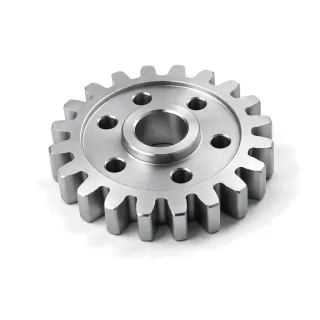 Anti-Fingerprint Oleophobic CoatingAnti-fingerprint oleophobic coating lowers surface energy so skin oils spread less, fingerprints appear lighter, and cleaning is easier.CorrosionHardnessCost$$$
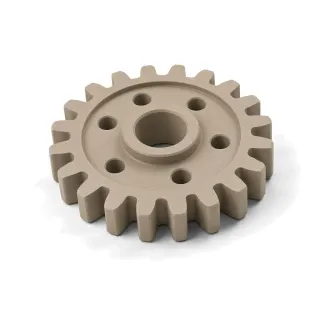 CerakoteCerakote is a trademarked ceramic-polymer thin-film coating supplied in product-specific air-cure and oven-cure series.CorrosionHardnessCost$$$
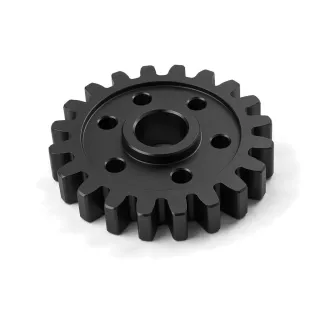 Electrophoretic CoatingE-coating deposits a waterborne organic film on an electrically conductive part by electrophoresis.CorrosionHardnessCost$$
 Primer CoatingPrimer coating is an intermediate film that promotes adhesion, seals porosity, levels minor defects, or improves corrosion protection before paint.CorrosionHardnessCost$$
 PTFE Dry-Film CoatingPTFE dry-film coating is a fluoropolymer-based low-friction, non-stick coating for metal components.CorrosionHardnessCost$$$
 Rubberized Dip CoatingRubberized dip coating forms a thick flexible grip or protective skin on metal handles and similar parts.CorrosionHardnessCost$$
Compare every paint, powder & polymer coatings finish side by side →