
Zinc-Nickel Plating
Electroplating & electroless plating · Electrolytic bath
Zinc-nickel is a sacrificial alloy electrodeposit used on steel where plain zinc is insufficient.
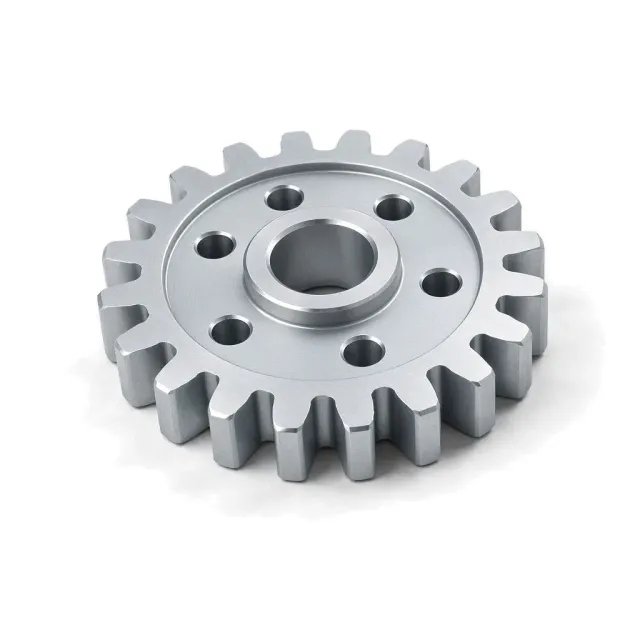
What is Zinc-nickel?
Modern automotive systems target 12–15% nickel, usually at 5–15 µm plus passivate and sealer.
How it works
Parts are cathodically plated from an alkaline or acid bath containing zinc and nickel ions. Process control holds the alloy near 12–15% nickel, where corrosion resistance is strongest. A trivalent passivate and often an organic or inorganic sealer complete the system. Like all electrodeposits, current crowds at edges and weakens in recesses, so rack design, auxiliary anodes, and measurement locations matter.
Why specify it
- Typically 720–1000 h to red rust for qualified 12–15% Ni systems
- Only 5–15 µm metallic deposit for precision steel parts
- Better heat and corrosion performance than plain zinc
- Sacrificial protection remains after minor scratches
Where it falls short
- Alloy percentage must be tightly controlled
- Electrolytic thickness is nonuniform in deep recesses
- Hydrogen embrittlement controls remain necessary
- Black passivates may perform differently from clear systems
Zinc-nickel at a glance
Zinc-nickel is strongest on corrosion protection (86 of 100), at a standard cost.
Each score is 0–100 against every finish in this catalog. Corrosion comes from salt-spray life (ASTM B117, log scale) and hardness from the finish layer's Vickers or pencil hardness; cosmetic, lubricity and cost are FabDigit's engineering assessment. Economy on the radar is the inverse of cost.
Zinc-nickel key numbers
Typical values from the governing specifications and shop practice; bars are this finish against the highest value among electroplating & electroless plating finishes.
- Thickness
- 8–12 µm zinc-nickel containing 12–15% nickel, plus passivate and optional sealer
- Hardness
- 350–500 HV — Typical for 12–15% nickel zinc-alloy deposits; not normally the primary acceptance test.
- Corrosion (salt spray)
- 720–1,000 h per ASTM B117 for a qualified zinc-nickel/passivate/sealer system — Typical red-rust targets used by automotive specifications; exact requirement is system and OEM specific.
- Electrical
- Conductive
- Colours
- clear
- black
- Appearance
- Silver-gray or black depending on passivate and sealer.
Where Zinc-nickel sits among all finishes
Surface hardness (Vickers, log scale) against corrosion protection (salt-spray hours, log scale) for every coating FabDigit offers, one cloud per finish group. Zinc-nickel is highlighted; hover a dot for its name or open the full map.
Specifications for Zinc-nickel
The documents a drawing cites to define this finish, with the Type / Class rows that apply. Each links to a page explaining the standard.
| Standard | Type / Class | Thickness | Requirement / test | Status |
|---|---|---|---|---|
Standard Specification for Electrodeposited Coatings of Zinc Nickel Alloy Deposits · ASTM | Class 1 | — | Zinc-nickel deposit with 5–12 mass % nickel. · Nickel composition. | Active |
Test and related methods: ASTM B117 (Standard Practice for Operating Salt Spray (Fog) Apparatus), ASTM B850 (Standard Guide for Post-Coating Treatments of Steel for Reducing the Risk of Hydrogen Embrittlement).
Drawing call-out
ZINC-NICKEL PLATE PER ASTM B841, 12–15% Ni, 10 µm MIN, CLEAR TRIVALENT PASSIVATE AND SEALER; BAKE PER ASTM B850Pattern: ZINC-NICKEL PLATE PER ASTM B841, CLASS <CLASS>, GRADE <5|8|10>, TYPE <A|B|C|D|E><HEXAVALENT STATUS>
Which materials take Zinc-nickel?
Verdict per material family, with the grades that behave differently. Each family links to its datasheets in the material library.
| Material family | Verdict | Notes |
|---|---|---|
| Yes | Primary substrate.
| |
| With care | Steel AM parts after porosity review; apply ASTM B850 baking when strength requires it. | |
| Limited | Not a standard aluminum finish; the steel fastener is usually the plated member. | |
| Limited | Rarely specified on brass. | |
| Limited | Possible but uncommon versus nickel or tin systems. | |
| Limited | Requires activation and is rarely the preferred system. | |
| Limited | Possible on some die castings after a strike. | |
| No | Fused-filament polymers are incompatible with this process. | |
| No | Incompatible. | |
| No | Polymer powder-bed prints are incompatible with this process. | |
| No | Organic polymers cannot take this inorganic metal-finishing process. | |
| No | Photopolymer prints are incompatible with this process. | |
| No | Polymer powder-bed prints are incompatible with this process. | |
| No | Titanium is not zinc-nickel plated. |
How Zinc-nickel is applied, and what it does to the part
- 1Clean
- 2Pickle or activate
- 3Electroplate zinc-nickel
- 4Rinse
- 5Trivalent passivate
- 6Seal
- 7Embrittlement-relief bake when required
- 8Test alloy and thickness
| Dimensions | Allow 5–15 µm per plated side and identify low-current-density measurement locations. |
|---|---|
| Build-up per side | 5–15 µm — Local buildup follows current density; edges are thicker than recesses. |
| Masking | Usually needed. Mask precision threads, bores, and contact areas; define torque-tension requirements for fasteners. |
| Electrical | Conductive |
| Temperature limit | 120 °C (248 °F) continuous |
| Appearance | Silver-gray or black depending on passivate and sealer. |
| Added lead time | 3–7 working days on top of the bare part |
Design rules for Zinc-nickel
What to decide on the drawing before the part goes to the finisher.
- Specify 12–15% nickel.Corrosion performance depends on alloy composition.
- Name the passivate and sealer.The metallic layer alone does not define salt-spray performance.
- Control fastener friction.Sealers change torque-tension behavior.
- Apply ASTM B850 controls to susceptible steel.The electrolytic process can charge hydrogen.
Zinc-nickel versus the alternatives
Finishes engineers weigh against Zinc-nickel, and when each wins.
| Finish | Corrosion | Hardness | Cosmetic | Cost | Thickness | Choose it when |
|---|---|---|---|---|---|---|
Zinc-nickel this page | 86 | 60 | 48 | $$ | 5–15 µm | — |
| 60 | 30 | 55 | $ | 5–25 µm | when moderate corrosion performance and lowest cost govern | |
| 85 | — | 35 | $$$ | 6–15 µm | when avoiding electrolytic hydrogen charging is critical |
The radar overlays Zinc-nickel with Zinc Plating, its most common alternative — chosen when moderate corrosion performance and lowest cost govern. Scores in the table are 0–100 across every finish in the catalog.
Cost, lead time and compliance
Relative cost
Zinc-Nickel Plating is a standard-cost finish ($$): cheaper than about 67 % of the finishes FabDigit quotes.
Finishing is priced per part with a lot minimum, from FabDigit's own China-side rates cross-checked against US job-shop pricing. The exact figure appears on the instant quote once the part is uploaded.
Lead time and compliance
| Added lead time | 3–7 working days |
|---|---|
| RoHS | Compliant |
| Notes | Specify trivalent passivation; nickel-containing wastewater and worker exposure require controls. |
What Zinc-nickel is used for
- Brake components
- Underbody fasteners
- Marine fasteners
- Hydraulic fittings
Zinc-nickel — frequently asked
zinc nickel plating vs zinc plating
Zinc-nickel at 12–15% Ni and 5–15 µm commonly reaches 720–1000 h system targets to red rust. Plain zinc is cheaper but usually provides substantially shorter protection at comparable thickness.
how thick is zinc nickel plating
A common engineering range is 5–15 µm, with 8–12 µm frequently specified. Passivate and sealer are additional thin layers and must be named separately.
what percent nickel is zinc nickel plating
High-performance alkaline zinc-nickel systems are normally controlled at 12–15% nickel by mass. Lower alloy contents do not provide the same corrosion behavior.
does zinc nickel plating cause hydrogen embrittlement
Yes, cleaning and electrodeposition can introduce hydrogen into susceptible high-strength steel. Specify prompt relief baking and process controls under ASTM B850 or the product specification.
can zinc nickel plating be black
Yes, a black trivalent passivate can follow the 12–15% nickel deposit. Validate corrosion and coefficient-of-friction requirements because black and clear post-treatments are not automatically equivalent.
Other electroplating & electroless plating finishes
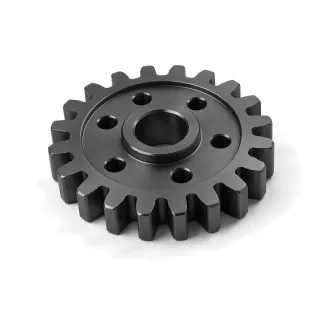 Black Nickel PlatingBlack nickel is a thin dark decorative electrodeposit, commonly applied over nickel, copper, brass, or zinc.CorrosionHardnessCost$$$
 Brass PlatingBrass plating co-deposits copper and zinc to give steel, zinc die castings, or copper alloys a yellow decorative surface.CorrosionHardnessCost$$$
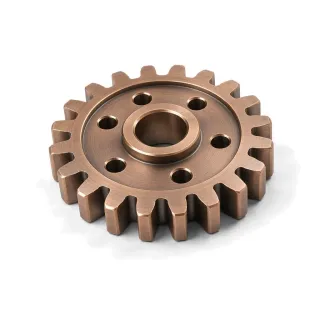 Bronze PlatingBronze plating deposits a copper-tin or related copper alloy for warm decorative color, antiquing, or selected functional bearing surfaces.CorrosionHardnessCost$$$
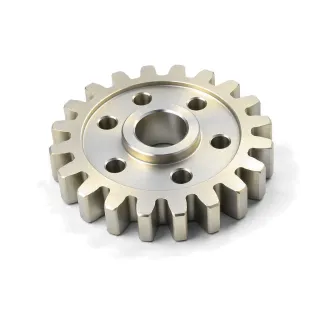 Cadmium PlatingCadmium is a sacrificial, lubricious coating retained mainly for aerospace, defense, and legacy hardware.CorrosionHardnessCost$$$$
 Copper PlatingCopper plating is a conductive, ductile undercoat used for leveling, adhesion, shielding, and build-up.CorrosionHardnessCost$$
 Decorative Nickel-Chrome PlatingDecorative chrome is a multilayer system: copper when needed, one or more nickel layers, and a very thin chromium topcoat.CorrosionHardnessCost$$$
 Electroless Copper PlatingElectroless copper chemically deposits a conductive seed layer on catalyzed plastics and inside printed-circuit through-holes.CorrosionHardnessCost$$$
 Electroless Nickel PlatingElectroless nickel is an autocatalytic nickel-phosphorus coating with nearly uniform thickness on complex geometry.CorrosionHardnessCost$$$
Compare every electroplating & electroless plating finish side by side →