
Paint, powder & polymer coatings · finish comparison
Powder Coating vs Wet Painting
Powder Coating and Wet Painting are both paint, powder & polymer coatings finishes; powder coat resists corrosion better (500–1,000 h vs 96–250 h salt spray).
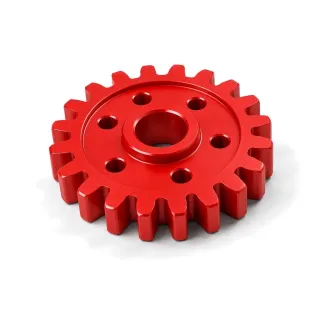
Powder Coating
Paint, powder & polymer coatings · $$ · instant quote
Powder coating electrostatically deposits dry thermoset powder on conductive parts and melts it into a continuous film.
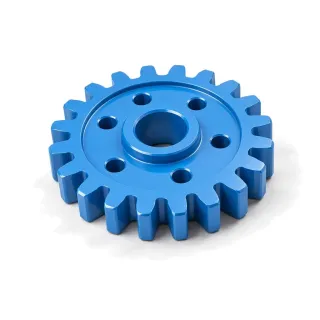
Wet Painting
Paint, powder & polymer coatings · $$ · instant quote
Wet painting atomizes a liquid resin, pigment, and solvent or water system onto prepared metal or plastic.
When to choose which
Choose Powder coat
Choose Powder coat when a thicker, tougher metal finish is acceptable.
- Typical finished film is 50–150 µm
- No liquid solvent is needed for film formation
- Tough decorative coverage suits fabricated metal
Choose Wet paint
Choose Wet paint when lower cure temperature or finer cosmetic repair is needed.
- Matches RAL, Pantone, or customer master colors
- Covers metals, molded plastics, and printed polymers with suitable primer
- Multi-layer systems can separate adhesion, color, and UV-protection functions
What the numbers say
- Powder coat resists corrosion better (500–1,000 h vs 96–250 h salt spray).
- Powder coat is the harder surface.
- Powder coat is the lower-cost option ($$).
- Wet paint is the thinner coating (20–80 µm), so it disturbs tight fits less.
- Powder coat tolerates more heat (150 °C continuous).
Buyer's decision notes
Powder coating fits robust shop-applied finishes on parts that can be grounded, racked and oven-cured. Wet paint is the more adaptable route when the assembly, substrate, color system, film build or repair plan depends on a liquid coating specification.
- Substrate and cure
- Confirm that the complete part—including fillers, seals, inserts and prior treatments—can tolerate the selected pretreatment and cure schedule. A metal being “powder coat compatible” does not make every assembled component oven compatible.
- Recesses and edges
- Electrostatic powder can repel from deep corners and shielded recesses while building readily on exposed edges. Review Faraday-cage areas, sharp edges, tubes and enclosed returns with the coater; liquid spray has its own access, sag and overspray constraints.
- Color system
- Specify resin family, color standard, gloss, texture and outdoor exposure rather than “black powder” or “paint to match.” A physical approved sample is safer when two suppliers, batches or adjacent assemblies must match.
- Performance tests
- Adhesion, cure, film thickness and corrosion testing belong to the complete pretreatment-plus-coating system. Neutral salt spray is a comparative qualification test and should not be converted into outdoor service years.
Put this on the RFQ
- Name the substrate, pretreatment, coating chemistry or approved product, color, gloss, texture, exposure and required qualification standard.
- Show rack marks, grounding points, masked threads, bond faces, gasket lands and no-coat zones.
- Provide a representative or witness panel when appearance, adhesion or corrosion testing is part of acceptance.
Primary references
- PPG — Powder application process — Manufacturer description of grounding, electrostatic application, pretreatment and thermal curing.
- PPG — Powder troubleshooting guide — Manufacturer guidance for poor penetration in Faraday-cage areas and other application defects.
- PPG — Industrial liquid coatings — Manufacturer overview of liquid coating chemistries, application flexibility, color and finish options.
FabDigit resources: Powder coat datasheet · Wet paint datasheet · surface finish selection guide
Scores side by side
Each score is 0–100 against every finish in this catalog. Corrosion is derived from salt-spray test duration and surface hardness from the finish layer's Vickers hardness where a measured figure exists; a finish that leaves the base metal's own surface is not rated for hardness. Cosmetic, lubricity and cost are FabDigit's engineering assessment. Scores and typical figures are screening data, not matched side-by-side tests or service-life rankings; ASTM B117 is a controlled salt-fog method, not a field-life prediction.
| Score | Powder coat | Wet paint |
|---|---|---|
| Corrosion resistance | 83 Very good | 59 Good |
| Surface hardness / wear | 14 Minimal | 10 Minimal |
| Cosmetic quality | 85 Excellent | 90 Excellent |
| Lubricity | 15 Low | 15 Low |
| Cost | 25 $$ | 30 $$ |
Key numbers
| Property | Powder coat | Wet paint |
|---|---|---|
| Thickness | 50–150 µm | 20–80 µm |
| Salt-spray test duration | 500–1,000 h | 96–250 h |
| Max service temperature | 150 °C | 120 °C |
| Electrical | Insulating | Insulating |
| Colours | RAL colors, custom color, clear | RAL colors, Pantone colors, custom color, clear |
| Relative cost | Standard ($$) | Standard ($$) |
| Added lead time | 3–7 working days | 3–7 working days |
| RoHS | Compliant | Compliant |
| Instant quote | Yes | Yes |
Bold marks the side that is ahead on a row where more (or less, for cost and lead time) is better. Ranges are the typical specification window; the drawing call-out fixes the class.
Which materials take each finish
| Material family | Powder coat | Wet paint |
|---|---|---|
| Aluminum | Yes | Yes |
| Steel | Yes | Yes |
| Brass | With care | With care |
| Composite | — | With care |
| Copper Alloy | With care | With care |
| DMLS / SLM | With care | With care |
| Magnesium Alloy | With care | With care |
| Polymer | Limited | With care |
| Stainless Steel | With care | With care |
| Titanium | With care | With care |
| Zinc Alloy | With care | With care |
| FDM | Limited | Limited |
| MJF | Limited | Limited |
| SLA | Limited | Limited |
| SLS | Limited | Limited |
Powder coat vs Wet paint — frequently asked
What is the difference between Powder coat and Wet paint?
Powder Coating and Wet Painting are both paint, powder & polymer coatings finishes; powder coat resists corrosion better (500–1,000 h vs 96–250 h salt spray). Powder coat is the harder surface. Powder coat is the lower-cost option ($$).
When should I use Powder coat instead of Wet paint?
Choose Powder coat when a thicker, tougher metal finish is acceptable. Conversely: choose Wet paint when lower cure temperature or finer cosmetic repair is needed.
Is Powder coat or Wet paint cheaper?
Powder coat is the lower-cost finish ($$ against $$ for Wet paint) among the finishes FabDigit quotes. Both are priced per part with a lot minimum; the exact figure appears on the instant quote once the part is uploaded.
Which lasts longer in salt spray, Powder coat or Wet paint?
Powder coat. Powder coat is rated 500–1,000 h and Wet paint 96–250 h in neutral salt spray (ASTM B117 or the qualification hours of the governing specification). The figures are for the finish as specified on a clean, properly pre-treated substrate; sealing, thickness class and substrate alloy move them.