
Soft-Touch Coating
Coatings for plastics · Spray applied
Soft-touch coating is a flexible polyurethane-class finish that gives rigid plastic a warm, rubber-like tactile feel and improved grip.
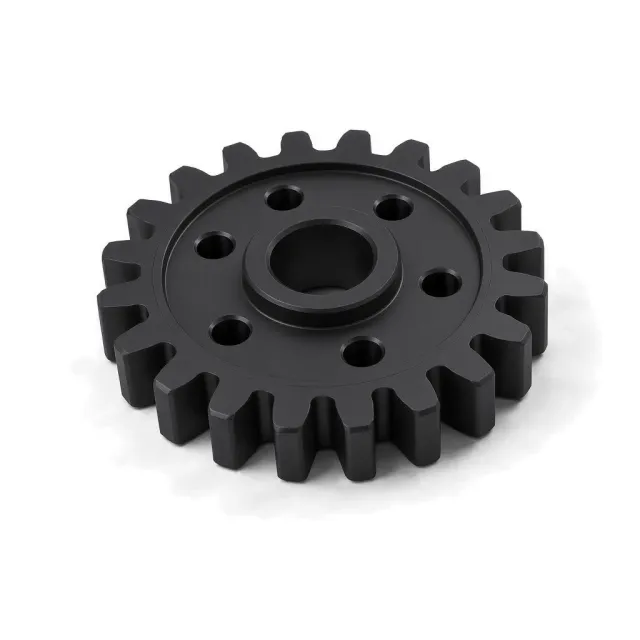
What is Soft-touch?
It is specified on handheld controls, cosmetic packaging, and consumer housings.
How it works
The molded or printed polymer is cleaned of mold release, dust, and skin oils, then activated or primed when its surface energy is too low. A flexible clear or pigmented coating is sprayed and cured into a compliant film. The soft feel comes from resin formulation and surface friction rather than a thick rubber layer. Humidity, skin oils, ultraviolet exposure, plasticizer migration, and incomplete cure can cause tackiness or loss of adhesion over time.
Why specify it
- Typical film is 20–40 µm
- Creates a premium rubber-like hand feel
- Improves dry grip without changing the molded tool
- Can carry color or remain clear over a basecoat
Where it falls short
- Some formulations become sticky after heat, humidity, or skin-oil aging
- Edges and high-touch corners polish or wear first
- Low-surface-energy plastics need activation or primer
- Coating reduces crispness of fine texture and legends
Soft-touch at a glance
Soft-touch is strongest on cosmetic quality (85 of 100), at a premium cost. It adds little surface hardness or lubricity.
Each score is 0–100 against every finish in this catalog. Corrosion comes from salt-spray life (ASTM B117, log scale) and hardness from the finish layer's Vickers or pencil hardness; cosmetic, lubricity and cost are FabDigit's engineering assessment. Economy on the radar is the inverse of cost.
Soft-touch key numbers
Typical values from the governing specifications and shop practice; bars are this finish against the highest value among coatings for plastics finishes.
- Thickness
- 20–40 µm for a sprayed polyurethane-class soft-touch film
- Hardness
- B–HB pencil hardness (ASTM D3363) — soft by design — a tactile elastomeric film
- Electrical
- Insulating
- Colours
- clear
- black
- custom color
- Appearance
- Matte to satin, visually subdued, with a warm rubber-like tactile response.
Where Soft-touch sits among all finishes
Surface hardness (Vickers, log scale) against corrosion protection (salt-spray hours, log scale) for every coating FabDigit offers, one cloud per finish group. Soft-touch is highlighted; hover a dot for its name or open the full map.
Specifications for Soft-touch
The documents a drawing cites to define this finish, with the Type / Class rows that apply. Each links to a page explaining the standard.
Drawing call-out
SOFT-TOUCH 2K POLYURETHANE COATING, BLACK, 20–40 µm DFT, MATTE; MASK SNAP FEATURES, THREADS, DISPLAY WINDOW, AND ADHESIVE BOND AREASWhich materials take Soft-touch?
Verdict per material family, with the grades that behave differently. Each family links to its datasheets in the material library.
| Material family | Verdict | Notes |
|---|---|---|
| Yes | Compatibility and pretreatment depend on resin chemistry.
| |
| With care | Possible over primer for hand-feel on metal housings; edges wear first. | |
| With care | Clean tarnish and qualify adhesion. | |
| With care | Seal porosity and validate adhesion to the matrix. | |
| With care | Clean tarnish and qualify adhesion; some solvents stain copper. | |
| With care | Needs a sealed, sanded print; texture telegraphing is likely. | |
| With care | Needs conversion coating or primer before an organic film. | |
| With care | Clean, seal, and validate color uniformity. | |
| With care | Fully post-cure and prime; residual resin can disrupt cure. | |
| With care | Porous nylon normally needs sealing before cosmetic coating. | |
| With care | Needs mechanical or chemical activation for adhesion. | |
| With care | Possible over primer; not a corrosion system by itself. | |
| With care | Needs activation or primer for organic films. | |
| With care | Needs conversion coating or primer; some solvents attack zinc. | |
| No | Soft-touch films are not specified on metal AM parts. |
How Soft-touch is applied, and what it does to the part
- 1Clean and remove mold release
- 2Activate or prime if required
- 3Mask
- 4Spray
- 5Flash
- 6Cure
- 7Condition
- 8Inspect feel, adhesion, and appearance
| Dimensions | Allow 20–40 µm on snaps and mating surfaces; coating at parting lines and sharp corners is vulnerable to peel. |
|---|---|
| Build-up per side | 20–40 µm — Adds the cured film thickness to each coated surface. |
| Masking | Usually needed. Mask snaps, threads, keying surfaces, optical windows, electrical contacts, and glue areas. |
| Electrical | Insulating |
| Appearance | Matte to satin, visually subdued, with a warm rubber-like tactile response. |
| Added lead time | 3–7 working days on top of the bare part |
Design rules for Soft-touch
What to decide on the drawing before the part goes to the finisher.
- Require heat-humidity and skin-oil aging on the production resin.Soft-touch failure often appears as delayed tackiness.
- Keep the coating edge away from the highest-wear corner.A feather edge invites peeling.
- Specify mold-release control.Silicone contamination can defeat adhesion.
- Mask snap and adhesive interfaces.The compliant 20–40 µm film changes fit and weakens structural bonding.
Soft-touch versus the alternatives
Finishes engineers weigh against Soft-touch, and when each wins.
| Finish | Corrosion | Hardness | Cosmetic | Cost | Thickness | Choose it when |
|---|---|---|---|---|---|---|
Soft-touch this page | 20 | 5 | 85 | $$$ | 20–40 µm | — |
| 45 | — | 55 | $$ | 250–2,000 µm | when a much thicker resilient grip is acceptable | |
| 59 | 10 | 90 | $$ | 20–80 µm | when color is needed without a rubber-like feel |
The radar overlays Soft-touch with Rubberized Dip Coating, its most common alternative — chosen when a much thicker resilient grip is acceptable. Scores in the table are 0–100 across every finish in the catalog.
Cost, lead time and compliance
Relative cost
Soft-Touch Coating is a premium-cost finish ($$$): cheaper than about 55 % of the finishes FabDigit quotes.
Finishing is priced per part with a lot minimum, from FabDigit's own China-side rates. The exact figure appears on the instant quote once the part is uploaded.
Lead time and compliance
| Added lead time | 3–7 working days |
|---|---|
| RoHS | Compliant |
| Notes | Confirm formulation, solvent emissions, and restricted substances for the exact color and supplier. |
What Soft-touch is used for
- Power-tool handles
- Remote controls
- Automotive knobs
- Cosmetic packaging
- Handheld instruments
Soft-touch — frequently asked
what is soft touch coating
It is usually a flexible polyurethane-class sprayed film that makes rigid plastic feel rubber-like. A typical dry film is 20–40 µm.
why does soft touch coating get sticky
Heat, humidity, skin oils, plasticizer migration, ultraviolet exposure, or incomplete cure can degrade some formulations. Production validation should include accelerated aging on the actual molded resin.
how thick is soft touch coating
A common target is 20–40 µm dry-film thickness. Even that thin film can alter snap fits and soften fine molded texture.
can soft touch coating be applied to ABS
Yes, ABS is a common candidate after complete removal of mold release and selection of compatible primer and solvent. Adhesion and chemical stress cracking still require validation on the exact grade.
soft touch coating vs rubber overmolding
Soft-touch coating is only about 20–40 µm and preserves part geometry, while elastomer overmolding is a structural layer measured in millimeters. Overmolding is generally more durable but requires compatible tooling and materials.
Other coatings for plastics finishes
 Clear CoatingClear coating is a transparent liquid topcoat used to protect color, graphics, and prepared printed-polymer surfaces while controlling gloss.CorrosionHardnessCost$$
 Conductive CoatingConductive coating is a metal-, carbon-, or graphite-filled binder that gives a nonconductive surface controlled electrical conductivity.CorrosionHardnessCost$$$
 EMI Shielding CoatingEMI shielding coating is a conductive metal-filled paint applied mainly to the inside of nonconductive enclosures.CorrosionHardnessCost$$$$
 Hydrophobic Nano-CoatingHydrophobic nano-coating is an ultrathin water-repellent treatment that lowers surface energy so droplets bead and shed.CorrosionHardnessCost$$
 UV-Cured CoatingUV-cured coating is a clear or pigmented liquid film polymerized rapidly by ultraviolet light.CorrosionHardnessCost$$