
Hot-Dip Galvanizing
Electroplating & electroless plating · Dip / immersion
Hot-dip galvanizing immerses fabricated steel or hardware in molten zinc to form a thick sacrificial alloy coating.
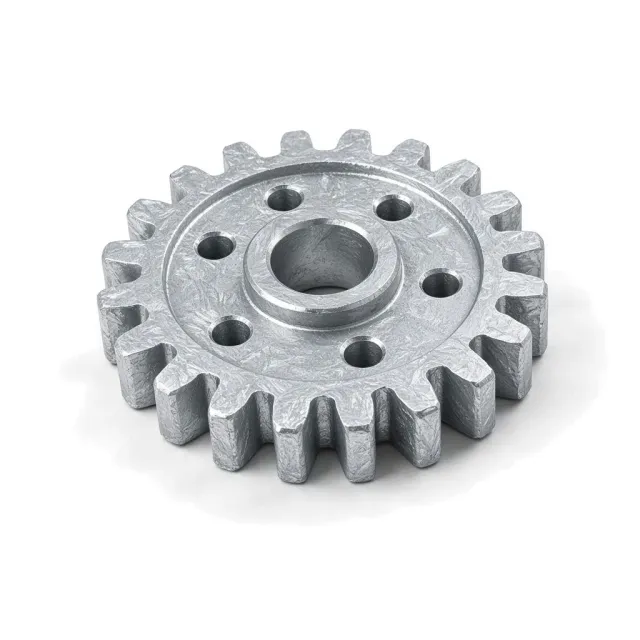
What is Hot-dip zinc?
ASTM A123 covers fabricated products and ASTM A153 covers hardware.
How it works
Steel is degreased, pickled, fluxed, dried, and immersed in molten zinc near 450 °C. Iron and zinc react to form alloy layers with an outer zinc layer. Withdrawal speed, drainage, steel chemistry, section thickness, and bath control determine coating mass and appearance. The process coats accessible inside and outside surfaces but leaves runs at drain points and adds far more thickness than electroplating.
Why specify it
- Thick sacrificial protection for outdoor steel
- Covers edges and accessible interiors
- Metallurgically bonded iron-zinc alloy layers
- Long life with little field maintenance
Where it falls short
- Can fill threads and small holes
- Heat can distort thin or asymmetric fabrications
- Appearance includes runs, ash, and drainage marks
- Not dimensionally precise
Hot-dip zinc at a glance
Hot-dip zinc is strongest on corrosion protection (90 of 100), at a standard cost.
Each score is 0–100 against every finish in this catalog. Corrosion comes from salt-spray life (ASTM B117, log scale) and hardness from the finish layer's Vickers or pencil hardness; cosmetic, lubricity and cost are FabDigit's engineering assessment. Economy on the radar is the inverse of cost.
Hot-dip zinc key numbers
Typical values from the governing specifications and shop practice; bars are this finish against the highest value among electroplating & electroless plating finishes.
- Thickness
- Approximately 45–100 µm depending on ASTM A123 material category and steel thickness
- Hardness
- 70–250 HV — η (pure zinc) outer layer ≈ 70 HV; ζ/δ Fe-Zn alloy layers 180–250 HV — harder than the steel they protect. Alloy-layer hardness is not a drawing acceptance criterion.
- Corrosion (salt spray)
- 800–1,500 h per ASTM B117 to red rust, typical for an ASTM A123 coating of ≈ 85 µm — B117 is known to understate zinc in service; galvanizing specifications control coating mass, not salt-spray hours.
- Electrical
- Conductive
- Colours
- silver gray
- matte gray
- Appearance
- Bright spangled to matte gray, with visible drainage and handling marks accepted within the specification.
Where Hot-dip zinc sits among all finishes
Surface hardness (Vickers, log scale) against corrosion protection (salt-spray hours, log scale) for every coating FabDigit offers, one cloud per finish group. Hot-dip zinc is highlighted; hover a dot for its name or open the full map.
Specifications for Hot-dip zinc
The documents a drawing cites to define this finish, with the Type / Class rows that apply. Each links to a page explaining the standard.
| Standard | Type / Class | Thickness | Requirement / test | Status |
|---|---|---|---|---|
Standard Specification for Zinc (Hot-Dip Galvanized) Coatings on Iron and Steel Products · ASTM | Structural shapes | 45–100 µm | Grades 45, 65, 75, 75, 100, and 100 across steel-thickness bands from <1.6 to ≥16 mm. · Grade number equals average thickness in µm. · Magnetic thickness or stripping mass. | Active |
| Plate, strip, and bar | 45–100 µm | Grades 45, 65, 75, 75, 75, and 100 across the six thickness bands. · Grade number equals average thickness in µm. · Magnetic thickness or stripping mass. | ||
| Pipe and tubing | 45–75 µm | Grades 45, 45, 75, 75, 75, and 75 across the six thickness bands. · Grade number equals average thickness in µm. · Magnetic thickness or stripping mass. | ||
| Wire | 35–80 µm | Grades 35, 50, 60, 65, 80, and 80 across the six thickness bands. · Grade number equals average thickness in µm. · Magnetic thickness or stripping mass. | ||
| Forgings and castings | ≥ 100 µm | Grade 100 for applicable products at least 4.8 mm thick. · Approximately 705 g/m² at Grade 100. · Magnetic thickness or stripping mass. | ||
Standard Specification for Zinc Coating (Hot-Dip) on Iron and Steel Hardware · ASTM · alternative | Class A | ≥ 86 µm | Malleable iron and steel castings. · 610 g/m² minimum average; 550 g/m² individual. · Average and individual thickness or mass. | Active |
| Class B-1 | ≥ 86 µm | At least 15.88 mm thick and over 381 mm long. · 610 g/m² minimum average; 550 g/m² individual. · Average and individual thickness or mass. | ||
| Class B-2 | ≥ 66 µm | Under 15.88 mm thick and over 381 mm long. · 458 g/m² minimum average; 381 g/m² individual. · Average and individual thickness or mass. | ||
| Class B-3 | ≥ 56 µm | Any thickness and 381 mm or less long. · 397 g/m² minimum average; 336 g/m² individual. · Average and individual thickness or mass. | ||
| Class C | ≥ 53 µm | Fasteners over 9.52 mm diameter and washers at least 4.76 mm thick. · 381 g/m² minimum average; 305 g/m² individual. · Average and individual thickness or mass. | ||
| Class D | ≥ 43 µm | Fasteners 9.52 mm diameter and under, rivets, nails, and washers under 4.76 mm thick. · 305 g/m² minimum average; 259 g/m² individual. · Average and individual thickness or mass. |
Drawing call-out
HOT-DIP GALVANIZE AFTER FABRICATION PER ASTM A123; PROVIDE VENT AND DRAIN HOLES; CHASE M12 THREADS AFTER GALVANIZINGPattern: HOT-DIP GALVANIZE AFTER FABRICATION PER ASTM A123/A123M, MATERIAL CATEGORY <CATEGORY>, <MASKING AND REPAIR LIMITS>
Which materials take Hot-dip zinc?
Verdict per material family, with the grades that behave differently. Each family links to its datasheets in the material library.
| Material family | Verdict | Notes |
|---|---|---|
| Yes | Primary substrate for ASTM A123 and A153.
| |
| No | Hot-dip galvanizing is a steel process; aluminum would dissolve in the zinc bath. | |
| No | Brass is not hot-dip galvanized. | |
| No | Copper alloys are not hot-dip galvanized. | |
| No | Precision AM parts are not hot-dip galvanized; the 450 °C bath and thick irregular coating destroy tolerances. | |
| No | Fused-filament polymers are incompatible with this process. | |
| No | Magnesium is incompatible with molten zinc. | |
| No | Polymer powder-bed prints are incompatible with this process. | |
| No | Organic polymers cannot take this inorganic metal-finishing process. | |
| No | Photopolymer prints are incompatible with this process. | |
| No | Polymer powder-bed prints are incompatible with this process. | |
| No | Not a standard hot-dip galvanizing substrate. | |
| No | Titanium is incompatible with the molten-zinc bath. | |
| No | The part is already zinc-based. |
How Hot-dip zinc is applied, and what it does to the part
- 1Degrease
- 2Pickle
- 3Rinse
- 4Flux
- 5Dry
- 6Immerse in molten zinc
- 7Drain and quench
- 8Inspect coating mass and continuity
| Dimensions | Expect roughly 45–100 µm per side with local excess; oversize tapped and clearance holes and use galvanized-thread allowances. |
|---|---|
| Build-up per side | 45–100 µm — Irregular local buildup, especially at edges, threads, and drain points. |
| Masking | Usually needed. Keep weld zones, precision interfaces, and selected threads uncoated or plan post-galvanizing chase operations. |
| Electrical | Conductive |
| Temperature limit | 200 °C (392 °F) continuous |
| Appearance | Bright spangled to matte gray, with visible drainage and handling marks accepted within the specification. |
| Added lead time | 4–10 working days on top of the bare part |
Design rules for Hot-dip zinc
What to decide on the drawing before the part goes to the finisher.
- Provide vent and drain holes.Closed cavities can explode and trapped zinc creates dangerous, defective work.
- Use symmetric sections and balanced welds.The 450 °C cycle can release stress and distort fabrications.
- Design threads for galvanizing.45–100 µm per side can prevent assembly.
- Galvanize after fabrication.Welding later destroys coating and releases zinc fumes.
Hot-dip zinc versus the alternatives
Finishes engineers weigh against Hot-dip zinc, and when each wins.
| Finish | Corrosion | Hardness | Cosmetic | Cost | Thickness | Choose it when |
|---|---|---|---|---|---|---|
Hot-dip zinc this page | 90 | 42 | 32 | $$ | 45–100 µm | — |
| 60 | 30 | 55 | $ | 5–25 µm | when threads and precision dimensions require a 5–25 µm coating | |
| 85 | — | 35 | $$$ | 6–15 µm | when high-strength fasteners need thin non-electrolytic protection |
The radar overlays Hot-dip zinc with Zinc Plating, its most common alternative — chosen when threads and precision dimensions require a 5–25 µm coating. Scores in the table are 0–100 across every finish in the catalog.
Cost, lead time and compliance
Relative cost
Hot-Dip Galvanizing is a standard-cost finish ($$): cheaper than about 69 % of the finishes FabDigit quotes.
Finishing is priced per part with a lot minimum, from FabDigit's own China-side rates cross-checked against US job-shop pricing. The exact figure appears on the instant quote once the part is uploaded.
Lead time and compliance
| Added lead time | 4–10 working days |
|---|---|
| RoHS | Compliant |
| Notes | Zinc is generally RoHS compatible; pickling acids, flux, zinc ash, and quench chemistry require industrial controls. |
What Hot-dip zinc is used for
- Outdoor structures
- Highway hardware
- Steel brackets
- Guardrails
- Fabricated frames
Hot-dip zinc — frequently asked
zinc plating vs galvanizing
Electroplated zinc is typically 5–25 µm and better for precision hardware. Hot-dip galvanizing is commonly about 45–100 µm and better for fabricated steel outdoors, but it can fill threads and distort thin work.
how thick is hot dip galvanizing
ASTM A123 requirements vary by product category and steel thickness, with practical coatings commonly around 45–100 µm. Local runs can be thicker than the average.
does hot dip galvanizing warp steel
It can because steel enters molten zinc near 450 °C and residual fabrication stress relaxes. Thin, asymmetric, or heavily welded assemblies need balanced design and consultation with the galvanizer.
can threaded parts be hot dip galvanized
Yes, ASTM A153 covers hardware, but mating threads need special allowances. A 45–100 µm coating on each flank can seize a standard unmodified thread.
how long does galvanized steel last
Life depends on zinc thickness and atmospheric corrosion rate, so one universal year value is not defensible. A 45–100 µm coating lasts much longer in dry rural exposure than in marine splash or acidic industrial service.
Other electroplating & electroless plating finishes
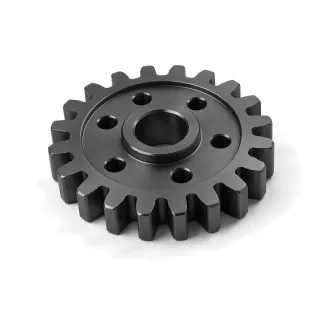 Black Nickel PlatingBlack nickel is a thin dark decorative electrodeposit, commonly applied over nickel, copper, brass, or zinc.CorrosionHardnessCost$$$
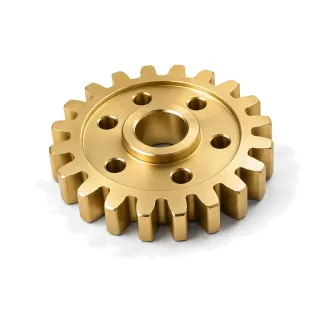 Brass PlatingBrass plating co-deposits copper and zinc to give steel, zinc die castings, or copper alloys a yellow decorative surface.CorrosionHardnessCost$$$
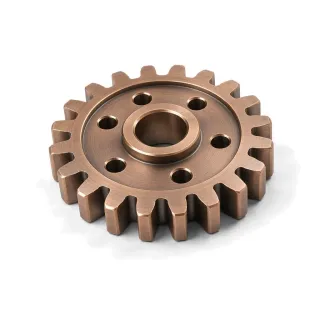 Bronze PlatingBronze plating deposits a copper-tin or related copper alloy for warm decorative color, antiquing, or selected functional bearing surfaces.CorrosionHardnessCost$$$
 Cadmium PlatingCadmium is a sacrificial, lubricious coating retained mainly for aerospace, defense, and legacy hardware.CorrosionHardnessCost$$$$
 Copper PlatingCopper plating is a conductive, ductile undercoat used for leveling, adhesion, shielding, and build-up.CorrosionHardnessCost$$
 Decorative Nickel-Chrome PlatingDecorative chrome is a multilayer system: copper when needed, one or more nickel layers, and a very thin chromium topcoat.CorrosionHardnessCost$$$
 Electroless Copper PlatingElectroless copper chemically deposits a conductive seed layer on catalyzed plastics and inside printed-circuit through-holes.CorrosionHardnessCost$$$
 Electroless Nickel PlatingElectroless nickel is an autocatalytic nickel-phosphorus coating with nearly uniform thickness on complex geometry.CorrosionHardnessCost$$$
Compare every electroplating & electroless plating finish side by side →