
PTFE Dry-Film Coating
Paint, powder & polymer coatings · Spray applied
PTFE dry-film coating is a fluoropolymer-based low-friction, non-stick coating for metal components.
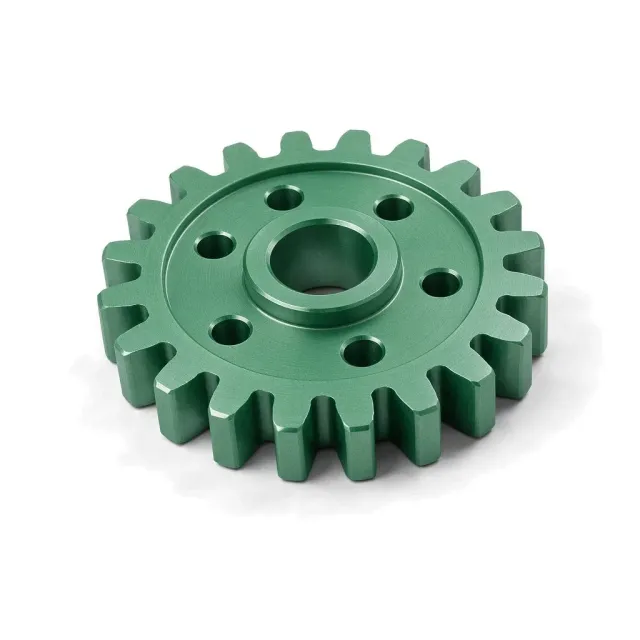
What is PTFE coating?
Teflon-class and Xylan-class systems combine fluoropolymer lubricant with binders and pigments selected for load, chemical, and temperature service.
How it works
The metal is degreased and usually grit blasted or chemically pretreated, then a primer and fluoropolymer-bearing topcoat are sprayed or otherwise applied. During cure, the binder anchors the film and fluoropolymer particles coalesce into a low-surface-energy sliding layer. Formulations differ substantially: some prioritize release, others corrosion resistance or fastener friction control. Coefficient of friction and maximum temperature therefore belong to the named product and test condition, not PTFE alone.
Why specify it
- Typical dry film is 15–50 µm
- Representative dry coefficient of friction is approximately 0.05–0.1
- Selected systems can serve to approximately 260 °C
- Low surface energy provides release and non-stick behavior
Where it falls short
- Soft film can wear through under concentrated abrasive load
- Adhesion depends on primer and substrate preparation
- Friction varies with load, speed, counterface, and product
- Thickness changes thread torque-tension behavior and fit
PTFE coating at a glance
PTFE coating is strongest on corrosion protection (78 of 100) and lubricity (95 of 100), at a premium cost. Surface hardness is not rated: the finish leaves the part's own surface.
Each score is 0–100 against every finish in this catalog. Corrosion comes from salt-spray life (ASTM B117, log scale) and hardness from the finish layer's Vickers or pencil hardness; cosmetic, lubricity and cost are FabDigit's engineering assessment. Economy on the radar is the inverse of cost.
PTFE coating key numbers
Typical values from the governing specifications and shop practice; bars are this finish against the highest value among paint, powder & polymer coatings finishes.
- Thickness
- 15–50 µm for dry-film fluoropolymer coating systems
- Corrosion (salt spray)
- 250–1,000 h per ASTM B117 on phosphated steel, 20–30 µm fluoropolymer dry film (typical, manufacturer data) — Barrier depends on pinhole count; the phosphate under it does much of the work.
- Electrical
- Insulating
- Colours
- black
- gray
- green
- blue
- custom product color
- Appearance
- Thin matte to satin film with color controlled by the proprietary formulation.
Specifications for PTFE coating
The documents a drawing cites to define this finish, with the Type / Class rows that apply. Each links to a page explaining the standard.
Drawing call-out
PTFE-BEARING DRY-FILM COATING, XYLAN-CLASS BLACK, 20–30 µm TOTAL DFT, DRY COEFFICIENT OF FRICTION 0.05–0.10 ON QUALIFIED TEST COUPLE; MASK BEARING SEATSWhich materials take PTFE coating?
Verdict per material family, with the grades that behave differently. Each family links to its datasheets in the material library.
| Material family | Verdict | Notes |
|---|---|---|
| Yes | Use a compatible primer and preparation. | |
| Yes | Mechanical preparation is normally required. | |
| Yes | Blast profile and primer govern adhesion and corrosion performance. | |
| With care | Adhesion and tarnish bleed-through require a qualified primer system. | |
| With care | Tarnish and adhesion must be validated; pretreat immediately before coating. | |
| With care | Metal AM parts can be coated after powder removal and suitable pretreatment. | |
| With care | Use a validated conversion pretreatment and coat promptly. | |
| With care | Needs mechanical profile and a compatible pretreatment. | |
| With care | Outgassing and pretreatment must be controlled. | |
| Limited | Layer lines and low-temperature polymers limit conventional oven-cured films. | |
| Limited | Porous nylon can be coated after blasting and sealing. | |
| Limited | Most baked systems exceed polymer temperature limits and add little benefit to fluoropolymer substrates. | |
| Limited | Fully post-cure first; many oven schedules exceed resin limits. | |
| Limited | Porous nylon can be coated after sealing; film build fills texture. |
How PTFE coating is applied, and what it does to the part
- 1Degrease
- 2Abrasive blast or pretreat
- 3Mask
- 4Apply primer if required
- 5Spray fluoropolymer coat
- 6Flash
- 7Cure to product data sheet
- 8Inspect thickness and friction requirement
| Dimensions | Allow 15–50 µm per coated face; on fasteners, specify the exact product and qualified torque-tension window rather than coating generically. |
|---|---|
| Build-up per side | 15–50 µm — The complete primer and topcoat stack adds its total dry-film thickness. |
| Masking | Usually needed. Mask bearing fits, electrical contacts, sealing lands, and threads unless controlled lubricity on the thread is the design intent. |
| Electrical | Insulating |
| Temperature limit | 260 °C (500 °F) continuous |
| Appearance | Thin matte to satin film with color controlled by the proprietary formulation. |
| Added lead time | 5–10 working days on top of the bare part |
Design rules for PTFE coating
What to decide on the drawing before the part goes to the finisher.
- Specify a manufacturer and product code.PTFE content, binder, cure, friction, and temperature vary widely.
- Define the friction test couple and condition.A coefficient without load, speed, and counterface is not transferable.
- Keep sharp burrs off coated edges.Thin soft film wears first at protrusions.
- State whether threads are coated or masked.A low-friction thread coating changes clamp load for a given torque.
PTFE coating versus the alternatives
Finishes engineers weigh against PTFE coating, and when each wins.
| Finish | Corrosion | Hardness | Cosmetic | Cost | Thickness | Choose it when |
|---|---|---|---|---|---|---|
PTFE coating this page | 78 | — | 45 | $$$ | 15–50 µm | — |
| 83 | 27 | 88 | $$$ | 20–30 µm | when color and harder thin-film handling are more important than maximum lubricity | |
| 71 | 61 | 50 | $$$ | 25–75 µm | when aluminum needs a harder integral wear surface |
The radar overlays PTFE coating with Cerakote, its most common alternative — chosen when color and harder thin-film handling are more important than maximum lubricity. Scores in the table are 0–100 across every finish in the catalog.
Cost, lead time and compliance
Relative cost
PTFE Dry-Film Coating is a premium-cost finish ($$$): more expensive than about 63 % of the finishes FabDigit quotes.
Finishing is priced per part with a lot minimum, from FabDigit's own China-side rates cross-checked against US job-shop pricing. The exact figure appears on the instant quote once the part is uploaded.
Lead time and compliance
| Added lead time | 5–10 working days |
|---|---|
| RoHS | Compliant |
| Notes | Confirm exact product compliance, food-contact approval where relevant, and controls for fluoropolymer processing emissions. |
What PTFE coating is used for
- Sliding guides
- Valve components
- Release surfaces
- Food-handling chutes with qualified products
- Friction-controlled fasteners
PTFE coating — frequently asked
what is PTFE dry film coating
It is a cured coating that carries PTFE or related fluoropolymer lubricant in a binder. Typical total dry-film thickness is 15–50 µm.
what is the coefficient of friction of PTFE coating
A representative dry range is about 0.05–0.1, but it is not universal. Product, load, speed, temperature, counterface, and wear state must be defined.
how hot can PTFE coating get
Selected industrial fluoropolymer systems can have maximum service near 260 °C. The exact coating data sheet controls because binders and pigments can limit the system below the polymer's theoretical capability.
does PTFE coating wear off
Yes. It is low friction but comparatively soft, and concentrated abrasive contact can wear through a 15–50 µm film. Design broad bearing area and avoid hard debris.
can PTFE coating be used on threads
Yes, and some fastener systems use it intentionally for controlled friction. The coating changes both pitch diameter and torque-tension behavior, so the exact qualified product and thickness must be specified.
Other paint, powder & polymer coatings finishes
 Anti-Fingerprint Oleophobic CoatingAnti-fingerprint oleophobic coating lowers surface energy so skin oils spread less, fingerprints appear lighter, and cleaning is easier.CorrosionHardnessCost$$$
 Electrophoretic CoatingE-coating deposits a waterborne organic film on an electrically conductive part by electrophoresis.CorrosionHardnessCost$$
 Epoxy CoatingEpoxy coating is a crosslinked protective film valued for adhesion, chemical resistance, and barrier protection.CorrosionHardnessCost$$$
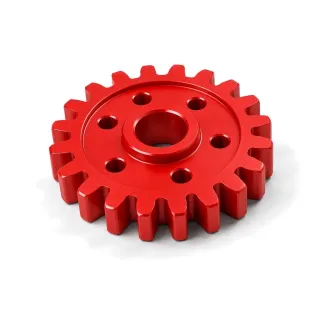 Powder CoatingPowder coating electrostatically deposits dry thermoset powder on conductive parts and melts it into a continuous film.CorrosionHardnessCost$$
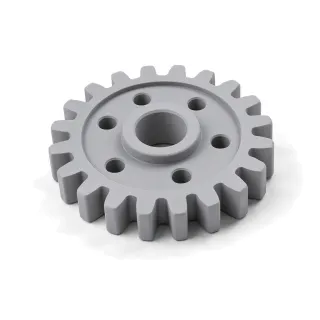 Primer CoatingPrimer coating is an intermediate film that promotes adhesion, seals porosity, levels minor defects, or improves corrosion protection before paint.CorrosionHardnessCost$$
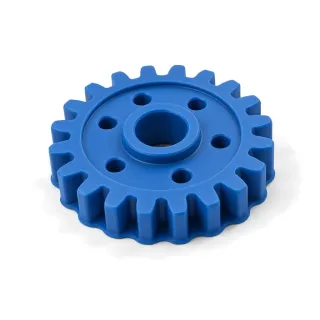 Rubberized Dip CoatingRubberized dip coating forms a thick flexible grip or protective skin on metal handles and similar parts.CorrosionHardnessCost$$
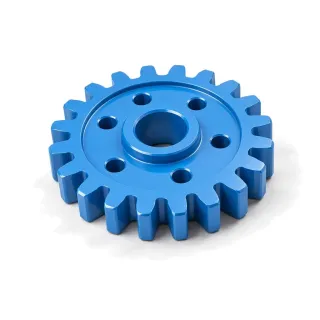 Wet PaintingWet painting atomizes a liquid resin, pigment, and solvent or water system onto prepared metal or plastic.CorrosionHardnessCost$$
Compare every paint, powder & polymer coatings finish side by side →