
Sherardized Zinc Coating
Anodizing & conversion coatings · Thermal
Sherardizing is a thermal-diffusion zinc treatment for steel fasteners and small components, standardized by ASTM A1059.
Reference page — Sherardizing is not in the instant-quote configurator. Upload the part, name the finish in the notes, and an engineer quotes it with the part.
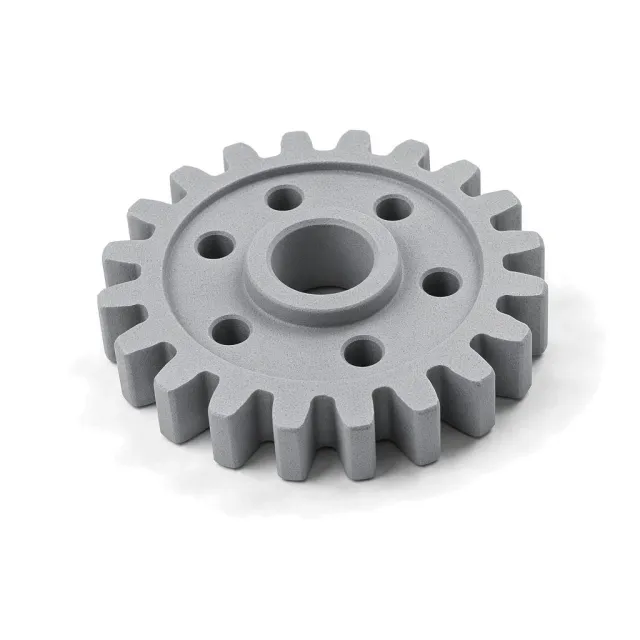
What is Sherardizing?
Zinc dust diffuses into steel in a rotating closed vessel to form a uniform 15–75 µm zinc-iron alloy coating.
How it works
Clean steel parts are tumbled with zinc dust and inert filler in a sealed drum below zinc's melting point, commonly around 320–500 °C. Zinc vapor and solid-state diffusion form zinc-iron intermetallic layers that follow threads and recesses without molten-zinc runs. A passivation or sealer may be added. The thermal cycle and coating growth must be checked for hardened fasteners.
Why specify it
- Uniform 15–75 µm diffusion coating
- Good thread and recess coverage
- Sacrificial zinc corrosion protection
- No liquid-metal drips or runs
Where it falls short
- Batch process for suitably sized steel parts
- Heat can affect high-strength fasteners
- Grey matte appearance
- Fewer suppliers than electroplating or galvanizing
Sherardizing at a glance
Sherardizing is strongest on corrosion protection (83 of 100), at a premium cost.
Each score is 0–100 against every finish in this catalog. Corrosion comes from salt-spray life (ASTM B117, log scale) and hardness from the finish layer's Vickers or pencil hardness; cosmetic, lubricity and cost are FabDigit's engineering assessment. Economy on the radar is the inverse of cost.
Sherardizing key numbers
Typical values from the governing specifications and shop practice; bars are this finish against the highest value among anodizing & conversion coatings finishes.
- Thickness
- 30–50 µm for general fastener service
- Hardness
- 250–400 HV — Typical zinc-iron intermetallic range; delta and gamma phases differ and the substrate affects the reading.
- Corrosion (salt spray)
- 500–1,000 h per ASTM B117 to red rust, typical for ISO 17668 Class 30–45 (30–45 µm) — Diffusion Zn-Fe layer; thickness class decides the result.
- Electrical
- Conductive
- Colours
- matte grey
- Appearance
- Uniform matte grey; post-passivation can alter tone slightly.
Where Sherardizing sits among all finishes
Surface hardness (Vickers, log scale) against corrosion protection (salt-spray hours, log scale) for every coating FabDigit offers, one cloud per finish group. Sherardizing is highlighted; hover a dot for its name or open the full map.
Specifications for Sherardizing
The documents a drawing cites to define this finish, with the Type / Class rows that apply. Each links to a page explaining the standard.
Drawing call-out
SHERARDIZE STEEL PARTS PER ASTM A1059, CLASS 30, 30 µm MINIMUM COATING THICKNESS; APPLY TRIVALENT PASSIVATION; THREADS SHALL ACCEPT GO GAUGE AFTER COATINGWhich materials take Sherardizing?
Verdict per material family, with the grades that behave differently. Each family links to its datasheets in the material library.
| Material family | Verdict | Notes |
|---|---|---|
| Yes | Primary substrate for fasteners and small parts.
| |
| With care | Steel AM fasteners or small parts only; confirm density and the 320–500 °C cycle against the build alloy. | |
| No | Not compatible with the steel diffusion mechanism and heat cycle. | |
| No | Brass is not sherardized. | |
| No | Sherardizing is a steel/iron zinc-diffusion process. | |
| No | Polymers cannot be sherardized. | |
| No | Process temperature and chemistry are incompatible. | |
| No | Polymers cannot be sherardized. | |
| No | Process temperature is incompatible. | |
| No | Polymers cannot be sherardized. | |
| No | Polymers cannot be sherardized. | |
| No | Sacrificial zinc is not normally selected for stainless steel. | |
| No | Titanium is incompatible with this zinc-diffusion cycle. | |
| No | The part is already a zinc alloy; this process is for steel. |
How Sherardizing is applied, and what it does to the part
- 1Degrease and blast
- 2Load with zinc dust and filler
- 3Rotate and heat below zinc melting point
- 4Cool and separate media
- 5Passivate or seal if specified
- 6Inspect thickness
| Dimensions | Allow 15–75 µm per side on fits and threads; use oversize tapping or coating-compatible thread allowances. |
|---|---|
| Build-up per side | 15–75 µm — Allow coating growth on all exposed surfaces, including threads. |
| Masking | Usually needed. Mask precision fits, grounding areas if required, and threads without coating allowance. |
| Electrical | Conductive |
| Temperature limit | 250 °C (482 °F) continuous |
| Appearance | Uniform matte grey; post-passivation can alter tone slightly. |
| Added lead time | 7–15 working days on top of the bare part |
Design rules for Sherardizing
What to decide on the drawing before the part goes to the finisher.
- Specify ASTM A1059 coating class.The process name alone does not define thickness.
- Check thread allowance after coating.Diffusion zinc reaches thread flanks uniformly.
- Review high-strength steel temper.The 320–500 °C cycle can affect properties.
- State post-treatment.Passivation or sealing changes corrosion performance.
Sherardizing versus the alternatives
Finishes engineers weigh against Sherardizing, and when each wins.
| Finish | Corrosion | Hardness | Cosmetic | Cost | Thickness | Choose it when |
|---|---|---|---|---|---|---|
Sherardizing this page | 83 | 56 | 30 | $$$ | 15–75 µm | — |
| 60 | 30 | 55 | $ | 5–25 µm | a thinner, widely available zinc finish is required | |
| 90 | 42 | 32 | $$ | 45–100 µm | a thicker outdoor structural coating is acceptable |
The radar overlays Sherardizing with Zinc Plating, its most common alternative — chosen a thinner, widely available zinc finish is required. Scores in the table are 0–100 across every finish in the catalog.
Cost, lead time and compliance
Relative cost
Sherardized Zinc Coating is a premium-cost finish ($$$): more expensive than about 67 % of the finishes FabDigit quotes.
Finishing is priced per part with a lot minimum, from FabDigit's own China-side rates. The exact figure appears on the instant quote once the part is uploaded.
Lead time and compliance
| Added lead time | 7–15 working days |
|---|---|
| RoHS | Compliant |
| Notes | Trivalent post-treatments can be RoHS-compliant; zinc dust handling and spent media require controls. |
What Sherardizing is used for
- Threaded fasteners
- Washers
- Chain components
- Marine hardware
Sherardizing — frequently asked
What is sherardizing?
It is a zinc thermal-diffusion process performed in a rotating sealed vessel below zinc's melting point. It forms a zinc-iron alloy layer rather than a free zinc electroplate.
How thick is sherardized zinc?
ASTM A1059 systems commonly use classes within roughly 15–75 µm. A 30–50 µm requirement is typical for general fastener work.
Sherardizing vs hot-dip galvanizing: what is the difference?
Sherardizing diffuses zinc below its melting point and gives uniform thread coverage without drips. Hot-dip galvanizing immerses steel in molten zinc and is usually thicker.
Is sherardizing suitable for high-strength bolts?
It avoids electroplating hydrogen charging, but its 320–500 °C heat can affect temper. The fastener grade and thermal history must be approved.
What does ASTM A1059 cover?
ASTM A1059 specifies zinc-alloy thermo-diffusion coatings on iron and steel products. The drawing should state the required class, post-treatment, and thread acceptance.
Other anodizing & conversion coatings finishes
 Anodizing Type IIType II sulfuric anodizing converts aluminum into a porous aluminum-oxide coating that can be clear or dyed.CorrosionHardnessCost$$
 Boric-Sulfuric Acid Anodizing Type ICBoric-sulfuric acid anodizing is a thin aerospace aluminum anodize recognized as MIL-A-8625 Type IC.CorrosionHardnessCost$$$
 Chemical Conversion CoatingChem film is a thin chemical conversion coating for aluminum that improves corrosion resistance while retaining useful electrical conductivity.CorrosionHardnessCost$
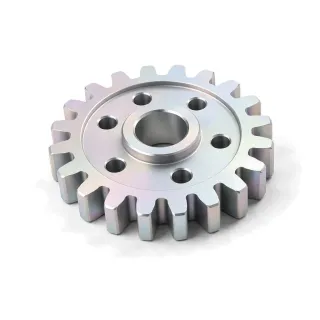 Chromic Acid Anodizing Type IType I and low-voltage Type IB chromic-acid anodizing form thin, corrosion-resistant oxide on aluminum with less fatigue penalty than thick sulfuric anodize.CorrosionHardnessCost$$$
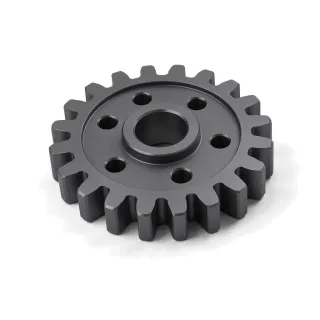 Hard Anodizing Type IIIType III hard anodizing forms a thick, dense aluminum-oxide layer for sliding, abrasive, and high-load service.CorrosionHardnessCost$$$
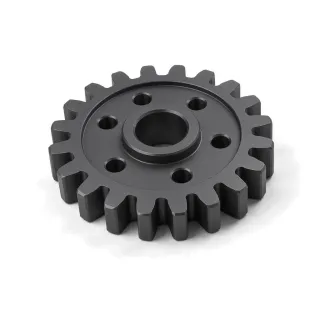 Hard Anodizing Type III With PTFEPTFE hard anodize combines a 25–75 µm Type III oxide with a fluoropolymer impregnation or post-treatment to reduce friction.CorrosionHardnessCost$$$
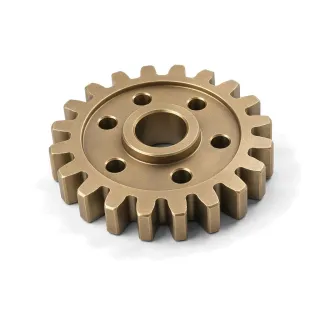 Magnesium Chemical Conversion CoatingMagnesium conversion coating reacts with magnesium alloys to improve corrosion resistance and paint adhesion with minimal buildup.CorrosionHardnessCost$$$
 Nitriding and QPQNitriding diffuses nitrogen into steel to create a hard wear-resistant case without depositing a conventional coating.CorrosionHardnessCost$$$$
Compare every anodizing & conversion coatings finish side by side →