
UV-Cured Coating
Coatings for plastics · Spray applied
UV-cured coating is a clear or pigmented liquid film polymerized rapidly by ultraviolet light.
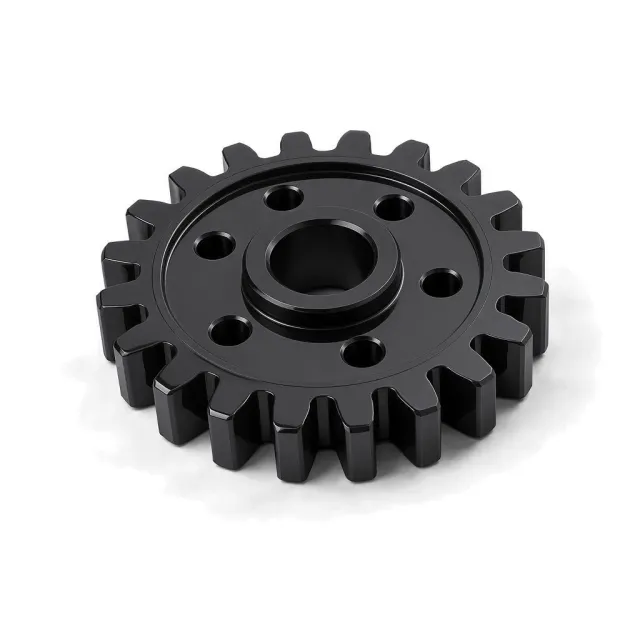
What is UV coating?
It is used on plastic housings and lenses for gloss, scratch resistance, stain resistance, and rapid production cure.
How it works
A formulated liquid containing oligomers, reactive diluents, additives, and photoinitiator is sprayed or flowed onto a clean plastic surface. Ultraviolet energy activates the photoinitiator and crosslinks exposed film within seconds. Lamp spectrum, dose, distance, oxygen inhibition, pigment, and part geometry control cure. Deep undercuts and shadowed faces may remain undercured unless the process uses multiple lamps, part rotation, or a dual-cure chemistry.
Why specify it
- Typical plastic topcoat is 10–30 µm
- Cures in seconds under the qualified UV dose
- Can improve scratch and stain resistance
- Provides clear high-gloss or controlled matte appearance
Where it falls short
- Shadowed geometry may remain undercured
- Some resins stress-crack under coating solvent or cure shrinkage
- A hard film can craze on flexible parts
- Outdoor yellowing depends on the exact resin and stabilizer package
UV coating at a glance
UV coating is strongest on cosmetic quality (90 of 100), at a standard cost. Surface hardness is not rated: the finish leaves the part's own surface.
Each score is 0–100 against every finish in this catalog. Corrosion comes from salt-spray life (ASTM B117, log scale) and hardness from the finish layer's Vickers or pencil hardness; cosmetic, lubricity and cost are FabDigit's engineering assessment. Economy on the radar is the inverse of cost.
UV coating key numbers
Typical values from the governing specifications and shop practice; bars are this finish against the highest value among coatings for plastics finishes.
- Thickness
- 10–30 µm on molded or printed polymer
- Electrical
- Insulating
- Colours
- clear
- custom tint
- custom color
- Appearance
- Usually clear and high gloss, with matte grades available; substrate defects remain visible.
Specifications for UV coating
The documents a drawing cites to define this finish, with the Type / Class rows that apply. Each links to a page explaining the standard.
Drawing call-out
CLEAR UV-CURED ACRYLATE TOPCOAT, 15–25 µm DFT, 85–95 GU AT 60°; FULL CURE ON ALL VISIBLE SURFACES; MASK SNAP HOOKS AND BOND AREASWhich materials take UV coating?
Verdict per material family, with the grades that behave differently. Each family links to its datasheets in the material library.
| Material family | Verdict | Notes |
|---|---|---|
| Yes | Common over conversion coating, anodize, or primer. | |
| Yes | Common clear or tinted topcoat after blast and seal. | |
| Yes | Resin, stress state, and surface energy require qualification.
| |
| Yes | Common clear or tinted topcoat after blast and seal. | |
| Yes | Common over phosphate, primer, or cleaned bare steel. | |
| With care | Clean tarnish and qualify adhesion. | |
| With care | Seal porosity and verify matrix compatibility. | |
| With care | Clean tarnish and qualify adhesion; some solvents stain copper. | |
| With care | Shadowed layer valleys can remain undercured; seal and orient for lamp access. | |
| With care | Needs conversion coating or primer before an organic film. | |
| With care | Fully post-cure and verify adhesion to the resin. | |
| With care | Needs mechanical or chemical activation for adhesion. | |
| With care | Needs activation or primer for organic films. | |
| With care | Needs conversion coating or primer; some solvents attack zinc. | |
| Limited | Only as an appearance film; metal AM usually uses metal finishes. |
How UV coating is applied, and what it does to the part
- 1Clean
- 2Activate or prime if required
- 3Mask
- 4Apply coating
- 5Flash if required
- 6Expose to qualified UV dose
- 7Post-cure if specified
- 8Inspect cure, gloss, and adhesion
| Dimensions | Allow 10–30 µm per coated face and avoid coating snap hooks or tight sliding fits without validation. |
|---|---|
| Build-up per side | 10–30 µm — Adds its cured dry-film thickness to exposed faces. |
| Masking | Usually needed. Mask threads, snaps, optical zones not included in the qualification, adhesive areas, and contacts. |
| Electrical | Insulating |
| Appearance | Usually clear and high gloss, with matte grades available; substrate defects remain visible. |
| Added lead time | 2–5 working days on top of the bare part |
Design rules for UV coating
What to decide on the drawing before the part goes to the finisher.
- Give every coated face direct lamp exposure.UV cannot cure a coating hidden in a geometric shadow.
- Qualify solvent stress cracking on the molded resin.PC, ABS blends, and residual molding stress can craze.
- Specify UV dose and lamp spectrum in the process plan.Time alone does not define cure energy.
- Keep film off flexing snap roots.A hard 10–30 µm coating can crack during assembly.
UV coating versus the alternatives
Finishes engineers weigh against UV coating, and when each wins.
| Finish | Corrosion | Hardness | Cosmetic | Cost | Thickness | Choose it when |
|---|---|---|---|---|---|---|
UV coating this page | 25 | — | 90 | $$ | 10–30 µm | — |
| 20 | 12 | 85 | $$ | 15–50 µm | when a non-UV cure route is required | |
| 59 | 10 | 90 | $$ | 20–80 µm | when opaque color matching is the primary requirement |
The radar overlays UV coating with Clear Coating, its most common alternative — chosen when a non-UV cure route is required. Scores in the table are 0–100 across every finish in the catalog.
Cost, lead time and compliance
Relative cost
UV-Cured Coating is a standard-cost finish ($$): cheaper than about 60 % of the finishes FabDigit quotes.
Finishing is priced per part with a lot minimum, from FabDigit's own China-side rates. The exact figure appears on the instant quote once the part is uploaded.
Lead time and compliance
| Added lead time | 2–5 working days |
|---|---|
| RoHS | Compliant |
| Notes | Low-solvent formulations are available; confirm uncured acrylate handling and exact product compliance. |
What UV coating is used for
- High-gloss bezels
- Appliance buttons
- Cosmetic caps
- Display windows with qualified chemistry
- Decorative printed parts
UV coating — frequently asked
how thick is UV coating on plastic
A typical engineered film is 10–30 µm. Specify dry-film thickness because gloss alone does not control buildup or cure.
how fast does UV coating cure
Exposed film can crosslink in seconds under a qualified lamp dose. Shadowed regions may not cure at all without part rotation, multiple lamps, or dual-cure chemistry.
does UV coating prevent scratches
It can improve scratch and stain resistance compared with uncoated plastic, but it is not scratch-proof. Hardness must be balanced against cracking on flexible parts.
can UV coating be used on polycarbonate
Yes, with a chemistry qualified for polycarbonate. Solvent attack and molded-in stress can cause crazing, so test production-grade parts.
does UV coating turn yellow
Some formulations yellow under heat or outdoor ultraviolet exposure while stabilized grades perform better. The exact resin, photoinitiator, thickness of 10–30 µm, and exposure determine color stability.
Other coatings for plastics finishes
 Conductive CoatingConductive coating is a metal-, carbon-, or graphite-filled binder that gives a nonconductive surface controlled electrical conductivity.CorrosionHardnessCost$$$
 EMI Shielding CoatingEMI shielding coating is a conductive metal-filled paint applied mainly to the inside of nonconductive enclosures.CorrosionHardnessCost$$$$
 Hydrophobic Nano-CoatingHydrophobic nano-coating is an ultrathin water-repellent treatment that lowers surface energy so droplets bead and shed.CorrosionHardnessCost$$
 Soft-Touch CoatingSoft-touch coating is a flexible polyurethane-class finish that gives rigid plastic a warm, rubber-like tactile feel and improved grip.CorrosionHardnessCost$$$