
Hydrophobic Nano-Coating
Coatings for plastics · Spray applied
Hydrophobic nano-coating is an ultrathin water-repellent treatment that lowers surface energy so droplets bead and shed.
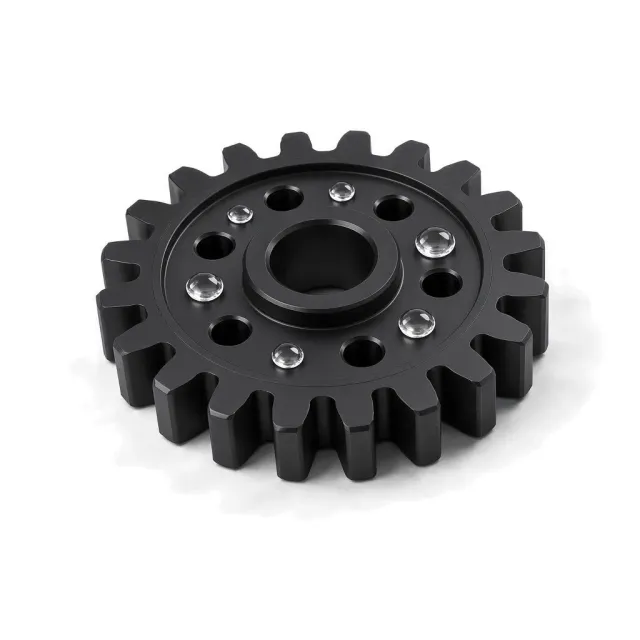
What is Hydrophobic coat?
It can reduce wetting and moisture ingress on complex parts, but it does not make an unsealed assembly waterproof.
How it works
A low-surface-energy silane, fluorinated, silicone, or hybrid chemistry is sprayed, dipped, or vapor deposited onto a clean dry surface. Molecules bond to or form a very thin film over the substrate, increasing water contact angle and reducing capillary wetting. Coverage must be continuous around pores and edges, yet the layer is too thin to bridge gaps, close seams, or correct porous bulk structure. Abrasion, detergent, ultraviolet exposure, and handling oils gradually reduce repellency.
Why specify it
- Adds water repellency with minimal dimensional change
- Can reach complex external geometry
- Usually preserves appearance
- Reduces wetting and contamination adhesion
Where it falls short
- Does not seal joints, open pores, cracks, or connector paths
- Thin treatment wears off under abrasion and cleaning
- Adhesive bonding and painting may fail on treated areas
- Performance needs a named contact-angle and durability test
Hydrophobic coat at a glance
Hydrophobic coat is a middle-of-the-range finish; its best score is lubricity (45 of 100), at a standard cost. Surface hardness is not rated: the finish leaves the part's own surface.
Each score is 0–100 against every finish in this catalog. Corrosion comes from salt-spray life (ASTM B117, log scale) and hardness from the finish layer's Vickers or pencil hardness; cosmetic, lubricity and cost are FabDigit's engineering assessment. Economy on the radar is the inverse of cost.
Hydrophobic coat key numbers
Typical values from the governing specifications and shop practice; bars are this finish against the highest value among coatings for plastics finishes.
- Electrical
- Unchanged
- Colours
- clear
- Appearance
- Usually visually clear with little gloss change; porous surfaces can darken or become uneven.
Specifications for Hydrophobic coat
The documents a drawing cites to define this finish, with the Type / Class rows that apply. Each links to a page explaining the standard.
Drawing call-out
APPLY CLEAR HYDROPHOBIC NANO-COATING TO ALL EXTERIOR SURFACES EXCEPT MASKED AREAS; WATER CONTACT ANGLE AND ABRASION RETENTION PER APPROVED PRODUCT SPECIFICATION; MASK BOND, CONTACT, AND OPTICAL SURFACESWhich materials take Hydrophobic coat?
Verdict per material family, with the grades that behave differently. Each family links to its datasheets in the material library.
| Material family | Verdict | Notes |
|---|---|---|
| Yes | Common on anodized or cleaned aluminum after a named product qualification. | |
| Yes | Surface activation and chemistry depend on polymer. | |
| Yes | Clean and fully post-cure before treatment. | |
| With care | Clean tarnish and qualify adhesion. | |
| With care | Open porosity may remain a leak path. | |
| With care | Clean tarnish and qualify adhesion; some solvents stain copper. | |
| With care | Can reduce wetting; it does not close AM porosity. | |
| With care | Open porosity still leaks; the film is not a sealant. | |
| With care | Needs conversion coating or primer before an organic film. | |
| With care | Needs mechanical or chemical activation for adhesion. | |
| With care | Does not replace a corrosion coating on carbon steel. | |
| With care | Needs activation or primer for organic films. | |
| With care | Needs conversion coating or primer; some solvents attack zinc. | |
| Limited | Bulk porosity and seams remain. | |
| Limited | Water repellency does not make porous SLS nylon pressure-tight. |
How Hydrophobic coat is applied, and what it does to the part
- 1Clean
- 2Dry completely
- 3Mask
- 4Activate if required
- 5Apply named treatment
- 6Drain or flash
- 7Cure
- 8Test water repellency and assembly ingress
| Dimensions | Treat as negligible buildup only after the named chemistry is selected; never use it to compensate for a leaking gap or porous wall. |
|---|---|
| Build-up per side | — — Usually dimensionally negligible, but the named product must define film behavior. |
| Masking | Usually needed. Mask adhesive, paint, solder, optical, gasket-friction, electrical-contact, and fluid-wetting surfaces. |
| Electrical | Unchanged |
| Appearance | Usually visually clear with little gloss change; porous surfaces can darken or become uneven. |
| Added lead time | 2–6 working days on top of the bare part |
Design rules for Hydrophobic coat
What to decide on the drawing before the part goes to the finisher.
- Design seals and enclosure ingress protection independently.Hydrophobic chemistry cannot close a mechanical leak path.
- Mask every later bond or paint area.Low surface energy defeats adhesion.
- Require repellency after abrasion and cleaning.Initial droplet beading does not prove service durability.
- Define a named product and contact-angle method.The term nano-coating covers incompatible chemistries and thicknesses.
Hydrophobic coat versus the alternatives
Finishes engineers weigh against Hydrophobic coat, and when each wins.
| Finish | Corrosion | Hardness | Cosmetic | Cost | Thickness | Choose it when |
|---|---|---|---|---|---|---|
Hydrophobic coat this page | 25 | — | 20 | $$ | — | — |
| 20 | 12 | 85 | $$ | 15–50 µm | when a measurable protective film and gloss control are required | |
| 30 | — | 55 | $$$ | ≥ 0 µm | when porous printed material must become pressure-tight |
The radar overlays Hydrophobic coat with Clear Coating, its most common alternative — chosen when a measurable protective film and gloss control are required. Scores in the table are 0–100 across every finish in the catalog.
Cost, lead time and compliance
Relative cost
Hydrophobic Nano-Coating is a standard-cost finish ($$): cheaper than about 60 % of the finishes FabDigit quotes.
Finishing is priced per part with a lot minimum, from FabDigit's own China-side rates. The exact figure appears on the instant quote once the part is uploaded.
Lead time and compliance
| Added lead time | 2–6 working days |
|---|---|
| RoHS | Compliant |
| Notes | Confirm exact chemistry; some fluorinated formulations may face substance restrictions beyond baseline RoHS. |
What Hydrophobic coat is used for
- Electronic covers
- Sensor housings
- Wearable prototypes
- Moisture-shedding fixtures
- Contamination-resistant surfaces
Hydrophobic coat — frequently asked
does hydrophobic coating make a part waterproof
No. It reduces wetting, but it cannot close seams, cracks, connector gaps, or porous walls. Waterproofing requires enclosure and seal design plus an ingress test.
how thick is nano coating
There is no defensible class-wide thickness because silane monolayers, sprayed hybrids, and thicker conformal products are all marketed this way. Use the named product specification.
how long does hydrophobic coating last
Life depends on abrasion, detergent, ultraviolet exposure, and chemistry. Require contact angle or water-shedding performance after a defined aging and wear cycle.
can you glue over hydrophobic coating
Usually not reliably. The low-surface-energy treatment that repels water also reduces adhesive wetting, so bond areas should be masked.
hydrophobic coating vs conformal coating
Hydrophobic treatment mainly reduces wetting and may have negligible buildup. Conformal coating forms a measurable protective film over electronics and can provide a more substantial environmental barrier.
Other coatings for plastics finishes
 Conductive CoatingConductive coating is a metal-, carbon-, or graphite-filled binder that gives a nonconductive surface controlled electrical conductivity.CorrosionHardnessCost$$$
 EMI Shielding CoatingEMI shielding coating is a conductive metal-filled paint applied mainly to the inside of nonconductive enclosures.CorrosionHardnessCost$$$$
 Soft-Touch CoatingSoft-touch coating is a flexible polyurethane-class finish that gives rigid plastic a warm, rubber-like tactile feel and improved grip.CorrosionHardnessCost$$$
 UV-Cured CoatingUV-cured coating is a clear or pigmented liquid film polymerized rapidly by ultraviolet light.CorrosionHardnessCost$$