
Plating & metallizing · finish comparison
Zinc-Nickel Plating vs Zinc Plating
Zinc-Nickel Plating and Zinc Plating are both electroplating & electroless plating finishes; zinc-nickel resists corrosion better (720–1,000 h vs 96–300 h salt spray).
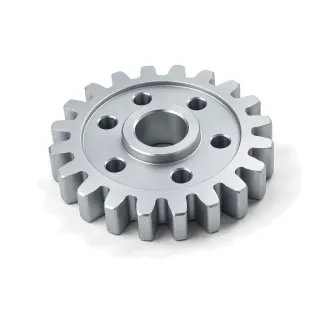
Zinc-Nickel Plating
Electroplating & electroless plating · $$ · instant quote
Zinc-nickel is a sacrificial alloy electrodeposit used on steel where plain zinc is insufficient.
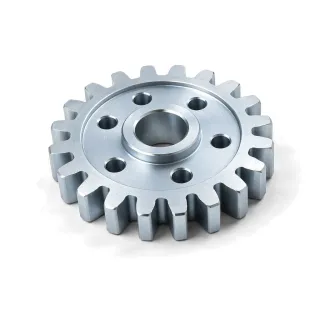
Zinc Plating
Electroplating & electroless plating · $ · instant quote
Electrolytic zinc is a thin sacrificial coating for carbon steel hardware and parts.
When to choose which
Choose Zinc-nickel
Choose Zinc-nickel when substantially longer salt-spray life is required.
- Typically 720–1000 h to red rust for qualified 12–15% Ni systems
- Only 5–15 µm metallic deposit for precision steel parts
- Better heat and corrosion performance than plain zinc
Choose Zinc plate
Choose Zinc plate when moderate corrosion performance and lowest cost govern.
- Low-cost sacrificial protection for steel
- SC1–SC4 provide 5, 8, 13, or 25 µm minimum zinc
- Rack or barrel processing supports both precision parts and fasteners
What the numbers say
- Zinc-nickel resists corrosion better (720–1,000 h vs 96–300 h salt spray).
- Zinc-nickel is the harder surface (350–500 HV vs 40–100 HV).
- Zinc plate is the lower-cost option ($).
- Zinc-nickel is the thinner coating (5–15 µm), so it disturbs tight fits less.
- Zinc-nickel tolerates more heat (120 °C continuous).
Buyer's decision notes
Plain zinc is the cost-focused sacrificial plate for ordinary steel hardware and controlled indoor or moderate exposure. Zinc-nickel is the higher-performance plated system when the customer specification, severe environment or compact fastener stack justifies the alloy deposit and tighter process controls.
- Deposit and topcoat
- Do not quote either process from the metal name alone. The conversion coating, sealer, color and organic topcoat can change corrosion behavior, friction and appearance, and ASTM B841 defines zinc-nickel coating and conversion-coating types separately.
- Fastener behavior
- For threaded hardware, validate torque-tension behavior with the specified sealer or lubricant. A corrosion upgrade that changes friction can change clamp load even when thread dimensions still pass.
- Geometry and contacts
- Both are electroplated, so current density, racking and part nesting affect coverage. Identify significant surfaces, thread acceptance, electrical grounds and rack-contact locations rather than expecting uniform thickness everywhere.
- Qualification limits
- Specify whether acceptance concerns white corrosion products, base-metal corrosion, adhesion or appearance. Salt spray verifies the specified coating system under a laboratory exposure; it does not predict vehicle, marine or outdoor lifetime.
Put this on the RFQ
- Name ASTM B633 or B841, coating thickness or class, conversion-coating type, color, sealer and lubricant.
- Provide steel grade, strength or hardness and mandatory stress-relief, bake and hydrogen-embrittlement verification requirements.
- For fasteners, add thread gauge condition, torque-tension window and whether the acceptance test uses production parts or test panels.
Primary references
- ASTM — B841 — Active specification for electrodeposited zinc-nickel alloy coatings and their conversion-coating types.
- ASTM — B633 — Active specification for electrodeposited zinc coatings on iron and steel.
FabDigit resources: Zinc-nickel datasheet · Zinc plate datasheet · surface finish selection guide
Scores side by side
Each score is 0–100 against every finish in this catalog. Corrosion is derived from salt-spray test duration and surface hardness from the finish layer's Vickers hardness where a measured figure exists; a finish that leaves the base metal's own surface is not rated for hardness. Cosmetic, lubricity and cost are FabDigit's engineering assessment. Scores and typical figures are screening data, not matched side-by-side tests or service-life rankings; ASTM B117 is a controlled salt-fog method, not a field-life prediction.
| Score | Zinc-nickel | Zinc plate |
|---|---|---|
| Corrosion resistance | 86 Excellent | 60 Good |
| Surface hardness / wear | 60 Good | 30 Low |
| Cosmetic quality | 48 Fair | 55 Good |
| Lubricity | 28 Low | 25 Low |
| Cost | 30 $$ | 12 $ |
Key numbers
| Property | Zinc-nickel | Zinc plate |
|---|---|---|
| Thickness | 5–15 µm | 5–25 µm |
| Surface hardness | 350–500 HV | 40–100 HV |
| Salt-spray test duration | 720–1,000 h | 96–300 h |
| Max service temperature | 120 °C | 80 °C |
| Electrical | Conductive | Conductive |
| Colours | clear, black | clear blue, yellow iridescent, black, olive drab |
| Relative cost | Standard ($$) | Budget ($) |
| Added lead time | 3–7 working days | 2–5 working days |
| RoHS | Compliant | Compliant |
| Instant quote | Yes | Yes |
Bold marks the side that is ahead on a row where more (or less, for cost and lead time) is better. Ranges are the typical specification window; the drawing call-out fixes the class.
Which materials take each finish
| Material family | Zinc-nickel | Zinc plate |
|---|---|---|
| Steel | Yes | Yes |
| DMLS / SLM | With care | With care |
| Aluminum | Limited | Limited |
| Brass | Limited | Limited |
| Copper Alloy | Limited | Limited |
| Stainless Steel | Limited | Limited |
| Zinc Alloy | Limited | Limited |
Specifications and drawing call-outs
Zinc-nickel
- ASTM B841 — Standard Specification for Electrodeposited Coatings of Zinc Nickel Alloy Deposits
ZINC-NICKEL PLATE PER ASTM B841, 12–15% Ni, 10 µm MIN, CLEAR TRIVALENT PASSIVATE AND SEALER; BAKE PER ASTM B850
Zinc plate
- ASTM B633 — Standard Specification for Electrodeposited Coatings of Zinc on Iron and Steel
ZINC PLATE PER ASTM B633, SC3, TYPE V, CLEAR TRIVALENT PASSIVATE; 13 µm MIN; BAKE PER ASTM B850 WITHIN 1 H OF PLATING
Zinc-nickel vs Zinc plate — frequently asked
What is the difference between Zinc-nickel and Zinc plate?
Zinc-Nickel Plating and Zinc Plating are both electroplating & electroless plating finishes; zinc-nickel resists corrosion better (720–1,000 h vs 96–300 h salt spray). Zinc-nickel is the harder surface (350–500 HV vs 40–100 HV). Zinc plate is the lower-cost option ($).
When should I use Zinc-nickel instead of Zinc plate?
Choose Zinc-nickel when substantially longer salt-spray life is required. Conversely: choose Zinc plate when moderate corrosion performance and lowest cost govern.
Is Zinc-nickel or Zinc plate cheaper?
Zinc plate is the lower-cost finish ($ against $$ for Zinc-nickel) among the finishes FabDigit quotes. Both are priced per part with a lot minimum; the exact figure appears on the instant quote once the part is uploaded.
Which lasts longer in salt spray, Zinc-nickel or Zinc plate?
Zinc-nickel. Zinc-nickel is rated 720–1,000 h and Zinc plate 96–300 h in neutral salt spray (ASTM B117 or the qualification hours of the governing specification). The figures are for the finish as specified on a clean, properly pre-treated substrate; sealing, thickness class and substrate alloy move them.