
Plating & metallizing
A metal layer deposited onto the part — zinc, nickel, chrome, tin, silver, gold on metals; chrome and vacuum metal on plastics.
Electroplating & electroless plating
A metal layer deposited from solution — zinc, nickel, chrome, tin, silver, gold. Corrosion, wear, conductivity or looks.
| Finish | Suitable materials | Thickness (µm) | Hardness (HV) | Salt spray (h) | Max temp (°C) | Electrical | Relative cost |
|---|---|---|---|---|---|---|---|
 Black Nickel Plating Black nickel is a thin dark decorative electrodeposit, commonly applied over nickel, copper, brass, or zinc. | BrassCopper Alloy 9 more materials
| 0.5–2 | — | — | — | Conductive | $$$Premium |
 Brass Plating Brass plating co-deposits copper and zinc to give steel, zinc die castings, or copper alloys a yellow decorative surface. | BrassCopper AlloySteel 8 more materials
| 2–10 | 100–250 | — | — | Conductive | $$$Premium |
 Bronze Plating Bronze plating deposits a copper-tin or related copper alloy for warm decorative color, antiquing, or selected functional bearing surfaces. | BrassCopper AlloySteel 8 more materials
| 2–10 | 120–350 | — | — | Conductive | $$$Premium |
 Cadmium Plating Cadmium is a sacrificial, lubricious coating retained mainly for aerospace, defense, and legacy hardware. | Aluminum (limited)Brass (limited)Copper Alloy (limited) 3 more materials
| 5–13 | 40–60 | 200–500 | 230 | Conductive | $$$$High |
 Copper Plating Copper plating is a conductive, ductile undercoat used for leveling, adhesion, shielding, and build-up. | BrassCopper AlloySteel 8 more materials
| 5–30 | 50–250 | — | — | Conductive | $$Standard |
 Decorative Nickel-Chrome Plating Decorative chrome is a multilayer system: copper when needed, one or more nickel layers, and a very thin chromium topcoat. | BrassCopper AlloySteel 8 more materials
| 0.3–1 | 700–1,000 | 96–500 | — | Conductive | $$$Premium |
 Electroless Copper Plating Electroless copper chemically deposits a conductive seed layer on catalyzed plastics and inside printed-circuit through-holes. | Aluminum (limited)Brass (limited)Ceramic (with care) 11 more materials
| 0.2–5 | 80–200 | — | — | Conductive | $$$Premium |
 Electroless Nickel Plating Electroless nickel is an autocatalytic nickel-phosphorus coating with nearly uniform thickness on complex geometry. | BrassCopper AlloyStainless Steel 8 more materials
| 5–75 | 450–1,000 | 100–1,000 | 250 | Conductive | $$$Premium |
 Electrolytic Nickel Plating Electrolytic nickel provides a bright decorative surface, corrosion barrier, wear layer, or undercoat for chromium and precious metals. | BrassCopper AlloySteel 8 more materials
| 5–25 | 150–600 | 48–200 | — | Conductive | $$Standard |
 Gold Plating Gold plating supplies tarnish-free, low-resistance contact surfaces and decorative color. | BrassCopper AlloyNickel Alloy 9 more materials
| 0.5–5 | 60–200 | — | — | Conductive | $$$$High |
 Hard Chrome Plating Hard chrome is a thick engineering chromium deposit for wear, low friction, and dimensional restoration. | Steel 7 more materials
| 10–500 | 850–1,050 | 24–96 | 400 | Conductive | $$$$High |
 Hot-Dip Galvanizing Hot-dip galvanizing immerses fabricated steel or hardware in molten zinc to form a thick sacrificial alloy coating. | Steel | 45–100 | 70–250 | 800–1,500 | 200 | Conductive | $$Standard |
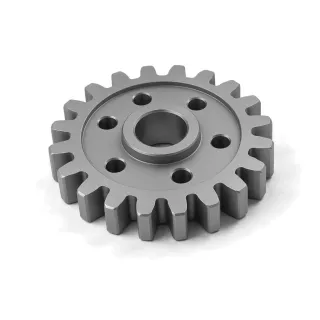 Nickel-PTFE Composite Plating Nickel-PTFE is an electroless nickel matrix with co-deposited PTFE particles for low friction and release. | BrassCopper AlloyStainless Steel 8 more materials
| 10–25 | 250–500 | — | 260 | Semi-conductive | $$$$High |
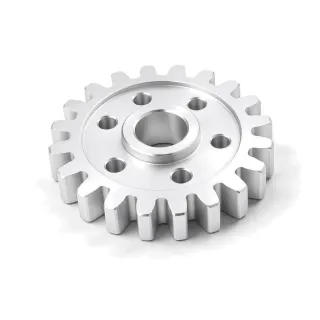 Silver Plating Silver plating provides the highest electrical and thermal conductivity of common plated metals. | BrassCopper AlloyNickel Alloy 9 more materials
| 5–20 | 60–200 | — | — | Conductive | $$$$High |
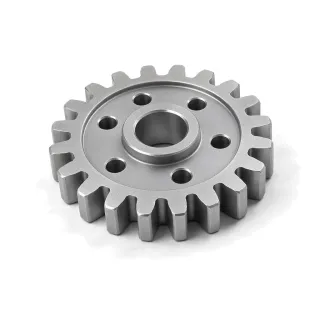 Solder Alloy Plating Solder plating deposits tin-lead or lead-free tin-alloy material on terminals, busbars, lids, and machined electronic parts to provide a controlled solderable surface. | BrassCopper Alloy 5 more materials
| 5–25 | 10–30 | — | — | Conductive | $$Standard |
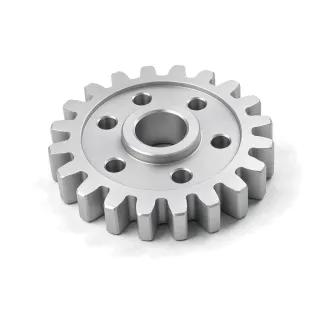 Tin Plating Tin plating is a soft, solderable electrodeposit for copper-alloy and steel electrical parts. | BrassCopper Alloy 5 more materials
| 3–15 | 5–20 | 24–48 | 150 | Conductive | $$Standard |
 Zinc Plating Electrolytic zinc is a thin sacrificial coating for carbon steel hardware and parts. | Steel 6 more materials
| 5–25 | 40–100 | 96–300 | 80 | Conductive | $Budget |
 Zinc-Flake Dip-Spin Coating Zinc-flake is a non-electrolytic zinc/aluminum-flake basecoat, often with a topcoat, for fasteners and high-strength steel. | Steel DMLS / SLM (limited)Stainless Steel (limited) | 6–15 | — | 600–1,000 | 180 | Insulating | $$$Premium |
 Zinc-Nickel Plating Zinc-nickel is a sacrificial alloy electrodeposit used on steel where plain zinc is insufficient. | Steel 6 more materials
| 5–15 | 350–500 | 720–1,000 | 120 | Conductive | $$Standard |
Plating & metallizing on plastics
Metal on a non-conductive part — vacuum metallizing, chrome on ABS, electroless on prints. Reflectivity, EMI, looks.
| Finish | Suitable materials | Thickness (µm) | Hardness (HV) | Salt spray (h) | Max temp (°C) | Electrical | Relative cost |
|---|---|---|---|---|---|---|---|
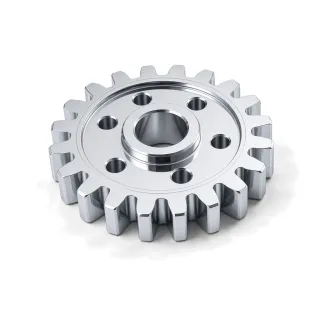 Chrome Plating on Plastic Plastic chrome is a Cu-Ni-Cr decorative plating stack on plating-grade ABS or PC-ABS. | Polymer FDM (limited) | 20–50 | 700–1,000 | — | 90 | Conductive | $$$$High |
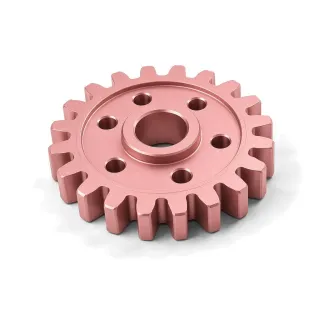 Electroless Plating on Plastic Electroless plating deposits nickel or copper uniformly on catalytically activated plastics and sealed 3D prints without external current. | Polymer 5 more materials
| 5–15 | 80–150 | — | 100 | Conductive | $$$$High |
 Vacuum Metallization Vacuum metallization evaporates aluminum or another metal onto prepared plastic to create a reflective or conductive-looking film. | PolymerSLA 5 more materials
| 0.05–1 | — | — | 80 | Conductive | $$$$High |
Ranges depend on the substrate and process specification. Open a finish for test conditions and design limits. A dash means no value is listed.
Where plating finishes sit
Corrosion protection and surface hardness across the finish library. Click a dot to open its page.
Scores use salt-spray hours and Vickers hardness, both on log scales. Other groups appear as outlines. 3 of the 22 finishes here add no hardness of their own and are not placed.