
Marking, decoration & colour
Serials, logos, labels and colour — laser, pad and screen print, hot stamp, IMD/IML, engraving, dyeing.
Marking & decoration
Serials, logos, labels and colour — laser, pad print, screen print, hot stamp, IMD/IML, engraving, stamping.
| Finish | Suitable materials | Thickness (µm) | Electrical | Lead time (days) | Relative cost |
|---|---|---|---|---|---|
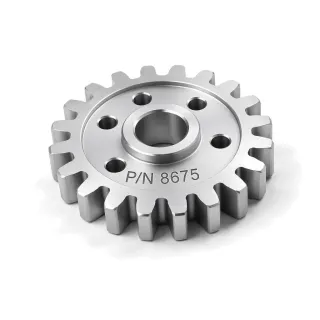 Chemical Etching Chemical etching uses a patterned resist and material-specific etchant to recess graphics or create a frosted contrast. | AluminumBrassCopper Alloy 7 more materials
| 5–100 | Unchanged | 4–8 | $$$Premium |
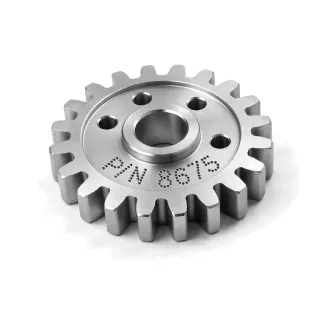 Dot Peen Marking Dot peen marking uses a controlled stylus to build characters and Data Matrix symbols from small permanent indentations. | AluminumBrassStainless Steel 6 more materials
| 50–500 | Unchanged | 1–2 | $Budget |
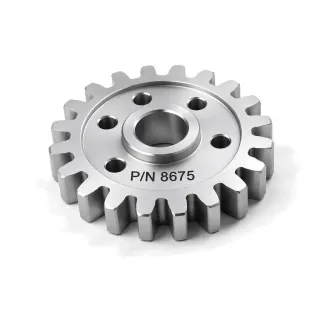 Electrochemical Etching Electrochemical etching makes a localized permanent mark on an electrically conductive part through a stencil and electrolyte. | BrassStainless SteelSteel 5 more materials
| 2–25 | Unchanged | 1–3 | $$Standard |
 Embossing and Debossing Embossing raises artwork above a surface, while debossing recesses it through forming dies or molded tool geometry. | AluminumBrassCopper Alloy 7 more materials
| 200–1,000 | Unchanged | 7–20 | $$$Premium |
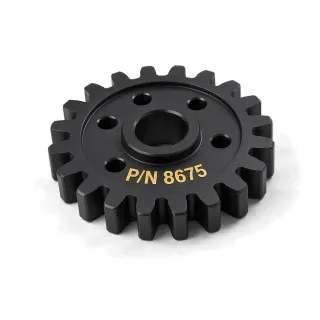 Hot Stamping Hot stamping uses a heated die to transfer pigmented or metallic foil onto a part. | Polymer 6 more materials
| 10–20 | Unchanged | 5–10 | $$Standard |
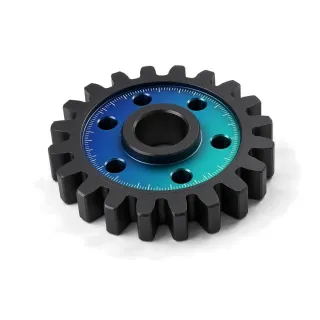 In-Mold Decoration (IMD) In-mold decoration places a formed, printed decorative film in an injection mold so the graphic becomes part of the molded surface. | Polymer | 100–300 | Unchanged | 15–30 | $$$$High |
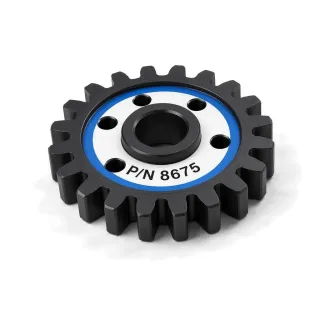 In-Mold Labeling (IML) In-mold labeling places a preprinted label in the mold before plastic is injected. | Polymer | 50–150 | Unchanged | 10–20 | $$$Premium |
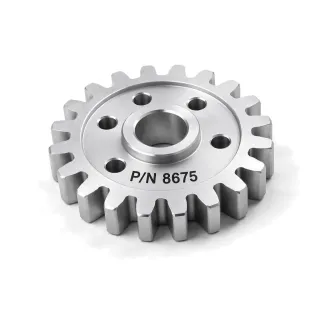 Ink Stamping Ink stamping transfers a fixed image from a rubber, polymer, or metal stamp onto a part. | AluminumSteel 8 more materials
| 3–8 | Unchanged | 1–2 | $Budget |
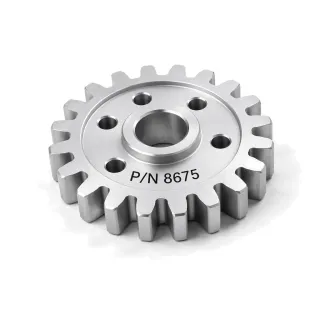 Laser Marking Laser marking uses focused fiber, CO2, or UV energy to create permanent text, logos, serials, UDI, and machine-readable codes. | AluminumBrassStainless Steel 8 more materials
| 0–50 | Unchanged | 1–3 | $Budget |
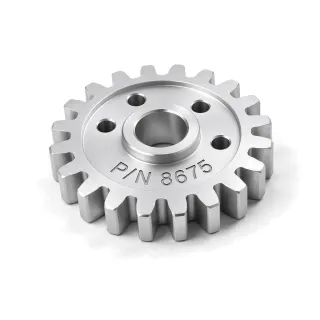 Mechanical Engraving Mechanical engraving cuts text, symbols, serials, or decorative lines into a surface with a rotating or dragging tool. | AluminumBrassCopper Alloy 8 more materials
| 50–500 | Unchanged | 2–5 | $$Standard |
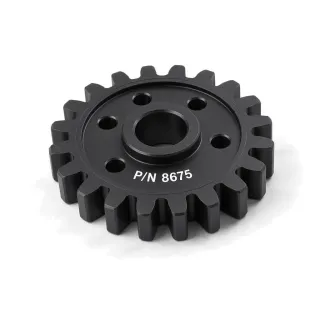 Pad Printing Pad printing transfers ink from an etched plate to a part with a flexible silicone pad. | AluminumPolymerStainless Steel 7 more materials
| 5–10 | Unchanged | 3–7 | $Budget |
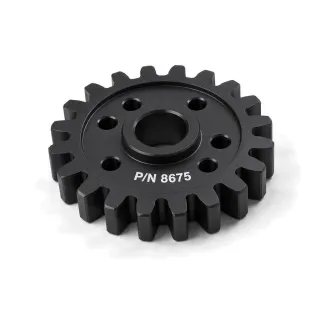 Screen Printing Screen printing pushes ink through a patterned mesh onto a part. | AluminumPolymerStainless Steel 7 more materials
| 10–25 | Unchanged | 3–7 | $Budget |
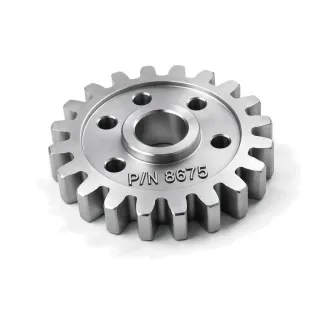 Steel Stamp Part Marking Steel stamp marking indents characters or symbols with a hardened hand stamp, press die, or roll marker. | AluminumBrassSteel 5 more materials
| 100–500 | Unchanged | 1–2 | $Budget |
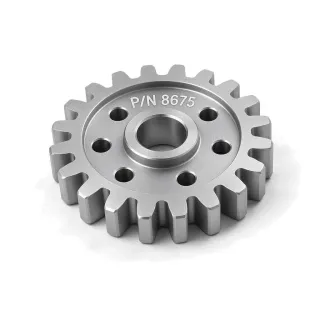 Vibro Engraving Vibro engraving uses a rapidly oscillating point to hand-scribe letters, numbers, and lines into a surface. | AluminumBrassCopper Alloy 6 more materials
| 20–200 | Unchanged | 1–2 | $Budget |
Colouring & dyeing
Colour that penetrates the part — dyed nylon prints, tinted coats.
| Finish | Suitable materials | Thickness (µm) | Electrical | Lead time (days) | Relative cost |
|---|---|---|---|---|---|
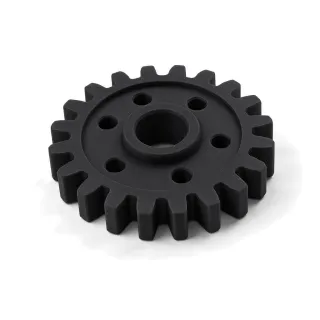 Nylon Part Dyeing Nylon part dyeing colors porous SLS and MJF polyamide by immersing finished parts in a heated dye bath. | MJFSLS 3 more materials
| — | Unchanged | 2–5 | $Budget |
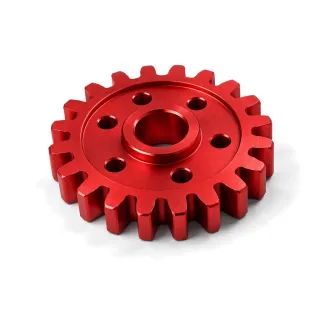 Tinted Clear Coating Tinted clear coating is a transparent or translucent colored topcoat that modifies hue while preserving some view of the substrate. | AluminumPolyJetPolymer 13 more materials
| 15–50 | Insulating | 4–8 | $$Standard |
Ranges depend on the substrate and process specification. Open a finish for test conditions and design limits. A dash means no value is listed.
Where marking & colour finishes sit
These finishes change texture, edges or markings, not the hardness or the corrosion barrier of the surface — the base metal keeps its own figures — so they are not placed on the catalog's corrosion × hardness map. Compare them above by thickness removed or added, cost and lead time.