
Chemical Etching
Marking & decoration · Chemical bath
Chemical etching uses a patterned resist and material-specific etchant to recess graphics or create a frosted contrast.
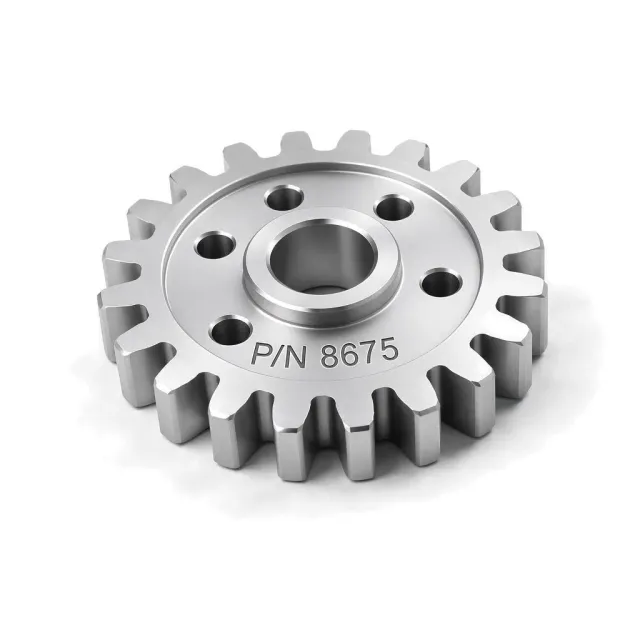
What is Chemical etch?
It is used for fine scales, logos, nameplates, decorative patterns, and durable identification.
How it works
The surface is cleaned and coated with a resist. Artwork is transferred by photographic exposure, printing, or masking, and the exposed substrate is contacted by an etchant selected for the metal, glass, ceramic, or polymer. Dissolution creates a recessed or roughened image; the part is then rinsed, neutralized, stripped, and optionally colour-filled. Etch rate and lateral undercut depend on chemistry, temperature, agitation, time, and substrate composition.
Why specify it
- Creates fine patterns without cutting force
- Can process multiple marks in a panel batch
- Typical decorative depth is 5–100 µm
- Works on flat sheets, nameplates, glass, and selected formed parts
Where it falls short
- Chemistry is substrate-specific and tightly controlled
- Etching undercuts the resist and rounds fine details
- Waste treatment and chemical handling are required
- Deep marks take longer and lose edge definition
Chemical etch at a glance
Chemical etch is strongest on cosmetic quality (76 of 100), at a premium cost. It adds little corrosion protection or lubricity. Surface hardness is not rated: the finish leaves the part's own surface.
Each score is 0–100 against every finish in this catalog. Corrosion comes from salt-spray life (ASTM B117, log scale) and hardness from the finish layer's Vickers or pencil hardness; cosmetic, lubricity and cost are FabDigit's engineering assessment. Economy on the radar is the inverse of cost.
Chemical etch key numbers
Typical values from the governing specifications and shop practice; bars are this finish against the highest value among marking & decoration finishes.
- Thickness
- 5–100 µm recessed mark depth; frosted glass or polymer effects may be shallower and are process-specific.
- Electrical
- Unchanged
- Colours
- substrate contrast
- optional paint fill
- Appearance
- Recessed matte, frosted, or colour-filled graphics with chemically rounded edges.
Specifications for Chemical etch
The documents a drawing cites to define this finish, with the Type / Class rows that apply. Each links to a page explaining the standard.
Drawing call-out
CHEMICALLY ETCH LOGO AND SCALE 0.025–0.050 MM DEEP, 0.20 MM MIN LINE WIDTH, BLACK EPOXY FILL, LOCATION ±0.25 MMWhich materials take Chemical etch?
Verdict per material family, with the grades that behave differently. Each family links to its datasheets in the material library.
| Material family | Verdict | Notes |
|---|---|---|
| Yes | Requires aluminum-compatible resist and etchant. | |
| Yes | Common nameplate and decorative etch substrate. | |
| Yes | Common for nameplates and decorative work. | |
| Yes | HF or fluoride frost etching is a standard glass mark, with strict handling controls. | |
| Yes | Post-cleaning and passivation review may be needed. | |
| Yes | Common for plates and scales; prevent flash rust after processing. | |
| With care | Possible with a magnesium-safe etchant; rinsing must be immediate to avoid corrosion. | |
| With care | Requires a titanium-specific etchant and tight process control. | |
| With care | Etches quickly; control time to avoid undercut and staining. | |
| Limited | Selected plastics (for example acrylic) can be frosted; most engineering resins do not etch cleanly. |
How Chemical etch is applied, and what it does to the part
- 1Clean surface
- 2Apply resist
- 3Image and develop artwork
- 4Etch
- 5Rinse and neutralize
- 6Strip resist
- 7Fill colour if specified
- 8Inspect depth and undercut
| Dimensions | Etching removes 5–100 µm in exposed areas and also creates lateral undercut beneath resist edges. |
|---|---|
| Masking | Usually needed. Resist must protect every area not intended for etching, including edges, holes, threads, and sealing faces. |
| Electrical | Unchanged |
| Appearance | Recessed matte, frosted, or colour-filled graphics with chemically rounded edges. |
| Added lead time | 4–8 working days on top of the bare part |
Design rules for Chemical etch
What to decide on the drawing before the part goes to the finisher.
- Use 0.20 mm minimum line width unless the etcher approves finer artwork.Lateral undercut erodes narrow resist features.
- Specify substrate grade and any coating.Etchant and rate depend on composition.
- Keep fine artwork away from exposed edges and deep recesses.Etchant flow and resist coverage become nonuniform.
- State depth and whether colour fill is required.Frosting, shallow etch, and deep recess are different processes.
Chemical etch versus the alternatives
Finishes engineers weigh against Chemical etch, and when each wins.
| Finish | Corrosion | Hardness | Cosmetic | Cost | Thickness | Choose it when |
|---|---|---|---|---|---|---|
Chemical etch this page | 0 | — | 76 | $$$ | 5–100 µm | — |
| 0 | — | 55 | $$ | 2–25 µm | for localized conductive-metal marks | |
| 0 | — | 70 | $ | 0–50 µm | for variable data without wet chemistry |
The radar overlays Chemical etch with Electrochemical Etching, its most common alternative — chosen for localized conductive-metal marks. Scores in the table are 0–100 across every finish in the catalog.
Cost, lead time and compliance
Relative cost
Chemical Etching is a premium-cost finish ($$$): cheaper than about 55 % of the finishes FabDigit quotes.
Finishing is priced per part with a lot minimum, from FabDigit's own China-side rates. The exact figure appears on the instant quote once the part is uploaded.
Lead time and compliance
| Added lead time | 4–8 working days |
|---|---|
| RoHS | Compliant |
| Notes | The finished mark can be compliant, but etchants, resist strippers, rinse water, and dissolved metals require controlled handling and waste treatment. |
What Chemical etch is used for
- Instrument scales
- Metal nameplates
- Glass legends
- Decorative panels
- Logos and regulatory text
Chemical etch — frequently asked
Chemical etching vs laser marking: which is better?
Chemical etching can batch broad fine patterns and create a 5–100 µm recess without tool force. Laser marking is better for variable serial data and avoids resist and wet chemistry.
How deep is a chemical etched mark?
A practical decorative marking range is about 5–100 µm. Depth and undercut depend on alloy, chemistry, temperature, agitation, and etch time.
Can chemical etching mark stainless steel?
Yes, with stainless-compatible resist and etchant followed by thorough neutralization and cleaning. If corrosion performance matters, review whether passivation is required after etching.
Can glass be chemically etched for labels?
Yes, chemical frosting can create durable matte legends, but glass etchants require specialized hazardous-chemical controls. Specify artwork, contrast, depth or frosting appearance, and protected areas.
Can chemical etched marks be colour filled?
Yes. The recessed 5–100 µm image can retain paint or epoxy, but fill chemistry, cure, wipe method, and adhesion test must be specified.
Other marking & decoration finishes
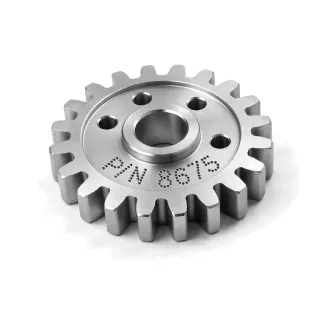 Dot Peen MarkingDot peen marking uses a controlled stylus to build characters and Data Matrix symbols from small permanent indentations.CorrosionHardnessCost$
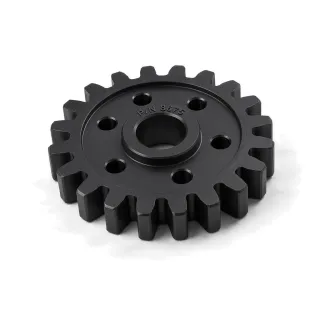 Embossing and DebossingEmbossing raises artwork above a surface, while debossing recesses it through forming dies or molded tool geometry.CorrosionHardnessCost$$$
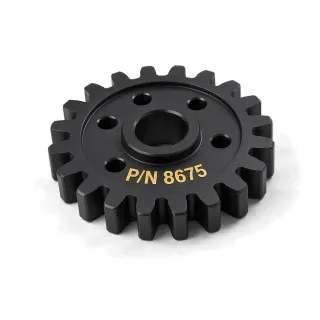 Hot StampingHot stamping uses a heated die to transfer pigmented or metallic foil onto a part.CorrosionHardnessCost$$
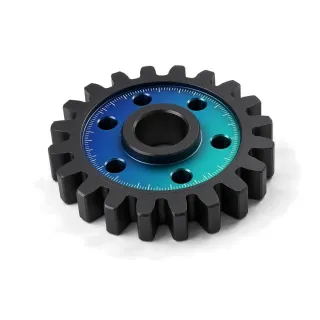 In-Mold Decoration (IMD)In-mold decoration places a formed, printed decorative film in an injection mold so the graphic becomes part of the molded surface.CorrosionHardnessCost$$$$
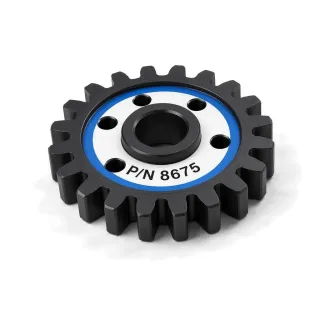 In-Mold Labeling (IML)In-mold labeling places a preprinted label in the mold before plastic is injected.CorrosionHardnessCost$$$
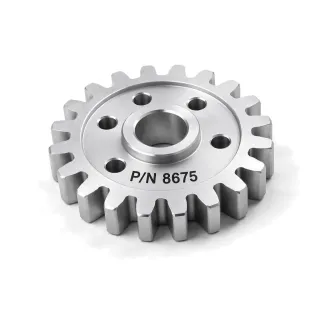 Ink StampingInk stamping transfers a fixed image from a rubber, polymer, or metal stamp onto a part.CorrosionHardnessCost$
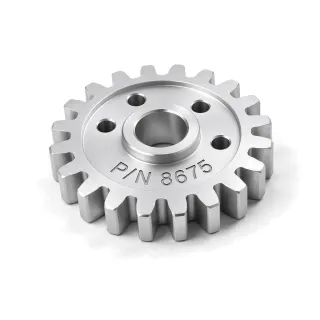 Mechanical EngravingMechanical engraving cuts text, symbols, serials, or decorative lines into a surface with a rotating or dragging tool.CorrosionHardnessCost$$
 Pad PrintingPad printing transfers ink from an etched plate to a part with a flexible silicone pad.CorrosionHardnessCost$