
Electrochemical Etching
Marking & decoration · Electrolytic bath
Electrochemical etching makes a localized permanent mark on an electrically conductive part through a stencil and electrolyte.
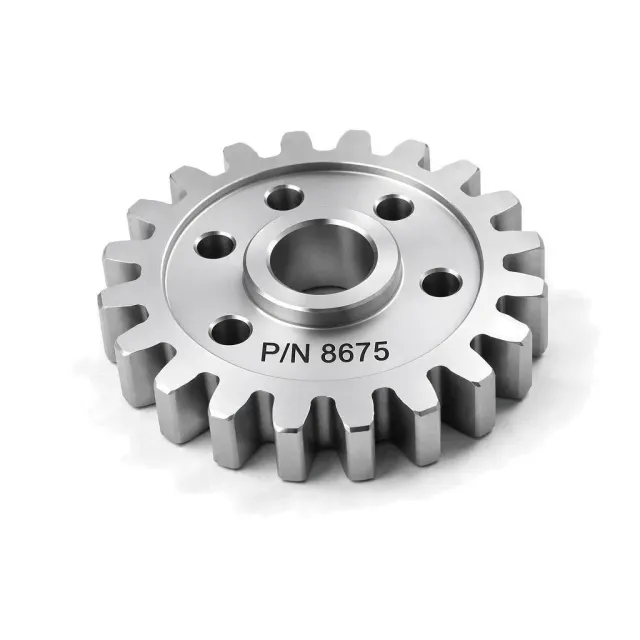
What is Electrochemical etch?
It is commonly used for logos, lot codes, serials, and identification on finished metal tools and components.
How it works
A stencil carrying the artwork is placed on the conductive part and wetted with an electrolyte matched to the alloy. An electrode pad applies controlled current through the open stencil. Direct current removes a shallow layer for an etched mark; alternating-current recipes can form a dark oxide contrast on selected alloys. The surface is then neutralized, rinsed, and dried. Voltage, waveform, dwell, pad pressure, electrolyte, and surface finish control depth and contrast.
Why specify it
- Marks hardened or finished conductive metals without cutting force
- Typical depth is about 2–25 µm
- Portable equipment reaches large assembled parts
- Reusable stencils support repeated fixed artwork
Where it falls short
- Only electrically conductive substrates can be etched
- Electrolyte and neutralizer must match the alloy
- Variable data generally requires a new stencil or digital stencil system
- Poor rinsing can stain or initiate corrosion
Electrochemical etch at a glance
Electrochemical etch is a middle-of-the-range finish; its best score is cosmetic quality (55 of 100), at a standard cost. It adds little corrosion protection or lubricity. Surface hardness is not rated: the finish leaves the part's own surface.
Each score is 0–100 against every finish in this catalog. Corrosion comes from salt-spray life (ASTM B117, log scale) and hardness from the finish layer's Vickers or pencil hardness; cosmetic, lubricity and cost are FabDigit's engineering assessment. Economy on the radar is the inverse of cost.
Electrochemical etch key numbers
Typical values from the governing specifications and shop practice; bars are this finish against the highest value among marking & decoration finishes.
- Thickness
- 2–25 µm recessed electrochemical mark depth; dark oxide marks may involve less material removal.
- Electrical
- Unchanged
- Colours
- dark oxide
- light etched metal
- substrate contrast
- Appearance
- Dark or light stencil-defined mark with shallow recess and minimal mechanical deformation.
Specifications for Electrochemical etch
The documents a drawing cites to define this finish, with the Type / Class rows that apply. Each links to a page explaining the standard, and US Government documents are free to download there.
Test and related methods: MIL-STD-130 (Identification Marking of U.S. Military Property).
Drawing call-out
ELECTROCHEMICALLY ETCH PART NO. AND LOT CODE PER MIL-STD-130, 2.5 MM CHARACTER HEIGHT, 0.010–0.025 MM DEEP, BLACKWhich materials take Electrochemical etch?
Verdict per material family, with the grades that behave differently. Each family links to its datasheets in the material library.
| Material family | Verdict | Notes |
|---|---|---|
| Yes | Conductive brass etches readily with a matched electrolyte. | |
| Yes | Common, with alloy-specific electrolyte and complete neutralization. | |
| Yes | Common on hardened tools and components. | |
| With care | Possible with compatible chemistry; oxide and coatings can interrupt current. | |
| With care | Possible with alloy-specific electrolyte and stain control. | |
| With care | Possible with a magnesium-safe electrolyte; complete neutralization is required. | |
| With care | Possible with a titanium-qualified electrolyte and waveform. | |
| With care | Possible with a zinc-compatible electrolyte; poor rinsing stains quickly. | |
| No | Typical ceramics are insulating and cannot be electrochemically etched. | |
| No | Glass is insulating and cannot be electrochemically etched. | |
| No | Electrochemical etching requires an electrically conductive substrate. |
How Electrochemical etch is applied, and what it does to the part
- 1Clean surface
- 2Position stencil
- 3Wet with alloy-specific electrolyte
- 4Apply electrode and current
- 5Remove stencil
- 6Neutralize and rinse
- 7Dry and inspect
| Dimensions | Localized removal is typically 2–25 µm and has negligible effect on bulk dimensions. |
|---|---|
| Masking | Usually needed. The stencil masks the image; protect adjacent seams, contacts, crevices, and corrosion-critical surfaces from electrolyte. |
| Electrical | Unchanged |
| Appearance | Dark or light stencil-defined mark with shallow recess and minimal mechanical deformation. |
| Added lead time | 1–3 working days on top of the bare part |
Design rules for Electrochemical etch
What to decide on the drawing before the part goes to the finisher.
- Use only on electrically conductive surfaces.Current must pass through the exposed artwork.
- Provide a smooth area large enough for the stencil and electrode pad.Uniform pressure and wetting control image quality.
- Keep marks away from crevices and sealed joints.Trapped electrolyte can cause staining or corrosion.
- Specify dark oxide or material-removal etch.Waveform and resulting appearance differ.
Electrochemical etch versus the alternatives
Finishes engineers weigh against Electrochemical etch, and when each wins.
| Finish | Corrosion | Hardness | Cosmetic | Cost | Thickness | Choose it when |
|---|---|---|---|---|---|---|
Electrochemical etch this page | 0 | — | 55 | $$ | 2–25 µm | — |
| 0 | — | 70 | $ | 0–50 µm | for high-speed variable data | |
| 0 | — | 76 | $$$ | 5–100 µm | for larger batch-imaged patterns |
The radar overlays Electrochemical etch with Laser Marking, its most common alternative — chosen for high-speed variable data. Scores in the table are 0–100 across every finish in the catalog.
Cost, lead time and compliance
Relative cost
Electrochemical Etching is a standard-cost finish ($$): cheaper than about 74 % of the finishes FabDigit quotes.
Finishing is priced per part with a lot minimum, from FabDigit's own China-side rates. The exact figure appears on the instant quote once the part is uploaded.
Lead time and compliance
| Added lead time | 1–3 working days |
|---|---|
| RoHS | Compliant |
| Notes | Finished-part compliance depends on complete neutralization and cleaning; spent electrolyte containing dissolved metal requires controlled disposal. |
What Electrochemical etch is used for
- Cutting tools
- Surgical instruments
- Stainless-steel components
- Large assembled equipment
- Lot and serial identification
Electrochemical etch — frequently asked
Electrochemical etching vs laser marking: which is better?
Electrochemical etching is portable and can mark hardened conductive metal about 2–25 µm deep with low equipment cost. Laser marking handles variable data faster and does not leave electrolyte to neutralize.
How deep is electrochemical etching?
Typical identification marks are shallow, about 2–25 µm in this catalog. Dark oxide recipes may remove less material than a light recessed etch.
Can electrochemical etching mark stainless steel?
Yes, and stainless tools and instruments are common applications. Use the correct electrolyte and neutralizer, then rinse and dry completely to protect corrosion performance.
Can electrochemical etching mark plastic or glass?
No, not directly, because the workpiece must conduct current. The broad v1 compatibility list is not technically applicable to insulating polymer, glass, ceramic, or composite substrates.
Are electrochemically etched marks permanent?
The 2–25 µm recessed or oxide mark is permanent under normal handling, but aggressive polishing can remove it. Define required service abrasion and confirm with a representative test.
Other marking & decoration finishes
 Dot Peen MarkingDot peen marking uses a controlled stylus to build characters and Data Matrix symbols from small permanent indentations.CorrosionHardnessCost$
 Embossing and DebossingEmbossing raises artwork above a surface, while debossing recesses it through forming dies or molded tool geometry.CorrosionHardnessCost$$$
 Hot StampingHot stamping uses a heated die to transfer pigmented or metallic foil onto a part.CorrosionHardnessCost$$
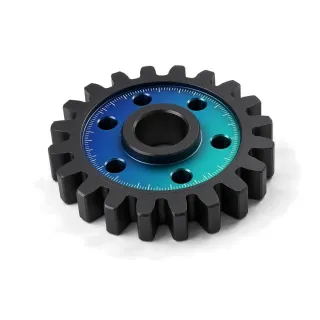 In-Mold Decoration (IMD)In-mold decoration places a formed, printed decorative film in an injection mold so the graphic becomes part of the molded surface.CorrosionHardnessCost$$$$
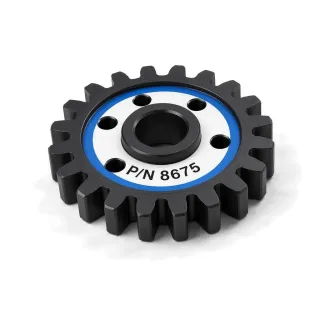 In-Mold Labeling (IML)In-mold labeling places a preprinted label in the mold before plastic is injected.CorrosionHardnessCost$$$
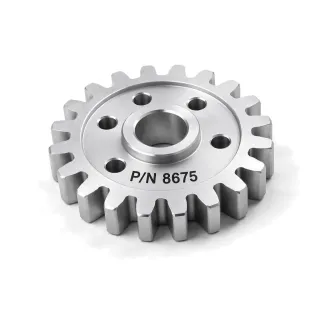 Ink StampingInk stamping transfers a fixed image from a rubber, polymer, or metal stamp onto a part.CorrosionHardnessCost$
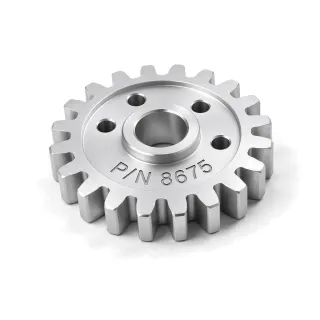 Mechanical EngravingMechanical engraving cuts text, symbols, serials, or decorative lines into a surface with a rotating or dragging tool.CorrosionHardnessCost$$
 Pad PrintingPad printing transfers ink from an etched plate to a part with a flexible silicone pad.CorrosionHardnessCost$