
CNC Milling
Prototypes and production parts in metal and plastic on 3-, 4- and 5-axis machines, from one piece.
- ±0.025 mm
- Standard tolerance
- 3,000 mm
- Longest side, 3-axis
- 2 days
- Fastest ship, simple parts
- From 1 pc
- No minimum order
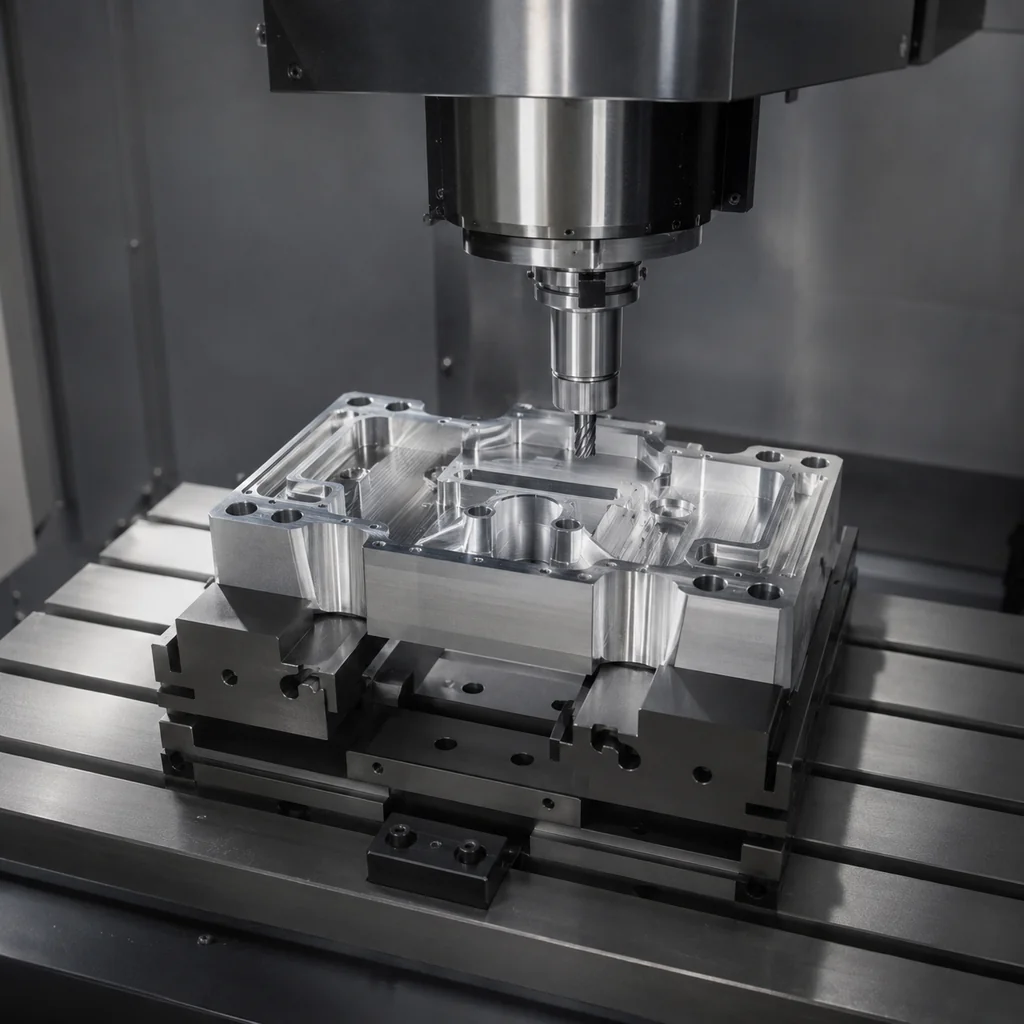
CNC milling cuts a solid block with rotating tools to make flat faces, pockets, slots and holes. It is the default route for prismatic parts: brackets, plates, housings and fixtures. The quote picks 3-, 4- or 5-axis from your geometry and shows the tolerance, finish and ship date before you order.
Commonly used for:
- Functional prototypes
- Brackets, plates and mounts
- Enclosures and housings
- Jigs and fixtures
- Low-volume production parts
What we mill
Parts made of faces, pockets and holes, from a single prototype to a few hundred pieces.
Brackets and mounts
Flat stock with holes, slots and counterbores, usually one or two setups.
Enclosures and housings
Deep pockets, bosses and tapped holes cut from solid aluminum.
Plates and panels
Large flat parts with hole patterns and flatness called out.
Heat sinks
Fins and contact faces in aluminum or copper.
Jigs and fixtures
Locating faces, dowel holes and nests for assembly and inspection.
Manifolds
Intersecting drilled ports with sealing faces machined flat.
Milling capabilities
What the standard order holds. Tighter values are quoted per feature from your drawing.
Tolerances
Untoleranced dimensions follow ISO 2768-m. Put tighter tolerances only on fits, datums and sealing faces; every extra tight feature adds inspection time.
Part size
Smaller envelopes on the multi-axis machines. Larger parts are reviewed by an engineer.
| Machine | Max part size |
|---|---|
| 3-axis | 3,000 × 1,500 × 600 mm |
| 4-axis | 1,000 × 500 × 500 mm |
| 5-axis | 500 × 500 × 500 mm |
Minimum feature
Keep pocket depth under four times the tool diameter. Deep, narrow pockets need long tools that cut slowly.
Internal corners
A spinning tool leaves a radius in every inside corner. Need a sharp corner for a mating part? Use a relief cut, or ask for EDM.
Threads and holes
Model the hole at tap-drill size and call out the thread on the drawing. Thread depth beyond 1.5 × diameter adds cost and little strength.
Surface finish
Tool marks stay visible on as-machined parts. Call out finer roughness only on the faces that need it.
Edges
Specify a chamfer or radius on the drawing if an edge must be a defined size.
Inspection
Dimensional and CMM reports and material certificates are available on request. Ask for them in the quote.
Materials
The most-quoted milling grades. Each links to its datasheet with tempers, heat treatments and finishes.
Steel and stainless
Copper, brass and titanium
Compare grades side by side
| Material | Machinability | Cost | Use it for |
|---|---|---|---|
| Aluminum 6061 | Very good | $ | General CNC machined parts; Aerospace and structural brackets; Hydraulic manifolds and valve bodies |
| Aluminum 7075 | Excellent | $$$ | Aerospace components; Defense equipment; Gears |
| Aluminum 6082 | Very good | $$ | Trusses; Bridges; Frames |
| Aluminum 2024 | Excellent | $$$ | Aircraft skins and fuselage panels; Wing and fuselage structural members; Aerospace fittings and brackets |
| Steel 1018 | Very good | $ | Motor shafts; Tie rods; Machined pins, spacers and bushings |
| Steel 4140 | Good | $$ | CNC machined gears; Transmission and drive shafts; Machine tool spindles |
| Stainless Steel 303 | Very good | $$$ | CNC turned shafts; Valve bodies and stems; Nuts and threaded fittings |
| Stainless Steel 304 | Fair | $$ | Food processing equipment; Kitchen appliances and sinks; Sanitary tanks and process piping |
| Stainless Steel 316 | Fair | $$$ | Marine deck hardware and fasteners; Chemical process piping and tanks; Food and pharmaceutical processing equipment |
| Copper Alloy C36000 | Excellent | $$$ | CNC turned threaded parts and fasteners; Hydraulic and pneumatic fittings; Valve stems and valve cores |
| Copper Alloy C11000 | Fair | $$$$ | Electrical busbars; Grounding straps and connectors; Terminals and cable lugs |
| Titanium Grade 5 | Poor | $$$ | Aircraft turbine blades and engine hardware; Medical implants and instrument bodies; Airframe structural fittings and lugs |
| POM-C | Excellent | $$ | Chemical-resistant gears; Bearings and bushings; Slide plates and wear guides |
| PA6 | Very good | $ | Automotive gears; Pulleys; Caster wheels |
| PEEK | Very good | $$$$$ | Spinal fusion implants; Aerospace seals and back-up rings; Downhole oil and gas seals |
| ABS | Excellent | $ | Electronic enclosures and housings; Power tool housings; Computer keyboards |
Machinability and weldability are the library’s 0–100 scores (Excellent ≥ 85 … Poor < 35); cost is the relative tier, not a price. Every grade links to its datasheet with tempers, heat treatments and the finishes it takes.
Cost by quantity
Programming and setup are paid once per order. By ten pieces the unit price is about a fifth of one piece.
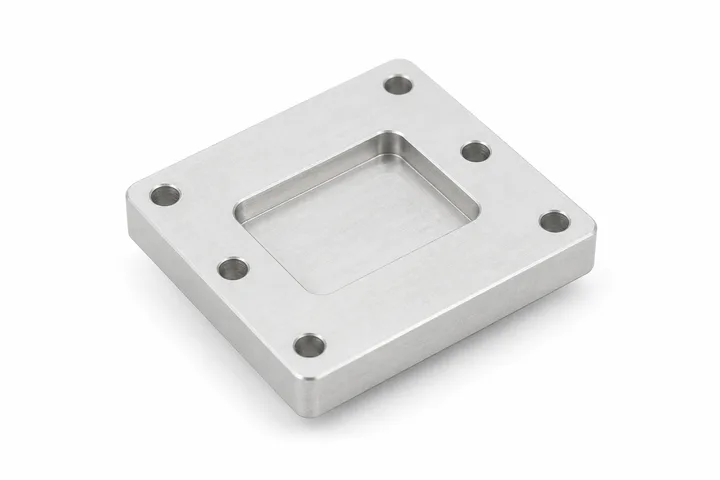
Aluminum sensor bracket
Aluminum 6061-T6 · 50 × 40 × 10 mm · 3-axis milled · 6 holes, 1 pocket · as machined
Cost per part by quantity — aluminum sensor bracket
100 % = one piece. Programming and setup are paid once per order, so ten brackets cost about 2× one bracket, not 10×.
Not a quote. Relative unit price from the FabDigit quote engine for the bracket shown, standard schedule. Your part gets its own number from the quote. Method and more examples in the CNC machining cost guide.
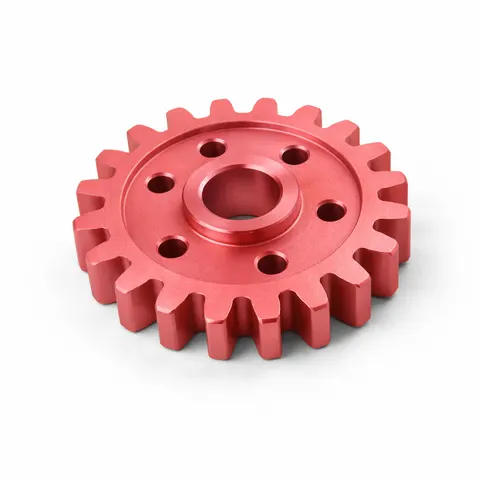
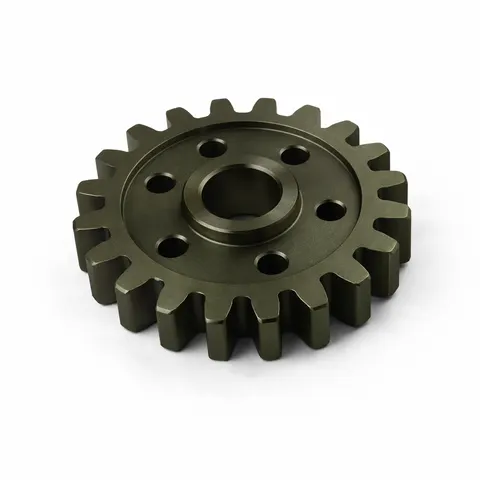
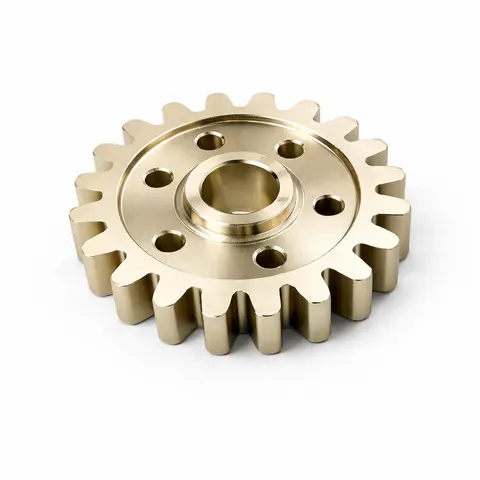
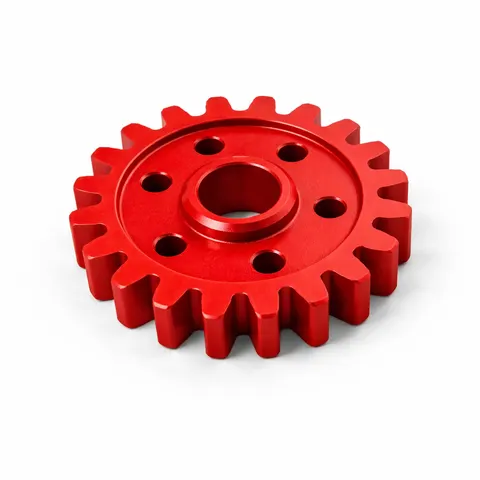
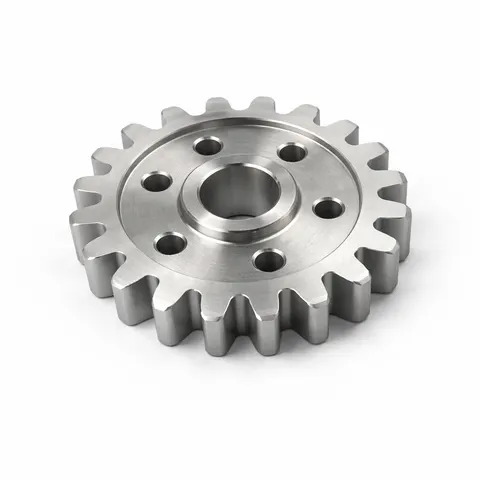
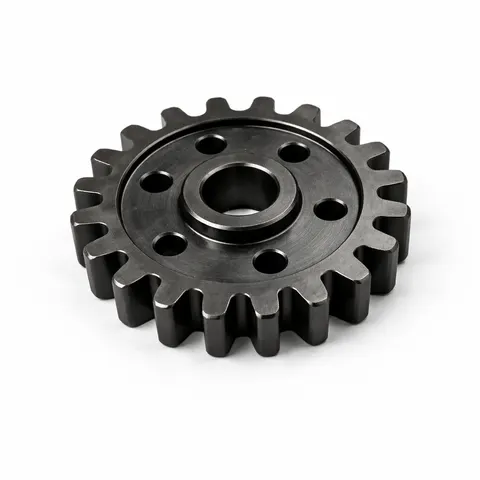
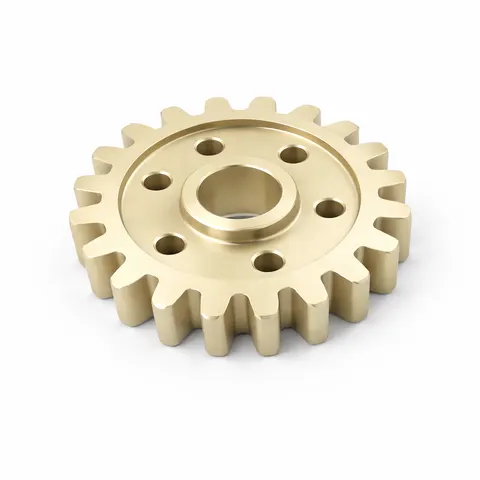
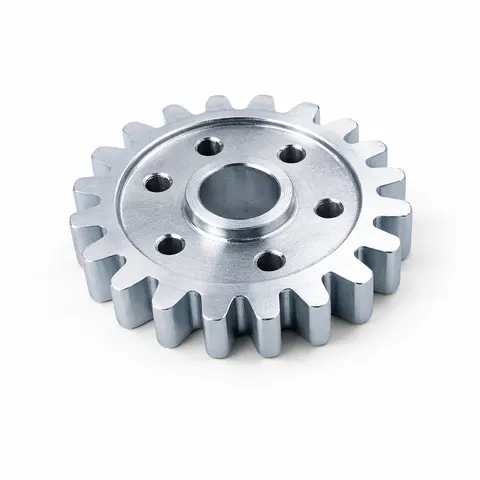
Surface finishes
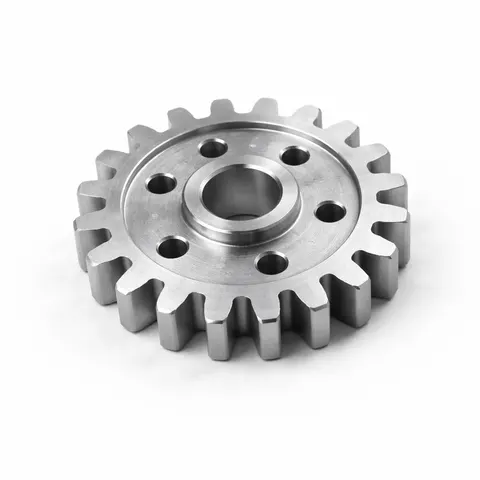
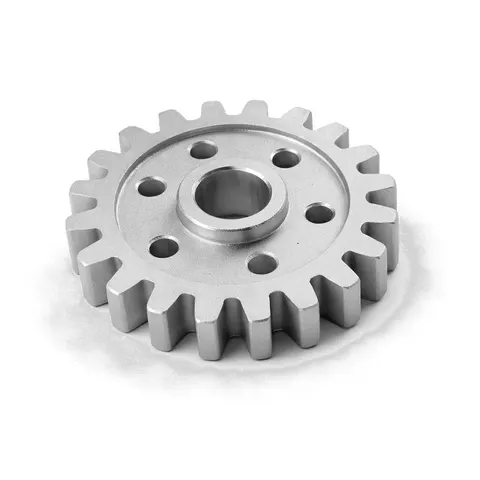
Pick the finish in the quote. Masked faces and threads are noted on the order.
What is CNC milling?
A rotating cutter removes material from a clamped block, following a toolpath programmed from your CAD model.
The number of axes decides how many sides the tool reaches without re-clamping. Most parts are 3-axis. 4-axis adds a rotary table for features around a cylinder; 5-axis tilts the part so five faces are cut in one setup.
| Machine | How it moves | Best for |
|---|---|---|
| 3-axisX · Y · Z | Tool moves in three axes; the part is flipped for each face. | Plates, brackets, pockets and holes from one or two sides. |
| 4-axis+ rotary | Part rotates on one axis between or during cuts. | Features around a shaft or on four sides of a block. |
| 5-axis+ tilt and rotate | Part tilts and rotates; five faces in one setup. | Housings, manifolds and compound angles. See 5-axis machining. |
How to order
- 1Upload a STEP file.Pick material, finish and quantity. Add a PDF drawing for tolerances and threads.
- 2Review price and DFM.Standard and expedited ship dates side by side, with flags for thin walls and deep pockets.
- 3Order online.Every order is first-article inspected before it ships.
Questions about CNC milling
What tolerance can CNC milling hold?
±0.025 mm on toleranced features as standard, and ±0.01 mm on request for specific features. Untoleranced dimensions follow ISO 2768-m.
What is the largest part you can mill?
3,000 × 1,500 × 600 mm on 3-axis machines. 4-axis parts go up to 1,000 × 500 × 500 mm and 5-axis parts up to 500 mm on each side.
Can I order a single milled part?
Yes. There is no minimum order. One piece costs more per part because setup is paid once per order, so quote the quantities you might need.
How fast can I get milled parts?
Simple parts can ship in 2 business days. The quote shows a standard and an expedited ship date for your exact part.
3-axis or 5-axis milling?
Most parts are 3-axis. 5-axis pays off when a part has features on several faces or at compound angles. The quote picks the route from your geometry.
Which file formats do you accept?
STEP is best for pricing. Add a PDF drawing when the part has tolerances, threads or a specified finish; the callouts are read into the quote.
Price your milled part now
Upload a STEP file and get a price, ship date and DFM notes in minutes.