
Texture Finishing
Mechanical finishing · Mechanical
Texture finishing creates a controlled pattern on the mold so every molded part replicates it.
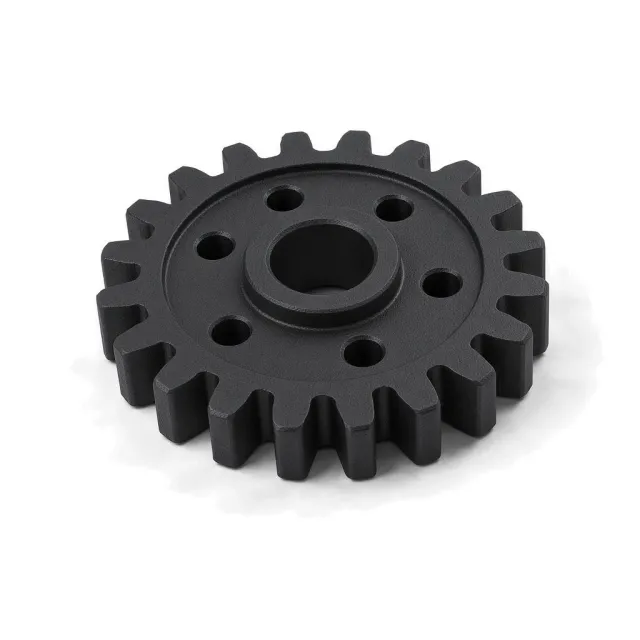
What is Mold texture?
Classes include SPI or PIA A-1 through D-3, VDI 3400 textures, proprietary Mold-Tech patterns, and laser-textured geometric or stochastic patterns.
How it works
The tool surface is polished, stoned, dry-blasted, chemically etched, or laser ablated. Molded polymer copies the negative texture, subject to resin, draft, pressure, and shrinkage. SPI or PIA A-1 through D-3 communicates polish and blast method; VDI 3400 communicates increasing texture levels. Practical molded textures span roughly Ra 0.2–18 µm (8–710 µin), but VDI or Mold-Tech code and an approved plaque control appearance.
Why specify it
- Hides sink marks and light wear
- Creates grip and anti-glare appearance
- Replicates texture on every molding cycle
- Laser texturing enables repeatable local patterns
Where it falls short
- Texture increases required draft
- Weld lines and flow can remain visible
- Repair matching is difficult
- Low-gloss texture can trap soil
Mold texture at a glance
Mold texture is strongest on cosmetic quality (85 of 100), at a premium cost. It adds little corrosion protection or lubricity. Surface hardness is not rated: the finish leaves the part's own surface.
Each score is 0–100 against every finish in this catalog. Corrosion comes from salt-spray life (ASTM B117, log scale) and hardness from the finish layer's Vickers or pencil hardness; cosmetic, lubricity and cost are FabDigit's engineering assessment. Economy on the radar is the inverse of cost.
Mold texture key numbers
Typical values from the governing specifications and shop practice; bars are this finish against the highest value among mechanical finishing finishes.
- Thickness
- Mold texture is replicated, not coated; practical molded Ra spans roughly 0.2–18 µm (8–710 µin) by class.
- Electrical
- Unchanged
- Appearance
- Specified gloss, grain, stipple, geometric, or natural pattern replicated from the tool.
Specifications for Mold texture
The documents a drawing cites to define this finish, with the Type / Class rows that apply. Each links to a page explaining the standard.
Drawing call-out
MOLD EXTERIOR SURFACES VDI 3400 27 TEXTURE; 1.5° MINIMUM DRAFT PER SIDE; MATCH APPROVED COLOR AND TEXTURE PLAQUE; KEEP SHUTOFFS SPI A-2Which materials take Mold texture?
Verdict per material family, with the grades that behave differently. Each family links to its datasheets in the material library.
| Material family | Verdict | Notes |
|---|---|---|
| Yes | Thermoplastics replicate mold texture; gloss and fidelity depend on resin and process.
| |
| Yes | Cast urethane can replicate a textured master or mold. | |
| Yes | Silicone can replicate fine mold texture but perceived gloss differs. | |
| Limited | Metal textures are EDM, laser, or photo-etched on the tool, not a moulded-part texture process. | |
| Limited | Stainless tools can be textured; moulded stainless parts are not this process. | |
| Limited | Tool-steel cavities are textured; the steel part itself is not VDI-moulded. | |
| Limited | Die-cast zinc can copy cavity texture; draft and fill still control appearance. | |
| No | Not a moulded-polymer texture process. | |
| No | Not a moulded-polymer texture process. | |
| No | Not a moulded-polymer texture process. | |
| No | Not a moulded-polymer texture process. |
How Mold texture is applied, and what it does to the part
- 1Approve texture plaque and code
- 2Polish tool to required base
- 3Mask non-textured zones
- 4Etch blast or laser texture
- 5Mold trials and approve appearance
| Dimensions | Texture depth changes cavity geometry and can impede release; compensate dimensions and add draft according to texture depth and resin. |
|---|---|
| Build-up per side | 0 µm — No post-mold buildup; texture is formed in the mold cavity and affects local molded dimensions. |
| Masking | Usually needed. Texture only designated mold regions; keep shutoffs, seal-offs, lettering, and precision interfaces protected. |
| Electrical | Unchanged |
| Appearance | Specified gloss, grain, stipple, geometric, or natural pattern replicated from the tool. |
| Added lead time | 5–15 working days on top of the bare part |
Design rules for Mold texture
What to decide on the drawing before the part goes to the finisher.
- State VDI Mold-Tech or SPI/PIA class.The word matte is not reproducible.
- Approve a molded plaque.Resin and color change perceived texture.
- Increase draft for deeper texture.Texture mechanically resists ejection.
- Keep texture off shutoffs.It can create flash and wear.
Mold texture versus the alternatives
Finishes engineers weigh against Mold texture, and when each wins.
| Finish | Corrosion | Hardness | Cosmetic | Cost | Thickness | Choose it when |
|---|---|---|---|---|---|---|
Mold texture this page | 0 | — | 85 | $$$ | 0 µm | — |
| 5 | — | 75 | $$ | 0 µm | when directional grain is applied to metal after fabrication | |
| 5 | — | 65 | $ | 0 µm | when a non-directional texture is applied directly to a finished metal part |
The radar overlays Mold texture with Brushed Finish, its most common alternative — chosen when directional grain is applied to metal after fabrication. Scores in the table are 0–100 across every finish in the catalog.
Cost, lead time and compliance
Relative cost
Texture Finishing is a premium-cost finish ($$$): more expensive than about 70 % of the finishes FabDigit quotes.
Finishing is priced per part with a lot minimum, from FabDigit's own China-side rates. The exact figure appears on the instant quote once the part is uploaded.
Lead time and compliance
| Added lead time | 5–15 working days |
|---|---|
| RoHS | Compliant |
| Notes | Laser texture avoids chemical etchant; chemical tool etching requires controlled bath and waste treatment. |
What Mold texture is used for
- Tool grips
- Automotive interior trim
- Electronic bezels
- Appliance housings
Mold texture — frequently asked
what is VDI 3400 texture
VDI 3400 is a widely used mold-surface texture scale with increasing texture number and roughness. State the VDI level and approve a molded plaque because resin and process alter appearance.
what are SPI mold finish grades
SPI or PIA grades run from A-1 diamond-buffed mirror through B stone, C paper, and D dry-blast classes to D-3. They describe tool-finishing method and resulting appearance.
Mold-Tech vs VDI 3400
VDI 3400 is a numbered texture scale, while Mold-Tech includes proprietary pattern codes. Do not substitute one from an approximate conversion chart without an approved sample.
how much draft is needed for mold texture
Deeper texture needs more draft than a polished wall. A common starting callout may use 1.5° per side for a moderate VDI texture, but the toolmaker and resin supplier must confirm it.
what is laser mold texturing
A laser ablates controlled microgeometry directly into the tool. It can produce local gradients, geometric patterns, and repeatable stochastic grains that are difficult to chemical-etch.
Other mechanical finishing finishes
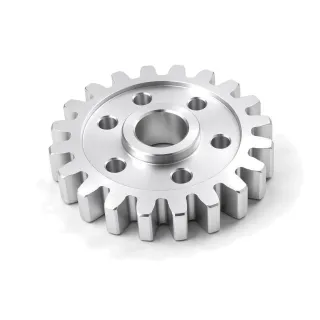 Aluminum Bright DipBright dipping is a chemical polishing pretreatment that levels microscopic peaks on aluminum to produce a reflective surface before anodizing.CorrosionHardnessCost$$
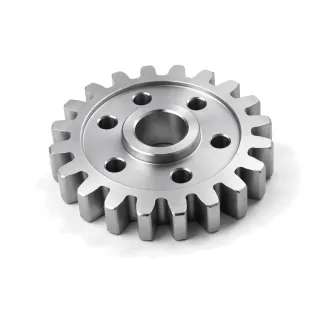 As MachinedAs machined is the baseline CNC condition with no secondary cosmetic finishing.CorrosionHardnessCost$
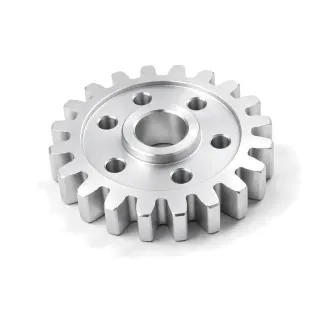 DeburringDeburring removes loose or sharp burrs left by cutting, punching, molding, or casting.CorrosionHardnessCost$
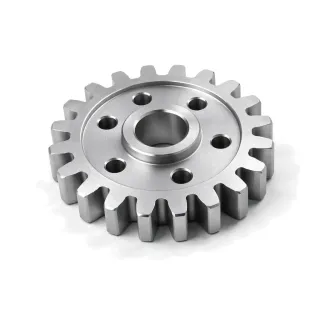 Edge RoundingEdge rounding deliberately replaces a sharp edge with a controlled radius or broad edge break.CorrosionHardnessCost$
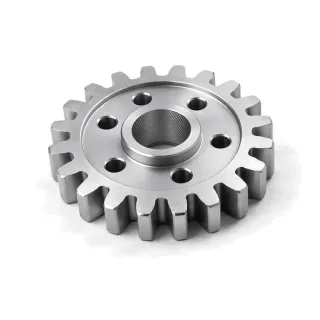 HoningHoning precision-finishes bores with expanding abrasive stones and a controlled cross-hatch.CorrosionHardnessCost$$$
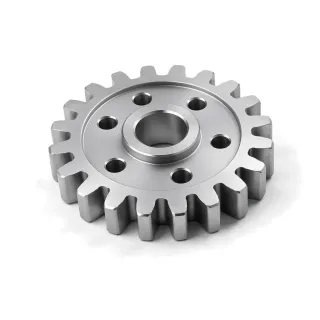 LappingLapping is a precision loose-abrasive process used to improve flatness, parallelism, and very fine roughness.CorrosionHardnessCost$$$$
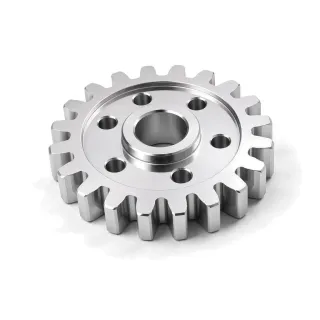 Mirror PolishingMirror polishing removes visible directional scratches and buffs the surface to high specular reflectance.CorrosionHardnessCost$$$$
 PolishingMechanical polishing progressively removes surface peaks and scratches to produce a smooth glossy surface.CorrosionHardnessCost$$$