
CNC Stainless Steel Machining
Machined stainless prototypes and production parts in 303, 304, 316 and 17-4 PH, from one piece.
- ±0.025 mm
- Standard tolerance
- 4 grades
- 303, 304, 316, 17-4 PH
- 1.4–1.8×
- Cost vs 6061 aluminum, same part
- From 1 pc
- No minimum order
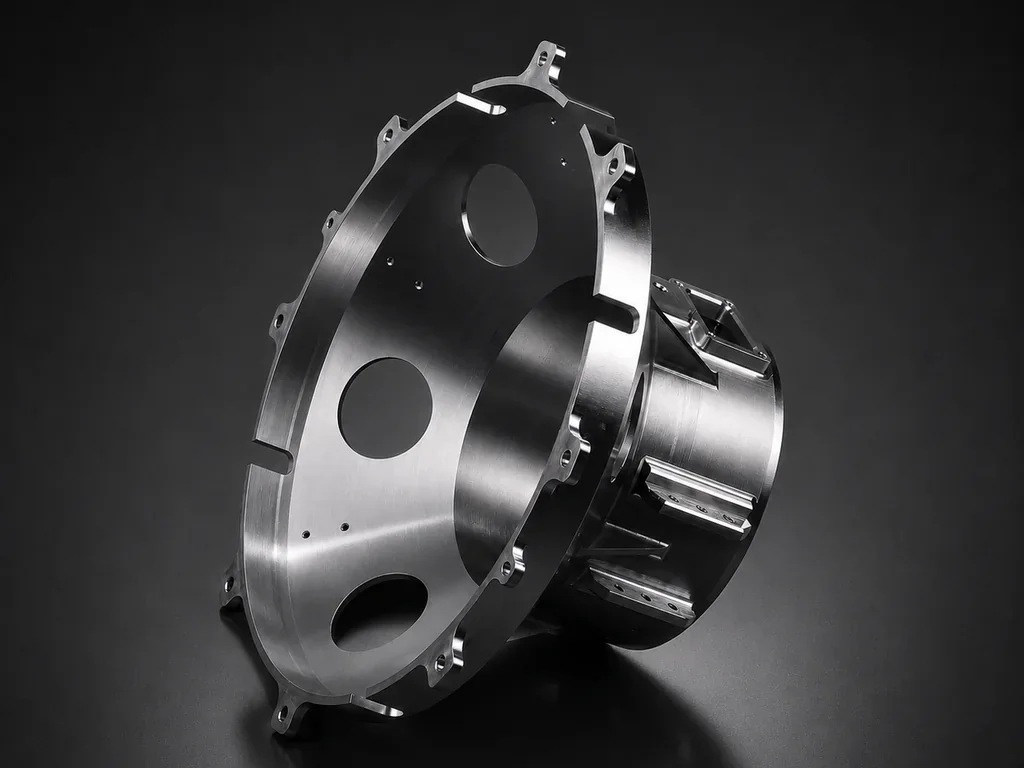
Stainless steel is chosen for corrosion resistance and strength. It cuts slower than aluminum and hardens as it is cut, which is most of its extra cost. Pick 303 for turned parts, 304 for general use, 316 near salt or chemicals and 17-4 PH for high strength.
Commonly used for:
- Food and medical equipment
- Marine hardware
- Valve and pump parts
- Shafts and fasteners
- Outdoor brackets
What we make in stainless
Parts that face water, cleaning chemicals or load, milled or turned.
Shafts and pins
Turned in 303 or 17-4 PH, with keyways, grooves and threads.
Fittings and valve parts
Ported bodies and stems in 316 for fluids and chemicals.
Food and medical parts
Smooth, cleanable 304 and 316 parts, passivated or electropolished.
Brackets and mounts
Outdoor and marine brackets that must not rust.
Fasteners and spacers
Custom screws, standoffs and bushings in small batches.
Tooling parts
Hardened 17-4 PH wear parts, guides and locators.
Stainless machining capabilities
What the standard order holds. Tighter values are quoted per feature from your drawing.
Tolerances
Untoleranced dimensions follow ISO 2768-m. Tight tolerances in stainless take longer to hold than in aluminum; keep them to fits and sealing faces.
Part size
Turned parts up to Ø500 × 1,000 mm; small precision parts on Swiss lathes.
Cost
Slower cutting and tool wear, more than the stock, drive the difference.
| Grade | Cost vs 6061-T6 |
|---|---|
| Stainless 304 | 1.4–1.6× |
| Stainless 316L | 1.5–1.8× |
Work hardening
304 and 316 harden at the surface when a tool rubs. Generous corner radii and shallow pockets keep the cutter loaded and the price down.
Threads
Stainless-on-stainless threads can gall. Specify anti-seize or a different screw material where parts are assembled often.
Surface finish
Electropolishing smooths the surface further and makes it easier to clean.
Inspection
CMM reports and mill certificates for the grade are available on request.
Stainless steel grades
Each links to its datasheet with conditions, properties and the finishes it takes.
Compare grades side by side
| Material | Machinability | Cost | Use it for |
|---|---|---|---|
| Stainless Steel 303 | Very good | $$$ | CNC turned shafts; Valve bodies and stems; Nuts and threaded fittings |
| Stainless Steel 304 | Fair | $$ | Food processing equipment; Kitchen appliances and sinks; Sanitary tanks and process piping |
| Stainless Steel 316 | Fair | $$$ | Marine deck hardware and fasteners; Chemical process piping and tanks; Food and pharmaceutical processing equipment |
| Stainless Steel 17-4 PH | Fair | $$$ | Pump shafts; Valve stems and internals; Aerospace structural fittings |
Machinability and weldability are the library’s 0–100 scores (Excellent ≥ 85 … Poor < 35); cost is the relative tier, not a price. Every grade links to its datasheet with tempers, heat treatments and the finishes it takes.
Surface finishes
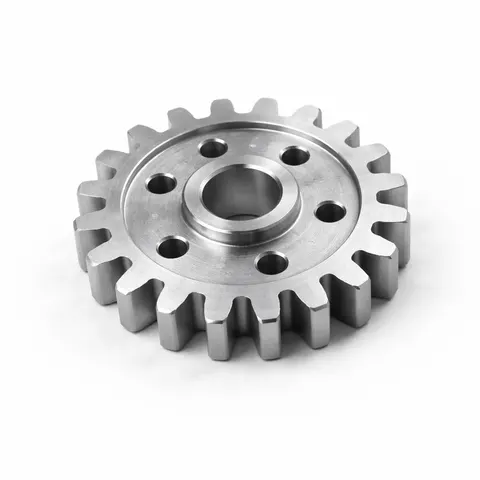
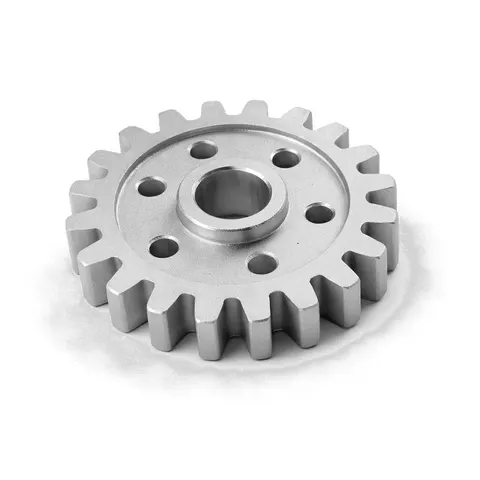
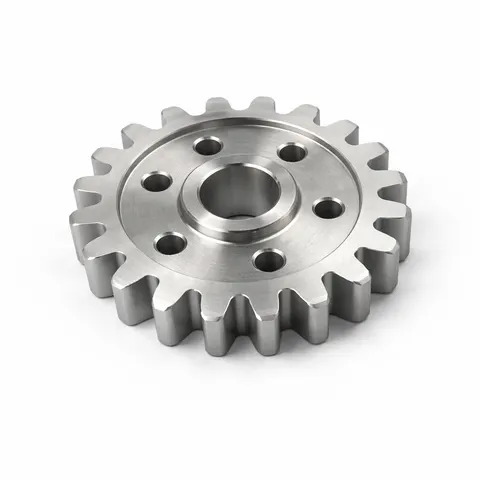
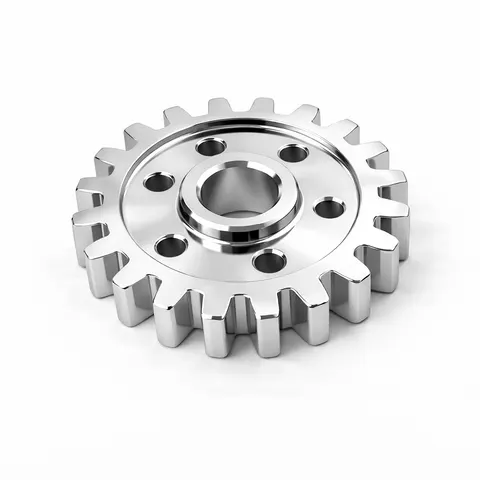
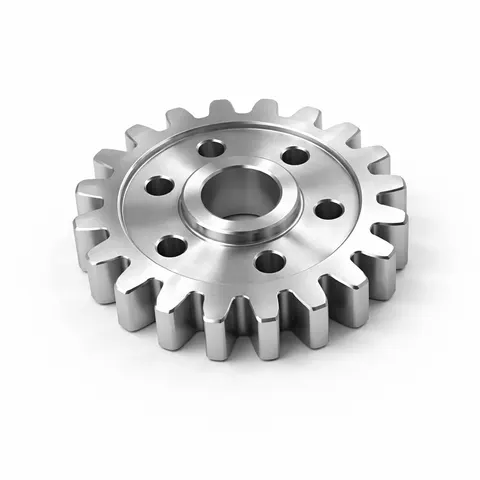
Stainless is usually left bare. Passivation restores corrosion resistance after machining.
Which stainless steel?
Start with 304 and move only when the environment or the load demands it.
| Grade | Known for | Watch out for |
|---|---|---|
| 303free machining | Sulfur added; the easiest stainless to cut and thread. | Lower corrosion resistance; poor for welding. |
| 304general purpose | Good corrosion resistance, weldable, widely stocked. | Pits in salt water and chlorides. |
| 316marine, chemical | Molybdenum added for chlorides and acids. | Slower to machine than 304. |
| 17-4 PHhigh strength | Heat-treated to high strength and hardness. | Specify the condition (H900, H1025, H1150). |
How to order
- 1Upload a STEP file.Pick the grade, finish and quantity. Add a PDF drawing for tolerances and threads.
- 2Review price and DFM.Standard and expedited ship dates side by side for your exact part.
- 3Order online.Every order is first-article inspected before it ships.
Questions about CNC stainless steel
Which stainless steel is easiest to machine?
303. Added sulfur breaks the chips and speeds cutting, which makes it the usual choice for turned parts. It gives up some corrosion resistance and does not weld well.
304 or 316 for my part?
304 for most indoor and food-contact parts. 316 when the part sees salt water, chlorides or acids; molybdenum gives it better pitting resistance.
How much more does stainless cost than aluminum?
For the same part, 304 usually costs about 1.4–1.6× 6061 aluminum and 316L about 1.5–1.8×. Most of the difference is slower cutting, not the stock.
Do you passivate machined stainless parts?
On request. Passivation removes free iron left by cutting tools and restores the passive layer. Choose it in the quote.
Can you heat-treat 17-4 PH?
Yes. Specify the condition on the drawing, for example H900 for maximum hardness or H1150 for toughness.
What tolerance can you hold in stainless?
±0.025 mm on toleranced features as standard, and ±0.01 mm on request. Untoleranced dimensions follow ISO 2768-m.
Price your stainless part now
Upload a STEP file and get a price, ship date and DFM notes in minutes.