
MIL-A-8625
Anodic Coatings for Aluminum and Aluminum Alloys
Covers six types and two classes of electrolytically formed anodic coatings on aluminum and aluminum alloys for non-architectural applications.
Superseded: MIL-PRF-8625. New drawings should cite the successor; existing call-outs to MIL-A-8625 remain understood.
What MIL-A-8625 specifies
MIL-A-8625 is the legacy drawing designation for the document now maintained as MIL-PRF-8625. It separates anodize chemistry and performance by Type I, IB, IC, II, IIB, or III, and appearance by Class 1, non-dyed, or Class 2, dyed. Types I through IIB are controlled primarily by unsealed coating weight; Type III is controlled by drawing thickness and abrasion performance. Sealed coatings are corrosion-tested for 336 hours in ASTM B117 salt spray. A drawing must state the type, class, color when Class 2 is used, Type III thickness, sealing requirements where applicable, and any masking or dimensional limits.
MIL-A-8625 types and classes
Every designation the document defines, with the thickness it requires and the tests it imposes.
| Designation | Meaning | Thickness | Coating weight | Requirement / test |
|---|---|---|---|---|
Type I Class 1 | Chromic-acid anodize, non-dyed. | 0.5–7.6 µm 0.02–0.3 mil | At least 200 mg/ft² unsealed (0.0215 g/dm²). | Coating weight; sealed corrosion test, ASTM B117, 336 h. |
Type I Class 2 | Chromic-acid anodize, dyed. | 0.5–7.6 µm 0.02–0.3 mil | At least 200 mg/ft² unsealed (0.0215 g/dm²). | Coating weight; sealed corrosion test, ASTM B117, 336 h; light fastness when specified. |
Type IB Class 1 | Low-voltage chromic-acid anodize, non-dyed. | 0.5–7.6 µm 0.02–0.3 mil | At least 200 mg/ft² unsealed (0.0215 g/dm²). | Coating weight; sealed corrosion test, ASTM B117, 336 h. |
Type IB Class 2 | Low-voltage chromic-acid anodize, dyed. | 0.5–7.6 µm 0.02–0.3 mil | At least 200 mg/ft² unsealed (0.0215 g/dm²). | Coating weight; sealed corrosion test, ASTM B117, 336 h; light fastness when specified. |
Type IC Class 1 | Non-chromic alternative to Type I or IB, non-dyed. | 0.5–25.4 µm 0.02–1 mil | 200–700 mg/ft² unsealed (0.0215–0.0753 g/dm²); higher weight only when specified. | Coating weight; sealed corrosion test, ASTM B117, 336 h. |
Type IC Class 2 | Non-chromic alternative to Type I or IB, dyed. | 0.5–25.4 µm 0.02–1 mil | 200–700 mg/ft² unsealed (0.0215–0.0753 g/dm²); higher weight only when specified. | Coating weight; sealed corrosion test, ASTM B117, 336 h; light fastness when specified. |
Type II Class 1 | Conventional sulfuric-acid anodize, non-dyed. | 2–25 µm 0.07–1 mil | At least 1000 mg/ft² unsealed (0.1076 g/dm²). | Coating weight; sealed corrosion test, ASTM B117, 336 h. |
Type II Class 2 | Conventional sulfuric-acid anodize, dyed. | 2–25 µm 0.07–1 mil | At least 1000 mg/ft² unsealed (0.1076 g/dm²). | Coating weight; sealed corrosion test, ASTM B117, 336 h; light fastness when specified. |
Type IIB Class 1 | Thin sulfuric-acid anodize used as a non-chromic alternative to Type I or IB, non-dyed. | 0.5–25.4 µm 0.02–1 mil | 200–1000 mg/ft² unsealed (0.0215–0.1076 g/dm²). | Coating weight; sealed corrosion test, ASTM B117, 336 h. |
Type IIB Class 2 | Thin sulfuric-acid anodize used as a non-chromic alternative to Type I or IB, dyed. | 0.5–25.4 µm 0.02–1 mil | 200–1000 mg/ft² unsealed (0.0215–0.1076 g/dm²). | Coating weight; sealed corrosion test, ASTM B117, 336 h; light fastness when specified. |
Type III Class 1 | Hard anodize, non-dyed; thickness must be stated, with 50.8 µm nominal when omitted. | 13–114 µm 0.5–4.5 mil | When weight substitutes for thickness: at least 4320 mg/ft² per 0.001 in of unsealed coating (0.465 g/dm² per 25.4 µm). | Thickness or coating weight; abrasion resistance; corrosion test, ASTM B117, 336 h, only when sealed corrosion resistance is specified. |
Type III Class 2 | Hard anodize, dyed; thickness must be stated, with 50.8 µm nominal when omitted. | 13–114 µm 0.5–4.5 mil | When weight substitutes for thickness: at least 4320 mg/ft² per 0.001 in of unsealed coating (0.465 g/dm² per 25.4 µm). | Thickness or coating weight; abrasion resistance; corrosion test, ASTM B117, 336 h, only when sealed corrosion resistance is specified; light fastness when specified. |
Tests and the drawing call-out
Tests the document imposes
- Unsealed coating weight by the specified stripping method
- Coating thickness by eddy-current or microscopic method
- ASTM B117 salt spray for 336 h on sealed coatings
- Abrasion resistance for Type III
- Dye light fastness when specified
- Visual examination for continuity, color, burning, powdering, and damage
How to cite it
Drawing call-out
ANODIZE PER MIL-A-8625 TYPE <I|IB|IC|II|IIB|III>, CLASS <1|2>, [COLOR], [THICKNESS FOR TYPE III], [SEAL], [MASKING]Angle brackets mark the choices the drawing must make; every finish page shows a completed example.
Finishes specified to MIL-A-8625
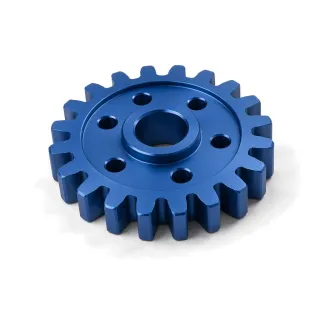 Anodizing Type IIAnodizing & conversion coatingsType II sulfuric anodizing converts aluminum into a porous aluminum-oxide coating that can be clear or dyed.CorrosionHardnessCost$$
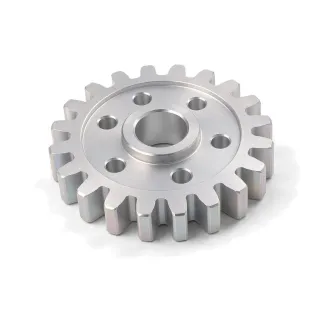 Boric-Sulfuric Acid Anodizing Type ICAnodizing & conversion coatingsBoric-sulfuric acid anodizing is a thin aerospace aluminum anodize recognized as MIL-A-8625 Type IC.CorrosionHardnessCost$$$
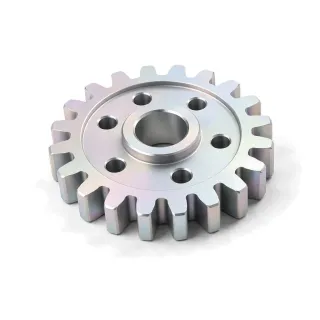 Chromic Acid Anodizing Type IAnodizing & conversion coatingsType I and low-voltage Type IB chromic-acid anodizing form thin, corrosion-resistant oxide on aluminum with less fatigue penalty than thick sulfuric anodize.CorrosionHardnessCost$$$
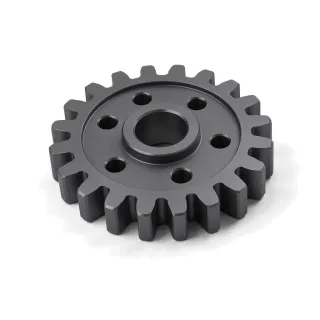 Hard Anodizing Type IIIAnodizing & conversion coatingsType III hard anodizing forms a thick, dense aluminum-oxide layer for sliding, abrasive, and high-load service.CorrosionHardnessCost$$$
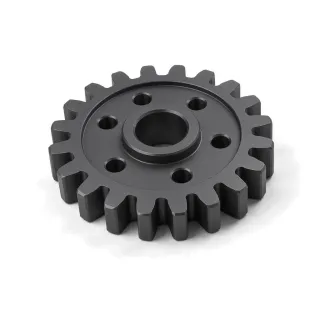 Hard Anodizing Type III With PTFEAnodizing & conversion coatingsPTFE hard anodize combines a 25–75 µm Type III oxide with a fluoropolymer impregnation or post-treatment to reduce friction.CorrosionHardnessCost$$$
MIL-A-8625 — frequently asked
What is MIL-A-8625 Type II Class 2?
It is conventional sulfuric-acid anodizing with a dyed finish. Type II defines the process and coating performance; Class 2 means the coating is dyed, so the drawing should also state the required color.
What is the difference between Class 1 and Class 2?
Class 1 is non-dyed and Class 2 is dyed. The class does not by itself set the anodize thickness; the type and any drawing requirement do.
Is MIL-A-8625 still current?
The familiar MIL-A designation has been redesignated MIL-PRF-8625 in the current ASSIST record. Legacy drawings commonly retain MIL-A-8625, but new procurement should identify the controlled current document.
How thick is Type III hard anodize?
The drawing should specify thickness. If it does not, the specification default is nominally 0.002 in, or 50.8 µm, with the applicable thickness tolerance.
MIL-A-8625 is a work of the US Government and not subject to copyright. The authoritative copy is the DLA ASSIST database; check it for amendments issued after this page was updated. Official source ↗