
ASTM A967
Standard Specification for Chemical Passivation Treatments for Stainless Steel Parts
Specifies nitric-acid and citric-acid passivation treatments and verification tests for stainless steel parts.
What ASTM A967 specifies
ASTM A967 defines five nitric treatments and five citric treatments for removing free iron and promoting a passive stainless-steel surface. The treatment number identifies a permitted chemistry and operating window, not a corrosion-resistance grade. The purchaser must select an appropriate treatment and one or more acceptance tests. Verification options include water immersion, high humidity, salt spray, copper sulfate, potassium ferricyanide-nitric acid, and free-iron testing. Alloy restrictions matter: copper sulfate is not suitable for every stainless grade. Drawings should identify the treatment family and number, acceptance test, areas to process, and any cleaning restrictions.
ASTM A967 types and classes
Every designation the document defines, with the thickness it requires and the tests it imposes.
| Designation | Meaning | Requirement / test |
|---|---|---|
Nitric 1–5 | Five nitric-acid treatment windows differing in concentration, temperature, time, and optional oxidizing salt | One or more specified passivation verification tests |
Citric 1–5 | Five citric-acid treatment windows differing in concentration, temperature, and time | One or more specified passivation verification tests |
Tests and the drawing call-out
Tests the document imposes
- Water immersion
- High humidity
- Salt spray
- Copper sulfate
- Potassium ferricyanide-nitric acid
- Free iron
How to cite it
Drawing call-out
PASSIVATE PER ASTM A967, <NITRIC|CITRIC> <1–5>, TEST <METHOD>Angle brackets mark the choices the drawing must make; every finish page shows a completed example.
Finishes specified to ASTM A967
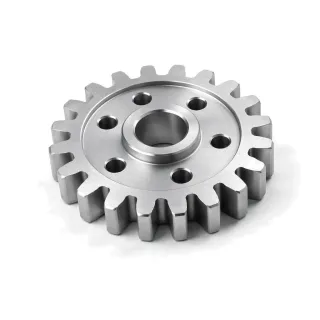 Citric Acid PassivationPassivation & electropolishingCitric-acid passivation is a separately searched and specified stainless-steel passivation route that removes free iron without nitric acid.CorrosionHardnessCost$
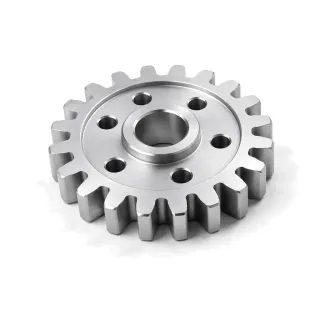 Stainless Steel PassivationPassivation & electropolishingPassivation removes free iron and shop contamination from stainless steel so its chromium-rich passive film can reform.CorrosionHardnessCost$
Also referenced by: Electropolishing, Stainless Steel Pickling.
ASTM A967 — frequently asked
What is the difference between ASTM A967 nitric and citric passivation?
They are alternative chemical-treatment families. Selection depends on alloy, contamination, process controls, and customer restrictions rather than a simple better-or-worse ranking.
Does ASTM A967 passivation add thickness?
No measurable dimensional coating is intentionally deposited. The process removes contamination and supports formation of the native passive film.
Which ASTM A967 test should a drawing require?
Choose a test compatible with the stainless grade and service risk. Copper sulfate is useful for detecting free iron but is restricted for certain alloys.
ASTM A967 is copyrighted by ASTM International. This page explains the document so a drawing can be read; it does not reproduce the standard. Purchase the current edition from the publisher. Official source ↗