
Zinc Phosphate
Black oxide & phosphate · Chemical bath
Zinc phosphate forms a crystalline conversion layer on steel, principally as an adhesion and corrosion-resistance base for paint, powder coat, or oil.
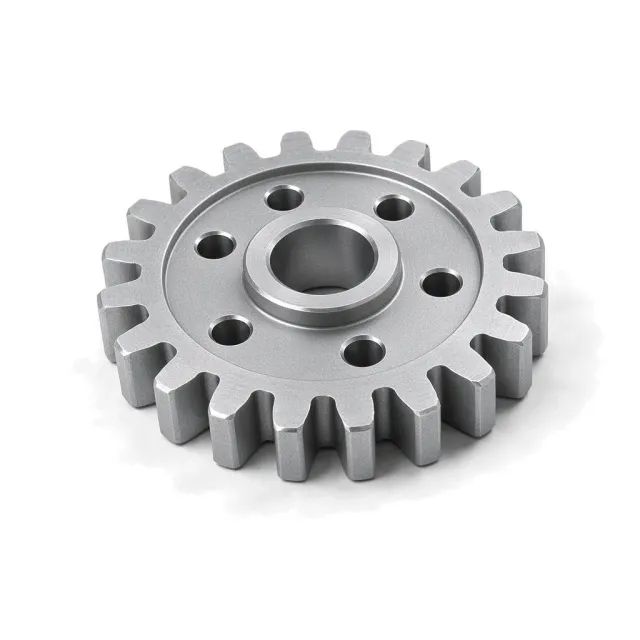
What is Zinc phosphate?
MIL-DTL-16232 Type Z controls coating classes by nominal coating weight.
How it works
Clean, activated steel contacts an acidic zinc-phosphate solution. Local acid attack raises interfacial pH and precipitates fine zinc-iron phosphate crystals bonded to the substrate. Bath chemistry, activation, time, and temperature control crystal size and coating weight. Typical engineering layers are about 5–25 µm, but MIL-DTL-16232 acceptance is based on coating mass: Type Z classes include approximately 11, 16, and 22 g/m² minimum. Oil, paint, or another seal provides the final barrier.
Why specify it
- Provides an anchored crystalline base for paint
- MIL-DTL-16232 classes control coating mass (commonly 11 g/m² minimum for Type Z)
- Improves underfilm corrosion resistance
- Can retain oil for temporary protection
Where it falls short
- Not a durable outdoor barrier without paint or seal
- Crystal texture changes surface roughness
- Acid bath requires hydrogen-embrittlement controls on high-strength steel
- Coating thickness is less useful than coating weight for acceptance
Zinc phosphate at a glance
Zinc phosphate is a middle-of-the-range finish; its best score is corrosion protection (38 of 100), at a budget cost. Surface hardness is not rated: the finish leaves the part's own surface.
Each score is 0–100 against every finish in this catalog. Corrosion comes from salt-spray life (ASTM B117, log scale) and hardness from the finish layer's Vickers or pencil hardness; cosmetic, lubricity and cost are FabDigit's engineering assessment. Economy on the radar is the inverse of cost.
Zinc phosphate key numbers
Typical values from the governing specifications and shop practice; bars are this finish against the highest value among black oxide & phosphate finishes.
- Thickness
- Typical 2–15 µm; paint-base coatings sit at the light end. Governing specifications control coating mass rather than thickness.
- Corrosion (salt spray)
- 24–72 h per ASTM B117 to red rust with supplementary oil (typical) — MIL-DTL-16232 requires under 2 h — phosphate is a paint / oil base, not a barrier on its own.
- Electrical
- Semi-conductive
- Colours
- gray
- Appearance
- Fine to coarse matte gray crystalline surface.
Specifications for Zinc phosphate
The documents a drawing cites to define this finish, with the Type / Class rows that apply. Each links to a page explaining the standard, and US Government documents are free to download there.
| Standard | Type / Class | Thickness | Requirement / test | Status |
|---|---|---|---|---|
Phosphate Coating, Heavy, Manganese or Zinc Base · DoD | Type Z Class 1 | — | Zinc-phosphate base with a purchaser-specified supplementary preservative treatment or coating. · Heavy zinc-phosphate coating; applicable coating-weight requirement is selected by the controlled specification and order. · Coating weight, coverage, adhesion, and specified supplementary-treatment performance. | Active |
| Type Z Class 2 | — | Zinc-phosphate base with specified oil or Grade 3 corrosion preventive. · Heavy zinc-phosphate coating. · At least 72 h salt spray without corrosion with the required supplementary treatment. | ||
| Type Z Class 3 | — | Zinc-phosphate base with no supplementary treatment. · Heavy zinc-phosphate coating. · Coating weight, coverage, adhesion, and visual quality; no oil-based corrosion requirement applies. | ||
| Type Z Class 4 | — | Chemically converted zinc-phosphate coating; may be dyed or supplementary-treated when specified. · Heavy zinc-phosphate coating. · Specified class-system corrosion and supplementary-treatment tests. |
Drawing call-out
ZINC PHOSPHATE PER MIL-DTL-16232 TYPE Z, CLASS 1, 11 G/M² MINIMUM COATING WEIGHT; APPLY CORROSION-PREVENTIVE OILPattern: PHOSPHATE COAT PER MIL-DTL-16232 TYPE <M|Z>, CLASS <1|2|3|4>, [SUPPLEMENTARY TREATMENT], [COLOR], [MASKING]
Which materials take Zinc phosphate?
Verdict per material family, with the grades that behave differently. Each family links to its datasheets in the material library.
| Material family | Verdict | Notes |
|---|---|---|
| Yes | Designed primarily for carbon and low-alloy steel.
| |
| With care | Steel DMLS/SLM parts may be processed after density and residual-powder review. | |
| No | This conversion is for ferrous alloys, not aluminum. | |
| No | Brass does not accept this ferrous conversion coating. | |
| No | Copper alloys do not form this ferrous conversion coating. | |
| No | Fused-filament polymers are incompatible with this process. | |
| No | Magnesium is incompatible with this process. | |
| No | Polymer powder-bed prints are incompatible with this process. | |
| No | Organic polymers cannot take this inorganic metal-finishing process. | |
| No | Photopolymer prints are incompatible with this process. | |
| No | Polymer powder-bed prints are incompatible with this process. | |
| No | Passive stainless does not accept ordinary zinc phosphate without specialized activation. | |
| No | Titanium is not processed in these ferrous baths. | |
| No | Zinc alloys are not the intended substrate. |
How Zinc phosphate is applied, and what it does to the part
- 1Degrease
- 2Rinse
- 3Pickle if needed
- 4Activate
- 5Zinc phosphate
- 6Oil / seal / paint
| Dimensions | Allow for 2–15 µm porous crystalline buildup per surface where fits are critical. |
|---|---|
| Build-up per side | 2–15 µm — Crystalline buildup can affect close fits; actual thickness follows coating weight and crystal structure. |
| Masking | Usually needed. Mask precision fits, electrical contacts, threads with tight allowance, and surfaces not receiving the subsequent paint or oil. |
| Electrical | Semi-conductive |
| Appearance | Fine to coarse matte gray crystalline surface. |
| Added lead time | 2–4 working days on top of the bare part |
Design rules for Zinc phosphate
What to decide on the drawing before the part goes to the finisher.
- Specify Type Z class and after-finish.Coating mass and paint or oil determine performance.
- Control coating by mass, not only thickness.Crystal density makes thickness an unreliable acceptance measure.
- Mask precision fits and contacts.A 5–25 µm porous layer can impair dimensions and conductivity.
- Review high-strength steel for embrittlement.Acid cleaning can introduce hydrogen before phosphating.
Zinc phosphate versus the alternatives
Finishes engineers weigh against Zinc phosphate, and when each wins.
| Finish | Corrosion | Hardness | Cosmetic | Cost | Thickness | Choose it when |
|---|---|---|---|---|---|---|
Zinc phosphate this page | 38 | — | 18 | $ | 2–15 µm | — |
| 38 | — | 25 | $$ | 5–20 µm | when wear-in and oil retention are primary | |
| 38 | — | 55 | $ | 0.5–2 µm | when minimal dimensional change is primary |
The radar overlays Zinc phosphate with Manganese Phosphate, its most common alternative — chosen when wear-in and oil retention are primary. Scores in the table are 0–100 across every finish in the catalog.
Cost, lead time and compliance
Relative cost
Zinc Phosphate is a budget-cost finish ($): cheaper than about 81 % of the finishes FabDigit quotes.
Finishing is priced per part with a lot minimum, from FabDigit's own China-side rates cross-checked against US job-shop pricing. The exact figure appears on the instant quote once the part is uploaded.
Lead time and compliance
| Added lead time | 2–4 working days |
|---|---|
| RoHS | Compliant |
| Notes | Phosphate chemistry can be RoHS compliant; verify seal, oil, accelerator, and wastewater controls. |
What Zinc phosphate is used for
- Pre-paint steel preparation
- Automotive chassis parts
- Structural steel components
- Oiled steel hardware
Zinc phosphate — frequently asked
What is zinc phosphate coating used for?
Its main role is a crystalline adhesion base for paint or powder coat. It can also hold oil for temporary corrosion protection.
How thick is zinc phosphate?
A typical engineering range is about 2–15 µm. MIL-DTL-16232 more reliably controls coating mass, with Type Z classes around 11–22 g/m² minimum.
Does zinc phosphate prevent rust?
It improves corrosion resistance but is porous and needs paint, oil, or seal for meaningful protection. Do not treat the bare phosphate as a long-term outdoor coating.
Zinc phosphate vs manganese phosphate: what is the difference?
Zinc phosphate is commonly selected as a paint base and can use lighter coating masses. Manganese phosphate is generally heavier and favored for oil retention and wear-in on moving parts.
Can zinc phosphate affect threads?
Yes, because the crystalline layer can be 2–15 µm per surface. Tight threads and bearing fits should be masked or dimensioned for coating.