
Bridge Tooling for Injection Molding
Molded parts in your production resin in weeks, before you commit to a hardened steel tool.
- 2–3 wks
- Aluminum tool
- 4–6 wks
- P20 steel tool
- ±0.1 mm
- Typical tolerance
- 5–10 days
- Repeat orders
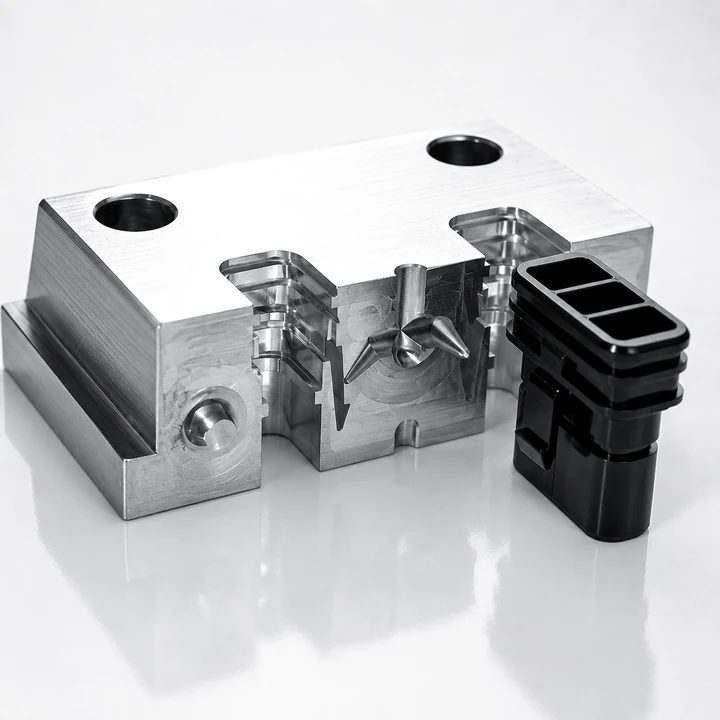
A bridge tool covers the gap between prototypes and full production. It makes real molded parts in the real resin, so you can test fit, snaps and appearance, launch, and keep shipping while demand or the design settles. Repeat orders run from the same tool.
Commonly used for:
- Launch builds and pilot runs
- Design validation in the production resin
- Supply while the steel tool is built
- Products with uncertain demand
- Certification and field-test samples
What bridge tools make
Parts that need to be molded before the volume justifies hardened steel.
Housings and covers
Enclosure halves with bosses, ribs and snaps.
Snap-fit clips
Features that only behave right when molded.
Bezels and buttons
Cosmetic parts that need the final polish or texture.
Brackets and mounts
Structural plastic parts in nylon, PC or glass-filled grades.
Overmolded grips
TPU or TPE over a rigid core.
Insert-molded parts
Brass or steel inserts molded in place.
Bridge tooling capabilities
The tool is chosen from your quantity and resin. Tool life and ownership are written into the quote.
Tool options
Aluminum costs less and is built faster. Glass-filled resins wear aluminum faster; for those we quote P20 or hardened inserts.
| Tool | Typical shots | Tool build |
|---|---|---|
| Aluminum | 5,000–10,000 | 2–3 weeks |
| P20 steel | 100,000–1,000,000 | 4–6 weeks |
| Hardened steel | 1,000,000+ | 6–12 weeks |
Tolerances
Tolerance classes per DIN 16742. Shrinkage depends on the resin and wall, so we confirm critical dimensions on the T1 samples.
Part size
Walls 0.5 to 4 mm; 1.5 to 3 mm molds best. Below 0.8 mm we run a fill analysis before cutting the tool.
Samples
We mold first samples, measure them and send them for your sign-off. Corrections go into a T2 trial before the run.
Ownership
Customer-owned tooling is a separate quote line. We store and maintain the mold and run repeat orders from it; you can move it to another molder.
Resins
ABS, PC, PP, PE, nylon, POM, TPE / TPU, glass-filled and flame-retardant grades. A material certificate ships with every resin lot.
Materials
Common bridge-tool resins. Each links to its datasheet.
Cost by quantity
Machining wins the first couple of hundred parts. Past that an aluminum tool pays for itself; steel only wins in the thousands.
Cost per part, tooling included
Reference ABS housing. 100 % = the CNC-machined part at 50 units.
| Quantity | CNC machining | Aluminum tool | Steel tool |
|---|---|---|---|
| 50 | 100 % | 364 % | — |
| 200 | 94 % | 109 % | 416 % |
| 1,000 | 92 % | 41 % | 90 % |
| 10,000 | 92 % | 26 % | 16 % |
Not a quote. Tooling spread across the run for one palm-size ABS housing; your crossover depends on the part. Assumptions in the injection molding cost guide.
Mold finishes
Polish or texture is cut into the tool. Name the SPI grade on the drawing.
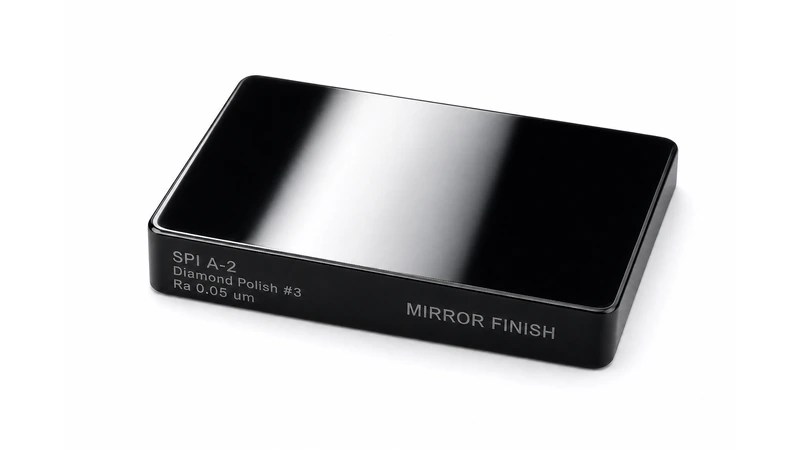 Finish: SPI A-2 high gloss
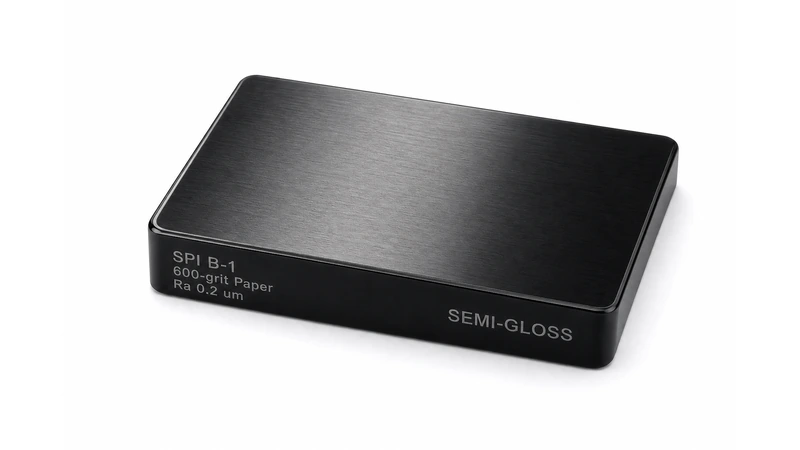 Finish: SPI B-1 semi-gloss
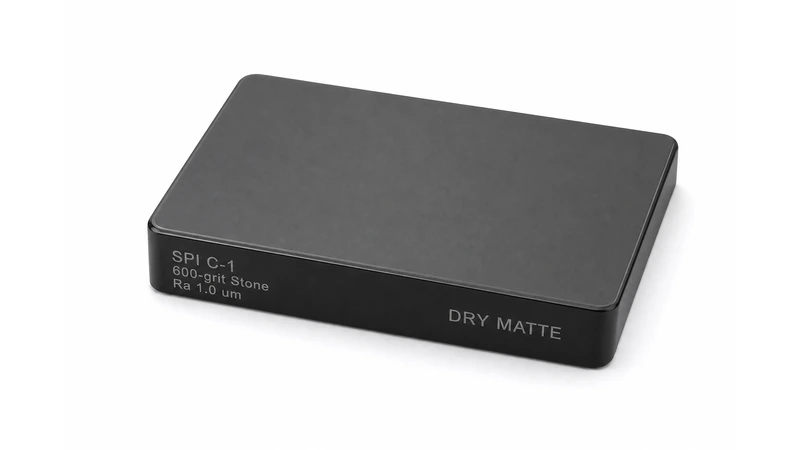 Finish: SPI C-1 matte
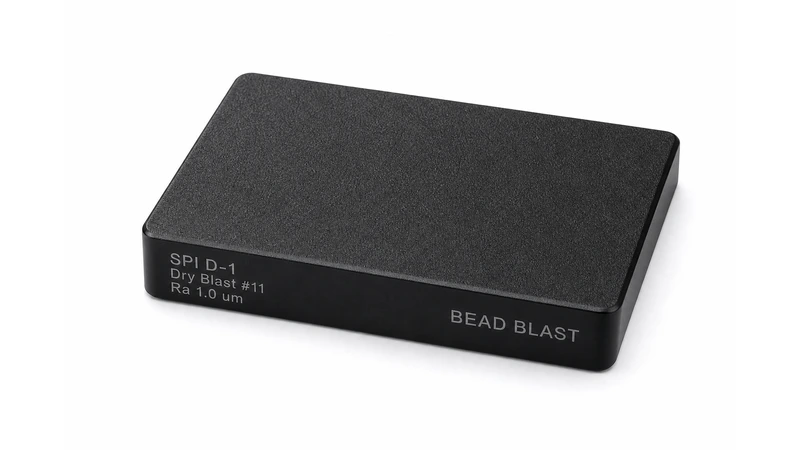 Finish: SPI D-1 bead-blast texture
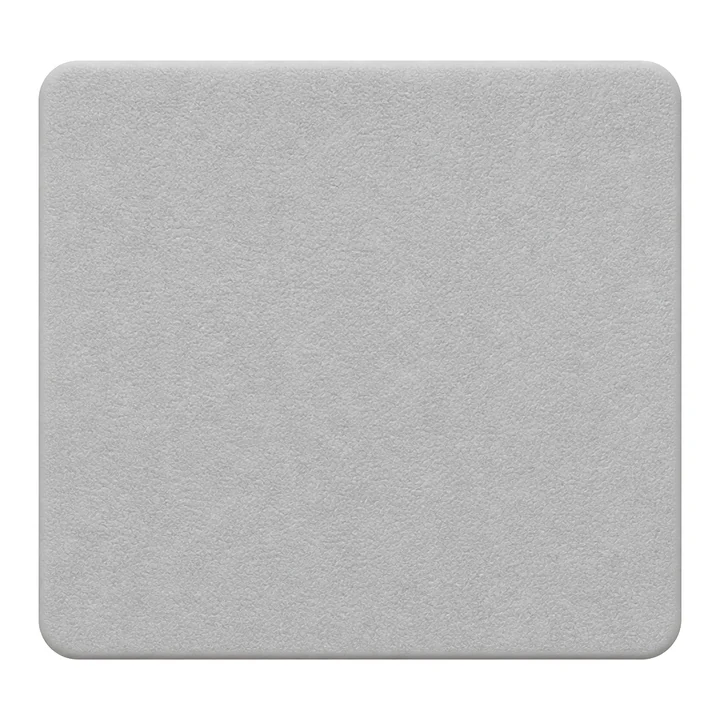 Finish: Mold-Tech texture
Bridge tool or production tool?
Bridge is a role, not a material. It ends when the part, the demand or the steel tool is ready.
| Tool | Choose it when | Watch for |
|---|---|---|
| Aluminum bridgefastest | Hundreds to a few thousand parts, design may still change. | Wears faster with glass-filled resin. |
| P20 bridgelonger life | Tens of thousands of parts, or a filled resin. | Longer build and higher tool cost. |
| Hardened productionmillions | Design frozen and volume proven. | Highest tool cost; changes are slow. |
How to order
- 1Upload CAD and quantities.STEP file, resin and colour, the first batch and expected repeat orders.
- 2Review DFM and the tool plan.An engineer checks draft, walls, gates and undercuts and proposes the tool.
- 3Approve T1 samples.Sign off the first samples; the run ships after approval.
Questions about bridge tooling
What is bridge tooling?
A mold that covers the gap between prototypes and full production: launch builds, validation in the real resin, or supply while the steel tool is made. It can be aluminum or P20 steel.
How long does a bridge tool take?
About 2–3 weeks for an aluminum tool and 4–6 weeks for P20 steel, then T1 samples. Repeat orders from the same tool ship in 5–10 business days.
How many parts does an aluminum mold make?
Typically 5,000–10,000 shots with unfilled resins, fewer with glass-filled grades. The expected life is stated in the quote.
When is a bridge tool cheaper than machining?
For the reference housing in our cost guide, past about 250 parts. Your crossover depends on part size, resin and tolerances; compare both quotes at your quantity.
Are bridge-tool parts the same as production parts?
They use the same resin, but a different tool can change gates, cooling and shrinkage. Re-check critical dimensions on the production tool’s samples.
Who owns the mold?
You can. Customer-owned tooling is a separate quote line; we store and maintain it, and you can move it to another molder.
Get your bridge tool quoted
Send the CAD, resin and first quantity. An engineer proposes the tool.