
Insert Molding and Overmolding
Metal inserts and soft-touch grips molded into the part, so there is nothing to assemble afterwards.
- Brass · steel
- Molded-in inserts
- TPE / TPU
- Soft overmold
- +1 week
- Second-shot cavity
- ±0.1 mm
- Typical tolerance
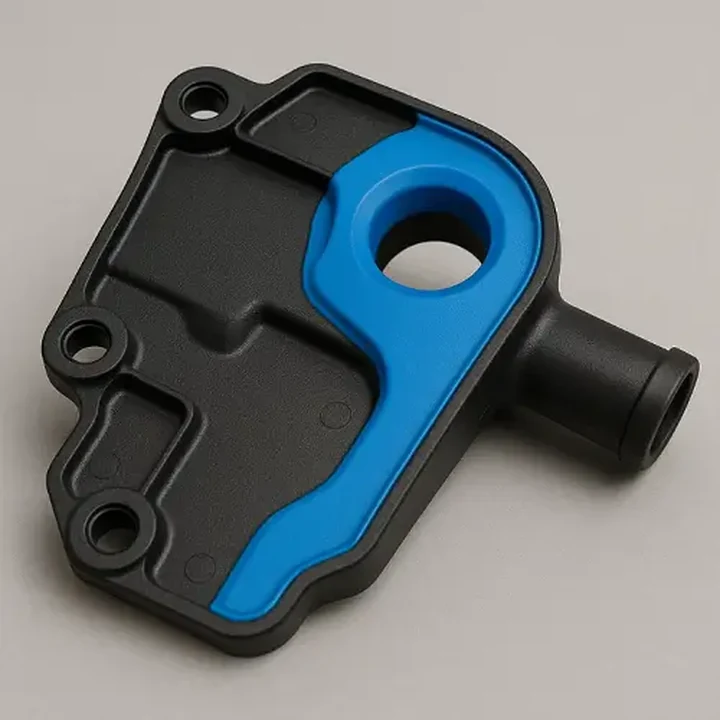
Insert molding places a metal part, such as a threaded insert or pin, in the mold and shoots plastic around it. Overmolding molds a second material over the first, usually a soft grip or seal on a rigid core. Both remove an assembly step and lock the parts together.
Commonly used for:
- Threaded bosses in housings
- Soft-grip handles and tools
- Buttons and seals on enclosures
- Electrical pins and contacts
- Knobs and wheels with metal hubs
What we mold
Parts that combine metal and plastic, or two plastics, in one piece.
Threaded inserts
Brass inserts molded into bosses for machine screws.
Soft-grip handles
TPE or TPU over a rigid ABS or PC core.
Pins and contacts
Metal pins held in a molded connector body.
Seals and buttons
A soft second shot on an enclosure or keypad.
Knobs with metal hubs
Plastic molded around a steel hub or shaft.
Bumpers and feet
Soft corners molded onto a hard housing.
Insert molding and overmolding capabilities
Tool, samples and production run in one order.
Routes
The engineer picks the route from your quantity, materials and part shape.
| Route | How it works | Fits |
|---|---|---|
| Insert molding | Insert placed in the tool, plastic shot around it | Metal inserts, pins, hubs |
| Two-shot | Two materials on a multi-station press, one cycle | Grips and seals at volume |
| Post-mold insert | Heat-set or ultrasonic insert after molding | Threads in low-volume parts |
Inserts
Name the insert part number on the drawing, or send your custom inserts. Knurls or grooves on the insert hold it against pull-out and torque.
Materials
The two materials must bond, or the design needs undercuts and through-holes to lock them mechanically. We check the pair before cutting the tool.
Lead time
Aluminum tools take 2–3 weeks, P20 steel 4–6 weeks, then T1 samples. Repeat orders run from the same tool.
Tolerances
Insert position and soft-shot dimensions are checked on the T1 samples.
Part size
Walls 0.5 to 4 mm. A thin, even soft layer over a rigid core fills and bonds best.
Materials
Common substrate and overmold resins. Each links to its datasheet.
Rigid substrate
Soft overmold
Inserts
Finishes
Mold finishes are cut into the tool; decoration is added after molding.
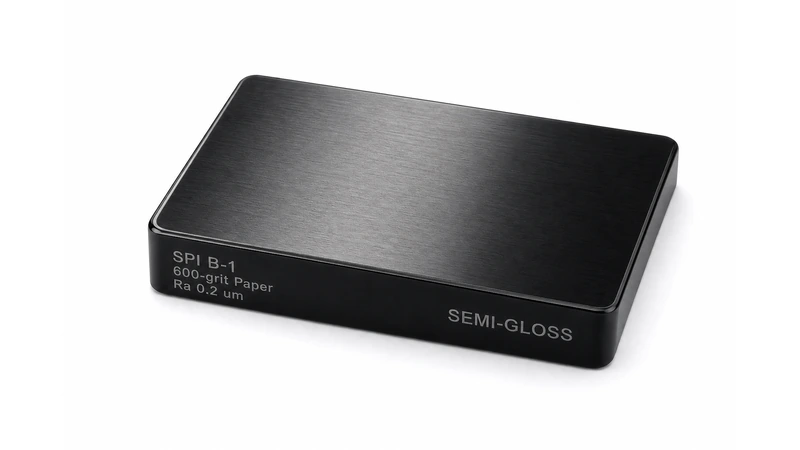 Finish: SPI B-1 semi-gloss
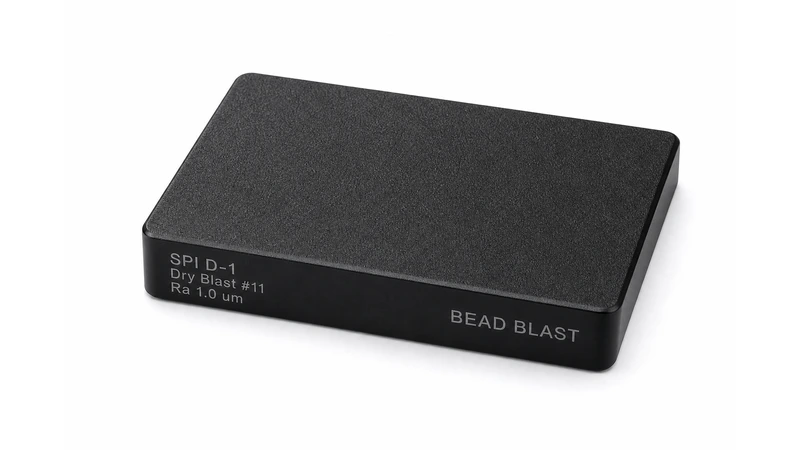 Finish: SPI D-1 bead-blast texture
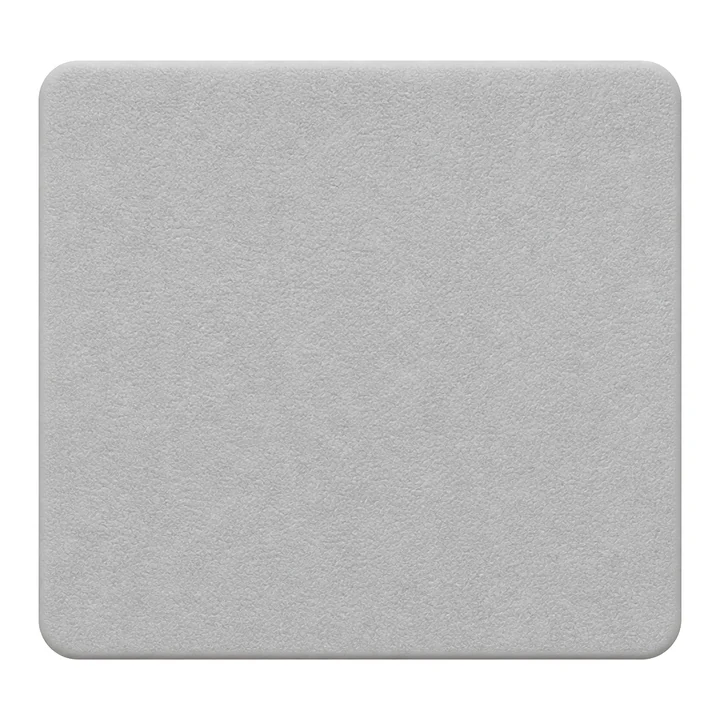 Finish: Mold-Tech texture
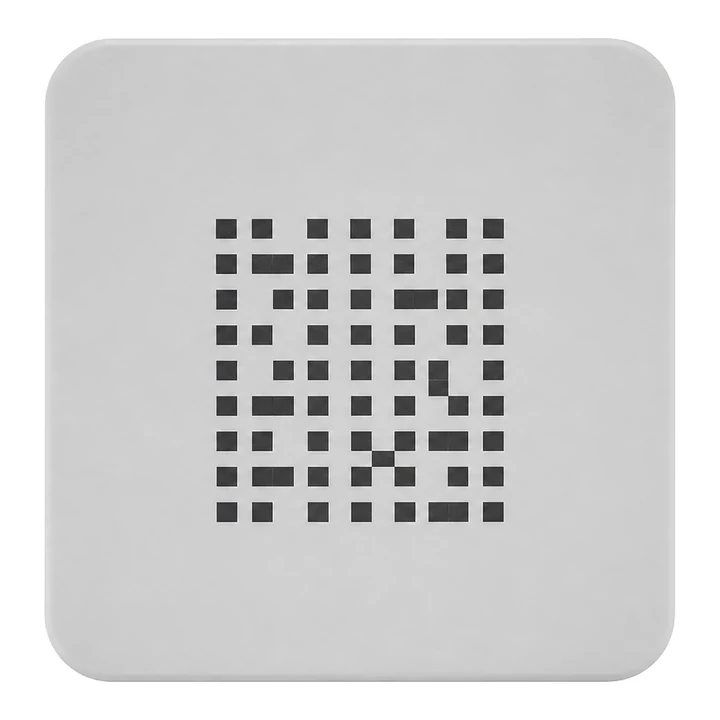 Finish: Pad printing
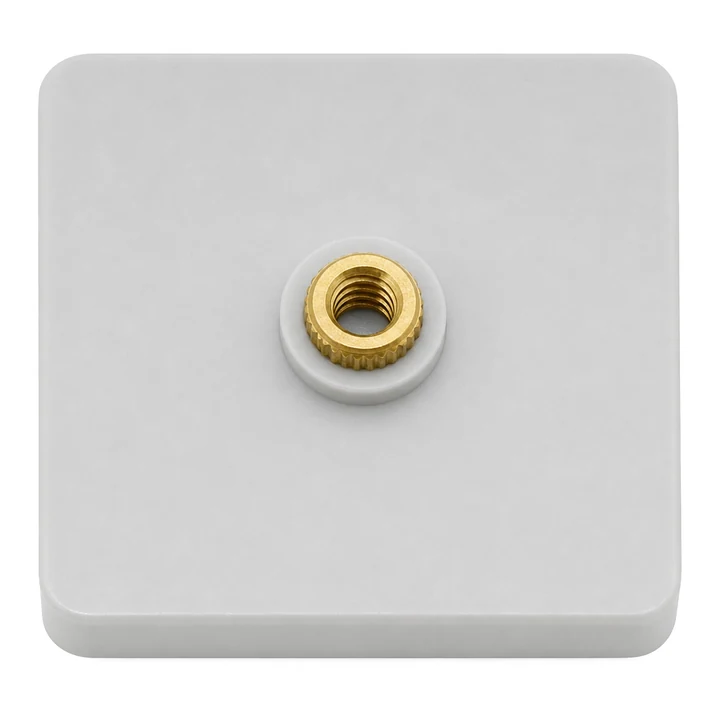 Finish: Heat-set inserts
Molded in or added after?
Molding an insert or grip in saves assembly; adding it later keeps the tool simple.
| Route | Choose it when | Trade-off |
|---|---|---|
| Insert moldingone tool | Inserts must hold high torque or pull-out. | Inserts are loaded each cycle. |
| Two-shotone press | A soft grip or seal on thousands of parts. | Second cavity adds tool cost and a week. |
| Heat-set insertafter molding | Low volumes or threads added late. | An extra step per part. |
How to order
- 1Upload CAD.The molded part plus insert part numbers or models, both resins and the quantity.
- 2Review DFM and the tool plan.An engineer checks insert location, bonding and the route.
- 3Approve T1 samples.Sign off the first samples; production ships after approval.
Questions about insert molding and overmolding
What is the difference between insert molding and overmolding?
Insert molding shoots plastic around a part placed in the mold, usually metal. Overmolding molds a second plastic over the first, such as a soft grip on a rigid handle.
What is two-shot molding?
Both materials are molded on one multi-station press in one cycle. It suits soft grips and seals at volume; the second-shot cavity adds about a week to the tool.
Which inserts can you mold in?
Brass and steel inserts, pins and hubs: standard part numbers or your own custom inserts.
Which materials bond in overmolding?
Soft TPE or TPU over ABS or PC is the common pair. Other pairs may need mechanical interlocks; we check bonding before the tool is cut.
Is insert molding better than heat-set inserts?
Molded-in inserts usually hold more torque and pull-out and remove a step. Heat-set inserts keep the tool simpler and suit low volumes.
Get your two-material part quoted
Send the CAD, both materials and the quantity. An engineer proposes the tool.