
Lithium-Ion Battery Consulting
From cell chemistry
to factory floor
to fielded fleet.
Independent battery program consulting — R&D and cell design, manufacturing scale-up, supplier qualification, abuse and reliability validation, and pack integration. Engineers who have shipped real cells at production scale.


Production-shipped engineers
Consultants who have qualified, scaled, and shipped real cells — not lab-only experts.

Hours, not weeks
Discovery calls within 48 hours. Scoping memos within a week. We stay accountable to the clock.

Independent + un-conflicted
No cell-vendor commissions, no equipment-OEM kickbacks. Our recommendations follow the engineering.

Direct engineer access
No account managers between you and the work. Talk straight to the engineer running your program.
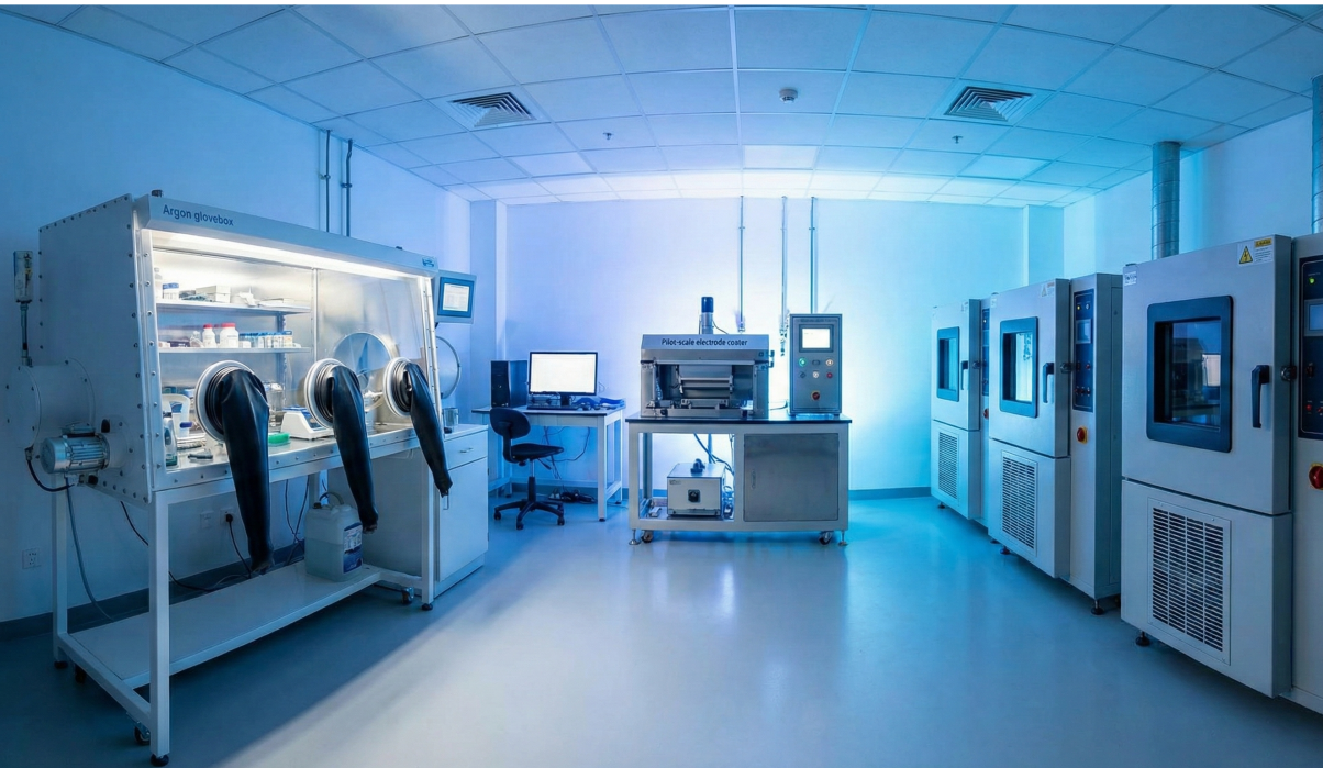
The battery industry moves fast. Missteps cost time and capital.
Whether you are developing novel cell chemistry, scaling up production, or integrating cells into a new vehicle or storage system, the risks are high. Missteps in material selection, manufacturing processes, or validation protocols cost time and capital.
We provide the deep technical expertise needed to de-risk your program. Our consulting services bridge the gap between scientific potential and commercial reality, ensuring your battery strategy is robust, safe, and scalable.
Wrong chemistry
Locked-in trade-offs that cap pack-level performance years before you ship.
Process drift
Pilot-line recipes that fail to translate to gigafactory yield.
Supplier inconsistency
Off-spec cell lots that ship as defects 12 months into production.
Six places we add the most value.
Battery programs fail in predictable places — chemistry choice, process drift, supplier inconsistency, validation gaps, pack-level integration, and field surprises. The six service areas below map one-to-one to those failure modes.

Cell R&D + design
Material evaluation, electrode design, and next-gen technology scouting.
- Anode / cathode / electrolyte / separator evaluation
- Energy-density vs. power vs. cycle-life trade-off
- Solid-state, silicon-anode, lithium-metal feasibility
- Electrode loading + porosity + coating optimisation

Manufacturing scale-up
Lab recipe to pilot line to gigafactory — without losing yield.
- Mixing / coating / calendering / winding / stacking
- DFM for high-speed electrode manufacturing
- Equipment vendor selection + on-site audit
- Process control parameters + statistical limits
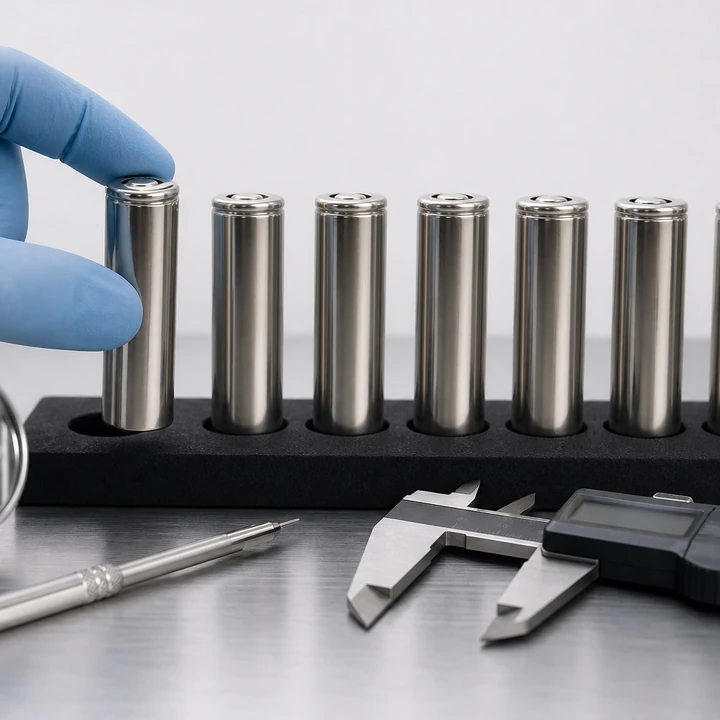
Supplier + quality
Cell-supplier audits, incoming inspection, and root-cause investigation.
- On-site technical audits in Asia / Europe / US
- Incoming inspection + end-of-line acceptance criteria
- Root-cause analysis of field returns + production defects
- Cell teardown + benchmarking + reverse engineering
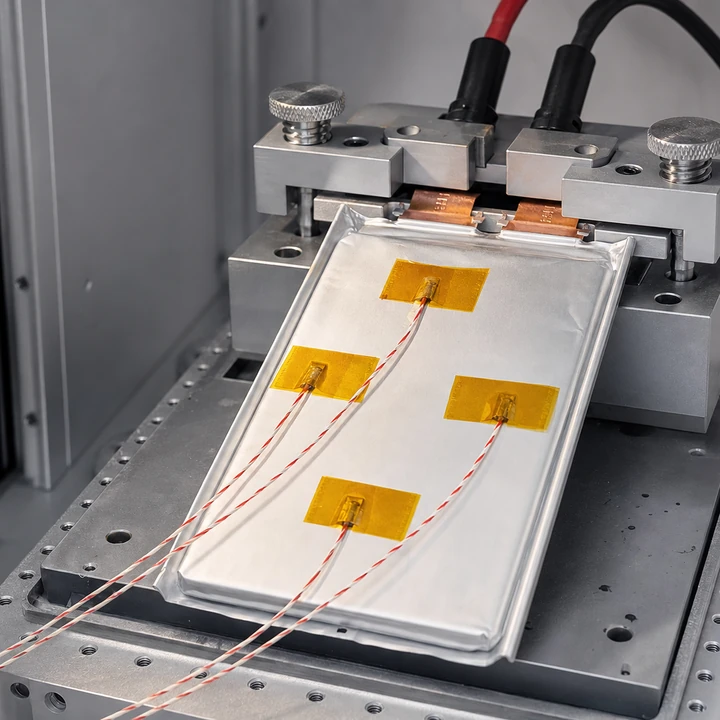
Validation + abuse testing
Performance characterisation, cycle life, and safety / abuse program design.
- HPPC, OCV / SOC mapping, power-capability tests
- Fast-charge protocol development (plating-safe)
- Long-term cycle + calendar life at multiple T / SOC
- Abuse: nail penetration, overcharge, thermal-runaway, crush
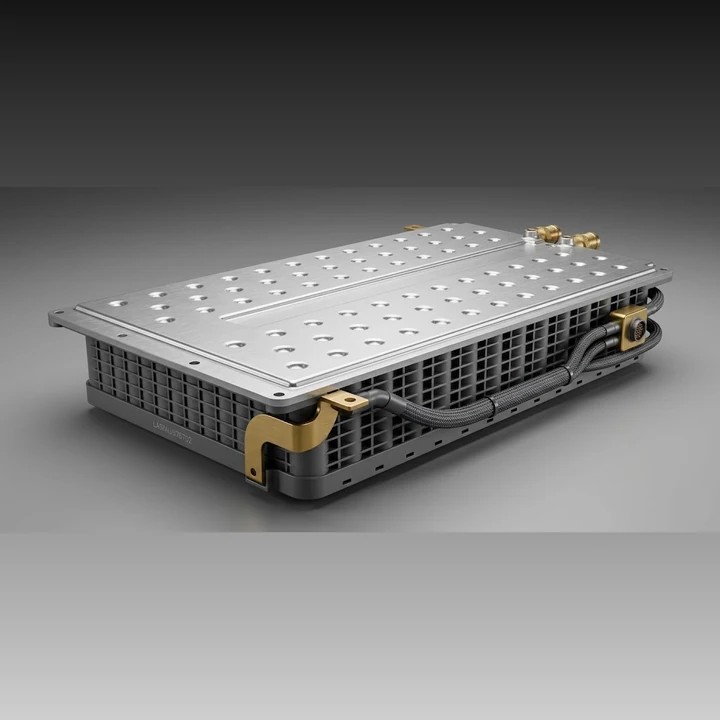
Pack + thermal integration
Cell-to-module-to-pack mechanical, electrical, and thermal design.
- Cooling: cold-plate, gap-pad, immersion architectures
- CCA + interconnect: wire-bond vs. laser-weld vs. ultrasonic
- Pack mechanics: swelling force, vibration, shock, crash
- Manufacturability for module + pack assembly
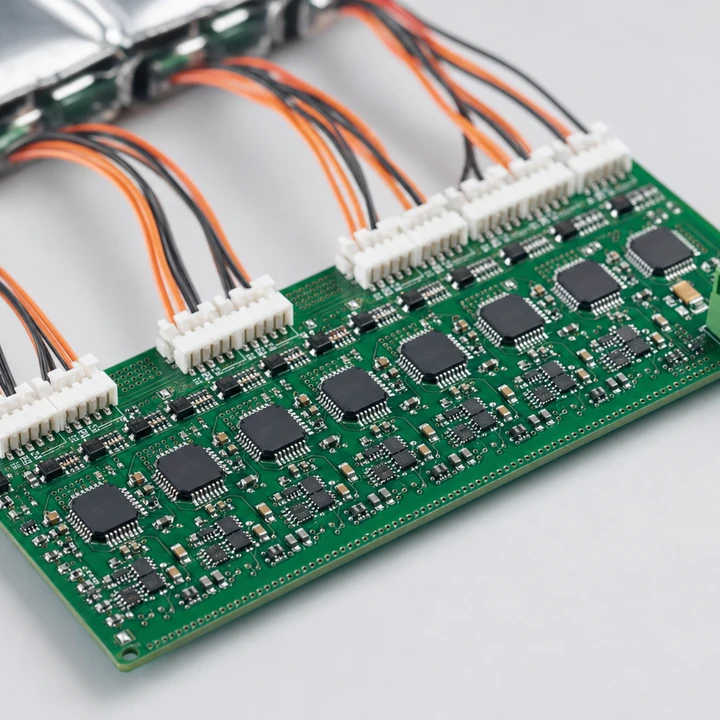
BMS + safety algorithms
SOC + SOH estimation, fast-charge control, and propagation prevention.
- Coulomb-counting + Kalman SOC estimation
- SOH: capacity-fade + impedance-rise tracking
- Fast-charge constraints — voltage, T, plating risk
- Thermal-runaway propagation models + vent design
A closer look at the work.
The 6-up grid above is the index. The four spreads below are the deep cuts — what we actually do inside each service area, on real programs.
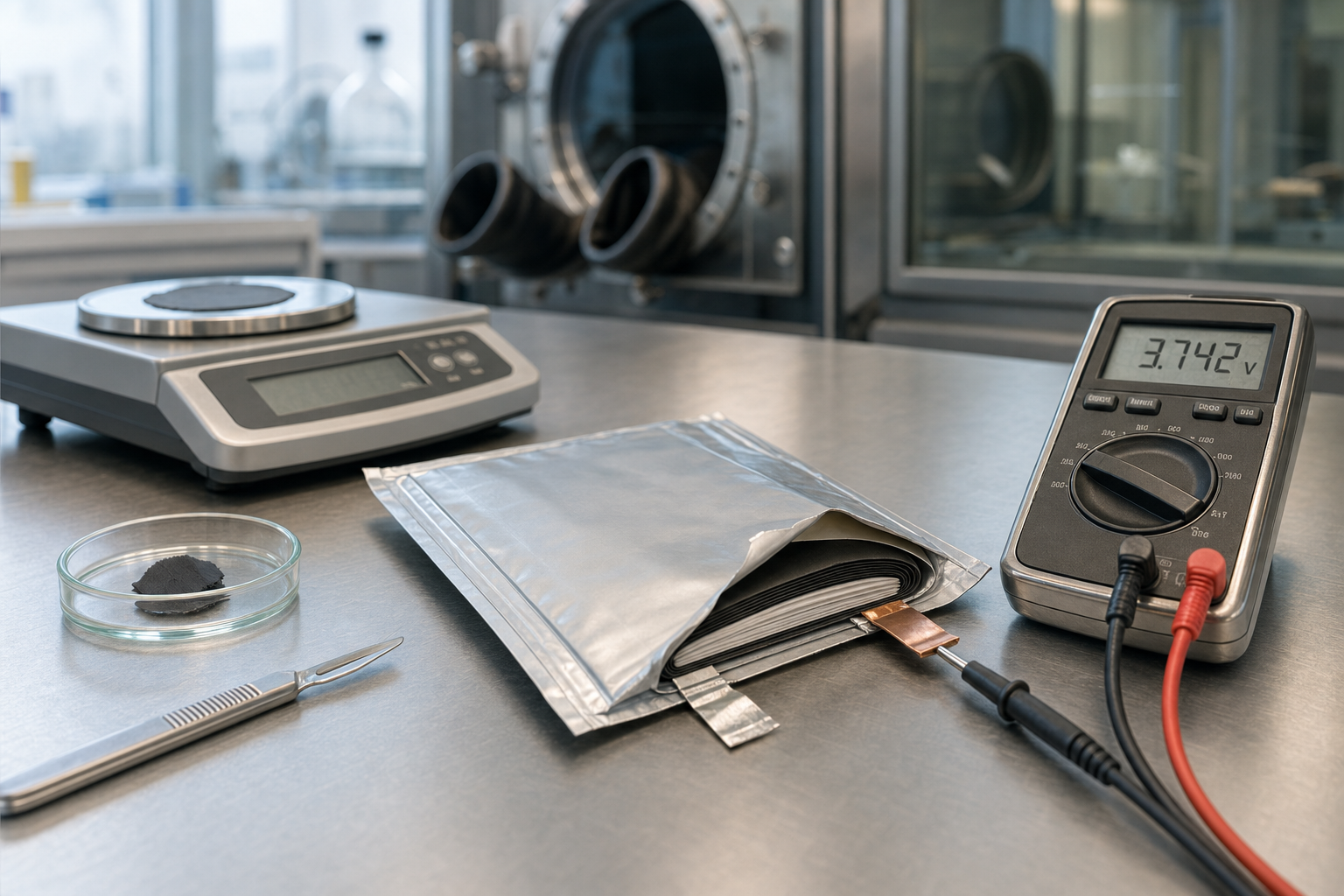
Advanced R&D and cell design.
We accelerate the front-end of innovation, helping you evaluate new materials and optimize cell architectures for your specific application requirements.
- Material evaluation. Independent assessment of anode / cathode materials, electrolytes, and separators.
- Cell chemistry optimisation. Balancing energy density, power capability, and cycle life targets.
- Next-gen tech scouting. Assessing feasibility of solid-state, lithium-metal, and silicon-anode technologies.
- Electrode design. Optimisation of loading, porosity, and coating parameters for target performance.

Manufacturing & process engineering.
Moving from the lab to the pilot line, and eventually to gigafactory scale, requires distinct expertise. We ensure your processes are repeatable and scalable.
- Pilot line development. Designing and setting up initial prototyping facilities.
- Process scale-up. Transitioning lab-scale recipes to high-speed manufacturing (mixing, coating, calendering, winding / stacking).
- DFM for manufacturing. Ensuring cell designs can be produced economically at scale.
- Equipment selection. Vendor auditing and selection for critical production machinery.
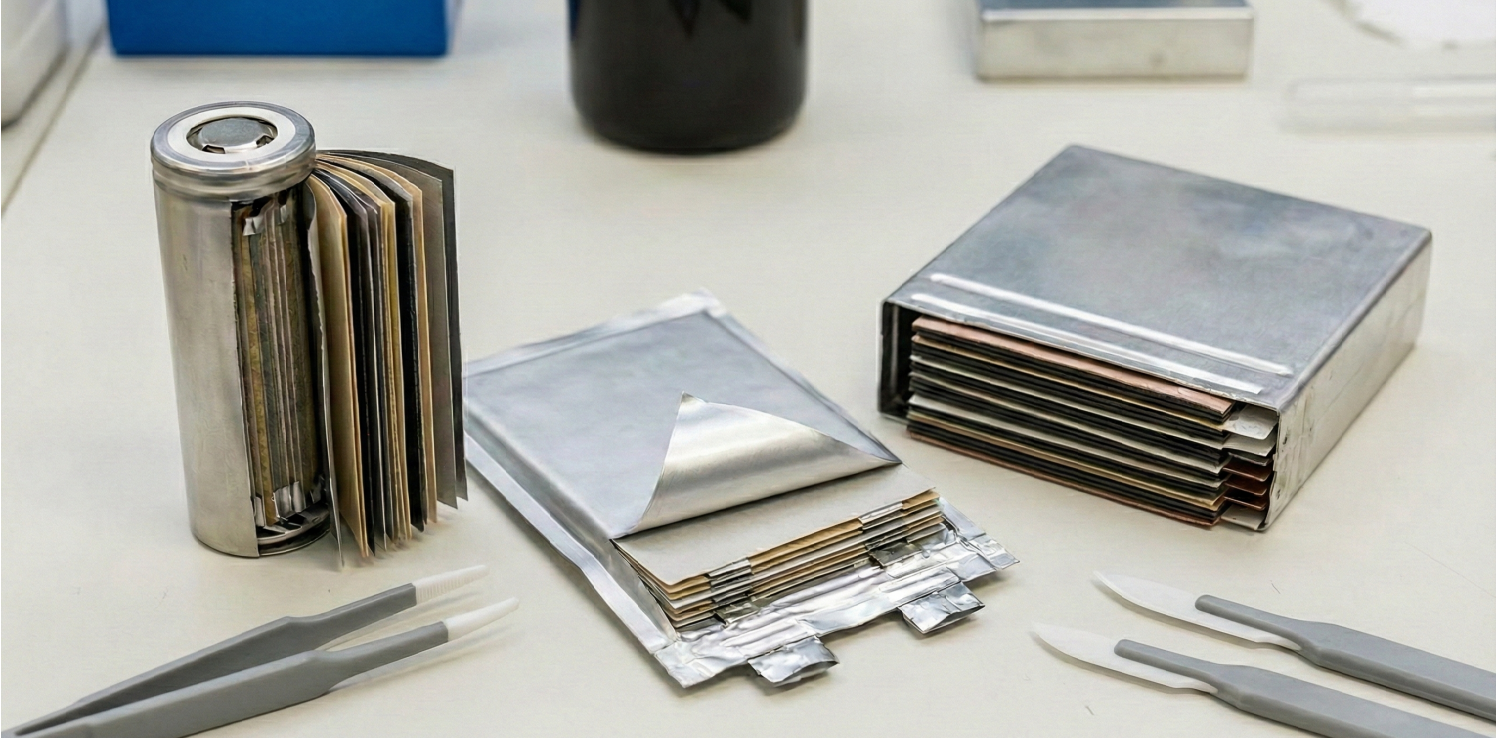
Cell quality & supplier management.
Ensuring consistency from your cell supplier is paramount to system safety and performance. We act as your technical eyes and ears.
- Supplier auditing. Technical on-site audits of giga-scale suppliers in Asia, Europe, and the US.
- QC protocols. Establishing incoming inspection criteria and end-of-line testing parameters.
- Root-cause analysis. Deep-dive investigation into production defects and field failures.
- Cell teardowns & benchmarking. Competitor analysis and reverse engineering of commercial cells.
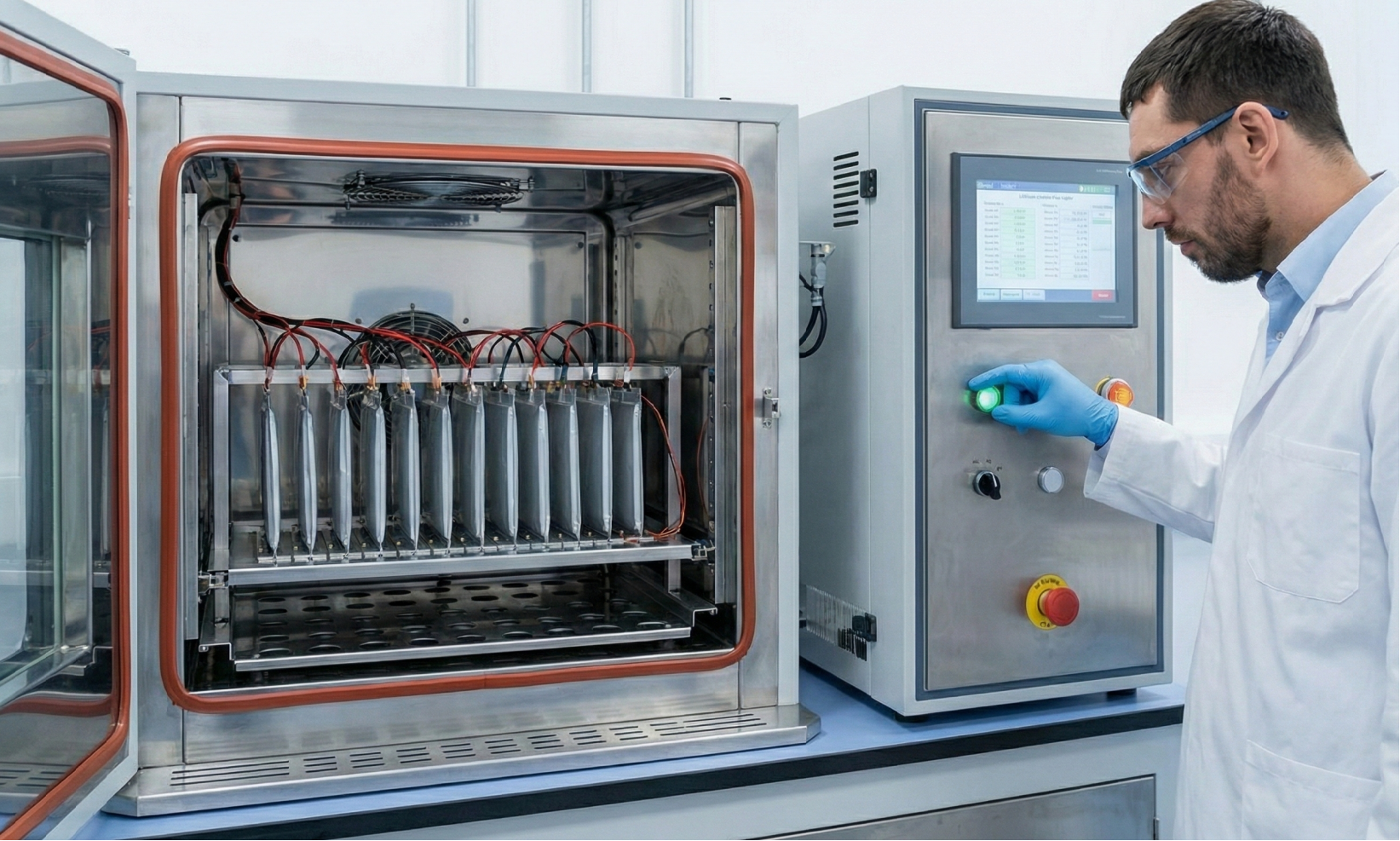
Cell qualification & validation testing.
You cannot rely solely on datasheet numbers. We design and manage rigorous testing programs to prove safety and performance under real-world conditions.
- Performance characterisation. HPPC (Hybrid Pulse Power Characterization), OCV / SOC mapping, power-capability testing.
- Fast-charge protocols. Optimising charging profiles to minimise plating risk while maximising speed.
- Reliability & cycling. Long-term cycle life and calendar testing under varying temperatures and C-rates against state-of-the-art reliability suites for warranty validation.
- Abuse testing management. Overseeing critical safety tests including nail penetration, overcharge, thermal-propagation, external short, and crush (UN 38.3, SAE, IEC standards).
What an engagement looks like.
Engagement size
40 hours → 5,000 hoursFrom a single-axis technical audit to a full multi-quarter embedded program. Most engagements: 200–800 hours.
Team size
1 → 8 engineersA single principal for audits and reviews; a multi-discipline team for scale-up and integration programs.
Discovery → kickoff
1 → 3 weeksDiscovery call within 48 hours, scoping memo within a week, contract + kickoff within three.
Confidentiality
NDA before disclosureMutual NDA is standard on first contact. ITAR / EAR-controlled programs handled with proper export licensing.
Industries served
EV · stationary · marine · aerospacePassenger EV, commercial EV (trucks / buses), stationary BESS, marine propulsion, eVTOL / aerospace certification programs.
Geographies
Global — US / EU / AsiaOn-site time at your facility or your cell supplier. We travel; you pay travel at cost.
Engagement formats
Audit · Embedded · Retainer · ProjectSee the engagement-model selector below. Hybrid formats supported when programs evolve mid-engagement.
Deliverable cadence
Weekly written + monthly executiveWeekly status memo, monthly executive readout, full final-report kit with raw data + reproducible analysis.
From chemistry trade study to fielded fleet.
Battery programs unfold in four phases — and the cost of fixing a mistake grows by ~10× at each transition. The deliverables below are what we ship at the end of each phase to harden the hand-off.
R&D + cell design
3 → 12 monthsRisk · Wrong chemistry choice. Locked-in trade-offs that cap pack-level performance.
Deliverables
- Chemistry trade study + ranked candidates
- Electrode design specification + baseline
- IP landscape + freedom-to-operate review
- Build plan with cost / performance gates
Pilot line + qualification
6 → 18 monthsRisk · Process drifts that ship as cell defects 12 months into production.
Deliverables
- Pilot-line equipment + process spec
- Cell qualification test plan + report
- SPC parameters with statistical limits
- Abuse / safety test report (UN 38.3, IEC 62660)
Production scale-up
6 → 24 monthsRisk · Yield collapse on ramp. Single-source bottlenecks. Off-spec material lots.
Deliverables
- Yield-improvement roadmap with action owners
- Second-source supplier qual report
- Incoming inspection criteria + traceability spec
- Production-acceptance test (PAT) protocol
Fielded fleet + warranty
OngoingRisk · Warranty surprises. Aging mis-prediction. Recall exposure.
Deliverables
- Field-data analysis + ageing models
- Warranty-reserve forecast + uncertainty bands
- Recall-decision framework if defects emerge
- Second-life / recycling pathway memo
Four common ways to work with us.
Most programs evolve through several engagement models — an audit before commit, an embedded principal during ramp, a retainer once fielded. The selector below shows where each model fits.
Relative effort
Best fit
Programs that need senior battery expertise full-time but where hiring takes too long or the role is finite (until production launch, until cell-qual close-out).
Included
- Daily program presence
- Reports up your chain of command
- Hires-grade NDA + tooling access
- Knowledge transfer to your team
Out of scope
- Direct people management of your staff
- Long-term operational ownership beyond engagement end
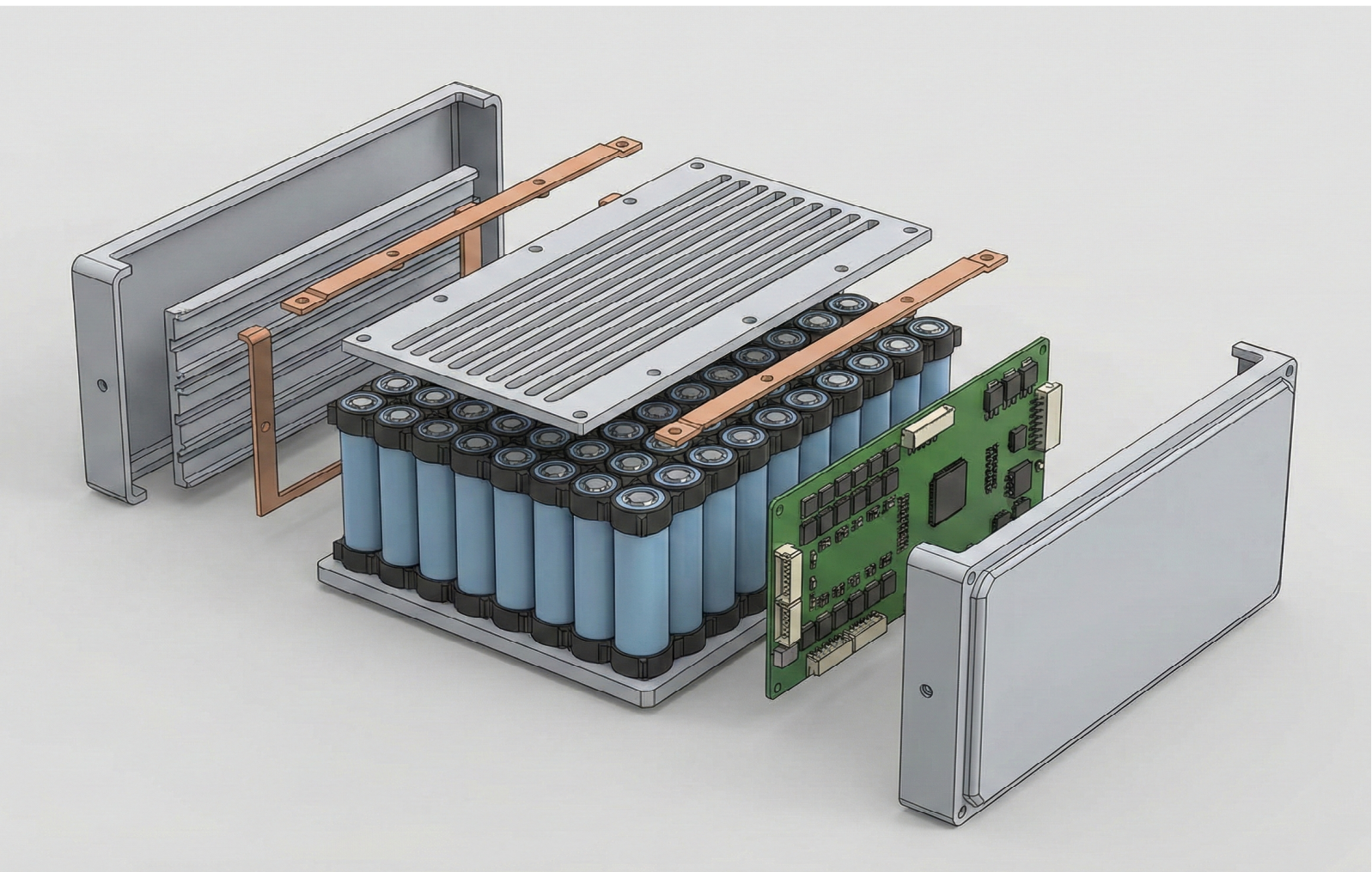
Cell-to-module and pack integration.
Cells are only half the program. Turning them into a safe, manufacturable, fast-charging pack is the other half — and the half where most launch programs lose their schedule. We cover the integration end-to-end.
- Thermal management. Liquid cooling plates, gap fillers, and immersion cooling strategies to manage fast-charge heat.
- CCA & interconnects. Selecting and validating connection methods (wire bonding, laser welding, ultrasonic) and optimising current collector assembly for uniform current balancing.
- Mechanical integration. Optimising for cell swelling force, vibration, shock, and crash performance at module and pack level.
- BMS algorithms. State-of-Charge (SOC) and State-of-Health (SOH) estimation strategies, fast-charge constraints, thermal-runaway propagation modelling.
A curated catalogue. We work on more than this.
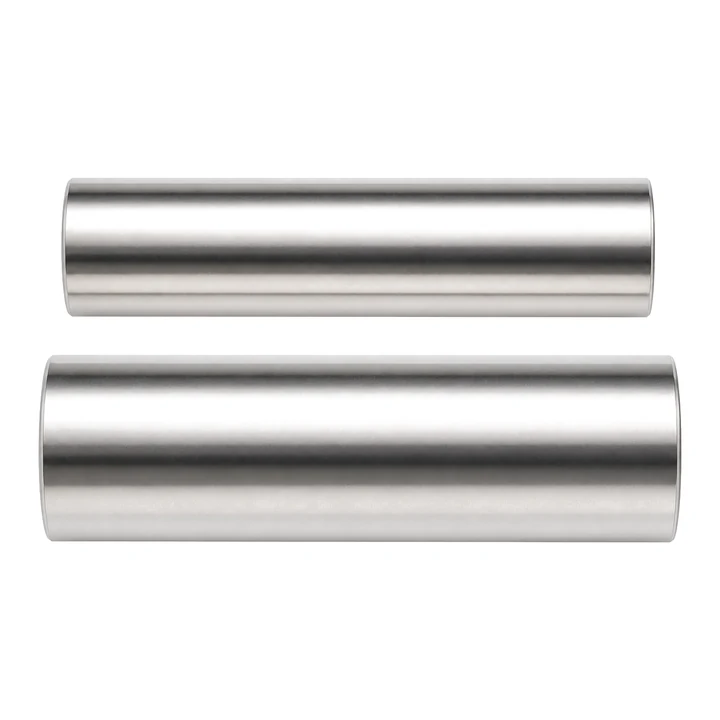
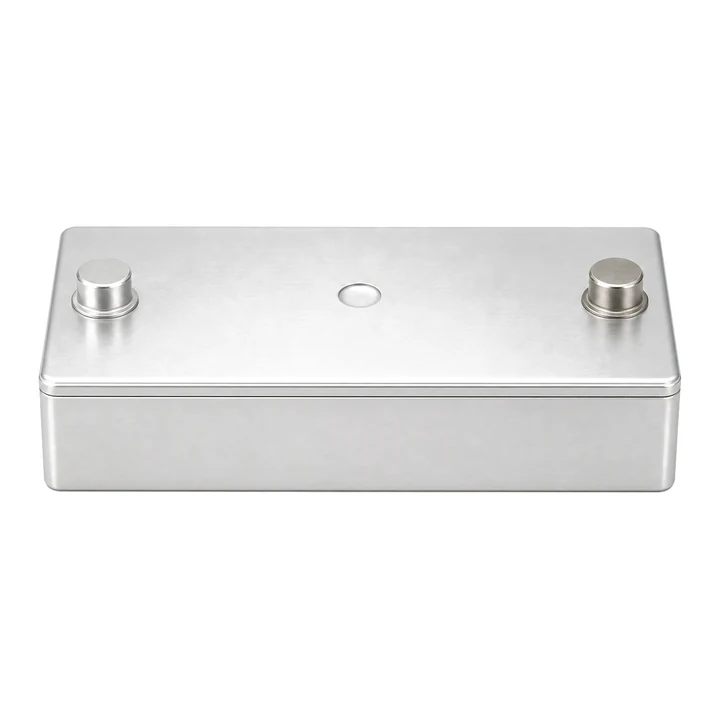
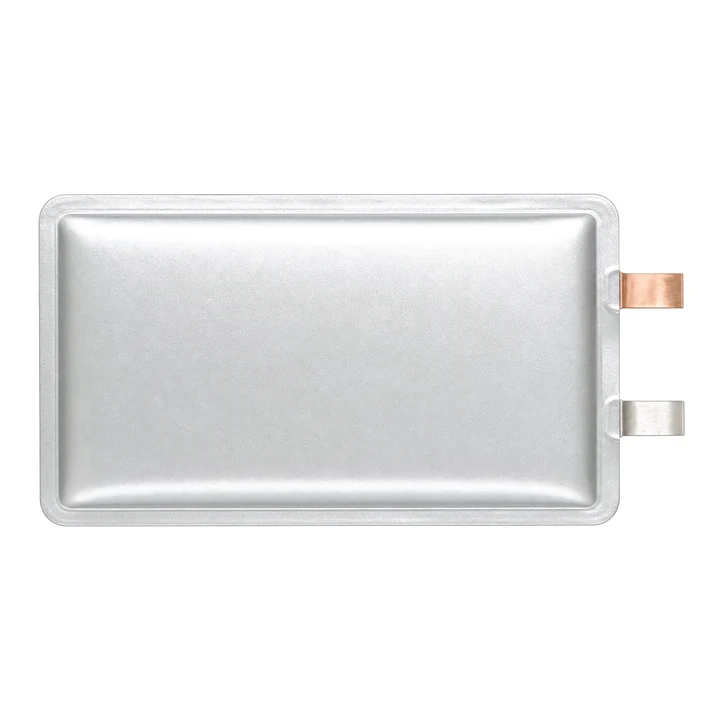
The chips below are the chemistries and cell formats we have deepest experience on. Less common chemistries (sodium-ion, fluoride-shuttle, dual-ion) are reviewed case-by-case.










What you walk away with.
Knowledge transfer is built into every engagement — not bolted on at the end. The artefacts below are what you keep when the engagement closes; the goal is your team can run with them.
From first call to final report.
Same principal who answers the discovery call leads the engagement. No account-management layer between you and the engineer doing the work.
Discovery call
30 minutes with a principal engineer. We listen, ask, and qualify whether we can help.
Scoping memo
Within a week we send a written scoping memo — objectives, deliverables, team, schedule, fee structure.
Kickoff + work
NDA + contract signed, kickoff inside 3 weeks. We work in your tools, on your cadence.
Deliverables + close
Weekly status, monthly executive readout, final-report kit. Knowledge stays with you.
What is always included
- Mutual NDA before disclosure
- Weekly written status memo
- Monthly executive readout
- Reproducible data + analysis archive
- Knowledge-transfer workshops on close
- Independent — no cell-vendor commissions
- Hybrid engagement formats as the program evolves
- Direct engineer access — email, call, or video
Answers, on the record.
Engineers wrote these. If yours is not here, emailengineering@fabdigit.com — typical reply within 4 business hours.
If you find yourself making chemistry / supplier / capex decisions worth tens of millions of dollars with a single internal expert, you probably do — even one independent review catches the costliest mistakes. The first discovery call is free; we are explicit if your program is large enough to warrant outside review and explicit if it is not.
Mutual NDA before any disclosure. ITAR / EAR-controlled programs handled with proper export licensing. We never disclose client names without written permission. Internally, engagements are firewalled — engineers do not work for competing programs simultaneously.
Senior battery engineers who have shipped cells and packs at production scale — across passenger EV, commercial EV, stationary storage, and aerospace programs. Mix of cell-development (electrochemistry, materials), manufacturing (process / equipment), and pack / BMS (electrical / thermal / safety) expertise.
No. We accept consulting fees from our clients only. Our recommendations are explicitly independent and we disclose any prior client relationships at scoping that could create a conflict.
Yes — most multi-engagement clients work under a master services agreement (MSA) with statements of work (SOWs) per engagement. Standard terms and conditions are available on request before discovery. We accept reasonable indemnification limits, IP-assignment terms, and standard data-handling requirements.
Yes — battery IP litigation, defect-investigation expert reports, and product-liability technical analysis. Engagements run under privilege when retained through outside counsel. Separate intake process; mention it on first contact and we route to the appropriate principal.
Yes — on-site embedded engagements are common, especially during pilot-line stand-up and cell-qual close-out. We bill on-site time at the same hourly rate as remote; travel is invoiced at cost with prior approval.
Discovery within 48 hours. Scoping memo within a week. NDA + contract + kickoff inside 3 weeks for most engagements. Critical-incident investigations (cell fire, recall, factory fire) — we can mobilise an investigation team inside 72 hours.
Single-axis technical audits (40–200 hours) through multi-quarter embedded programs (1,000+ hours, 2–8 engineers). Below 40 hours we usually recommend our retainer model rather than a one-off engagement; above 5,000 hours we recommend chunking into phased SOWs with go / no-go gates.
Yes — both. Start-ups get the most out of audit + retainer engagements (senior judgement without full-time cost); established OEMs lean toward embedded + fixed-scope projects. We have specific carve-outs for early-stage start-ups (capped fees, partial-equity considered case-by-case) — ask on the discovery call.
Bring us in early. Bring us in often.
A 30-minute discovery call is the lowest-cost de-risking step on your battery program. Book it.